What a Home EV Charger Installation Involves
A home Level 2 charger installation is not a weekend project. It involves running a dedicated high-amperage circuit, and in most areas that means hiring a licensed electrician and pulling a permit, not just adding an outlet.
What the electrician does
The core of the job is running a new dedicated circuit from your electrical panel to wherever the charger will sit, sized for the charger’s amperage, commonly 40-60 amps for a home Level 2 unit, though this varies by charger and household electrical capacity. The electrician checks whether your existing panel has enough spare capacity for that new circuit, and if it doesn’t, upgrading the panel becomes part of the job and the cost.
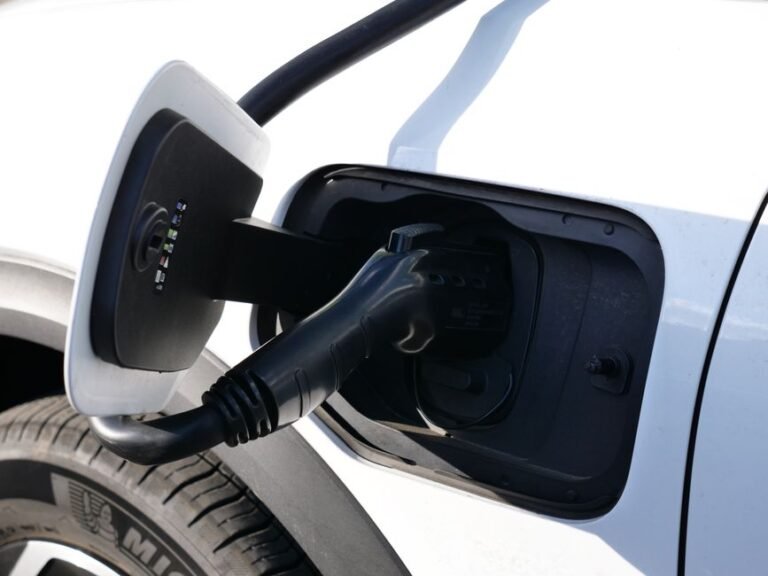
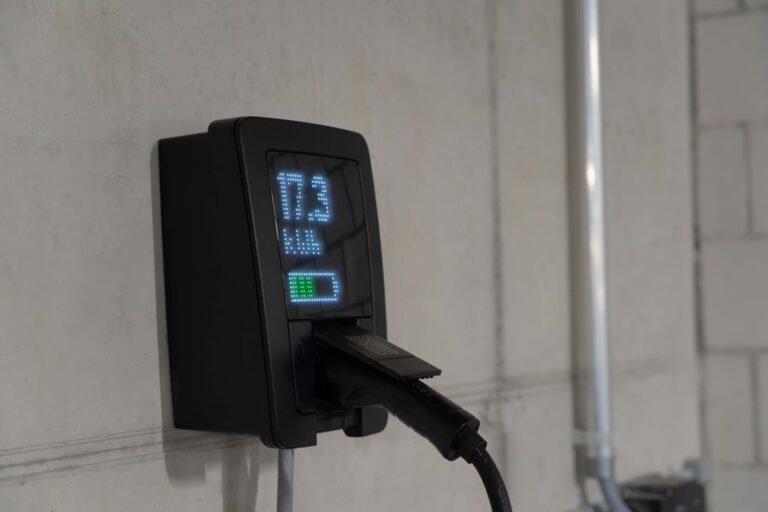
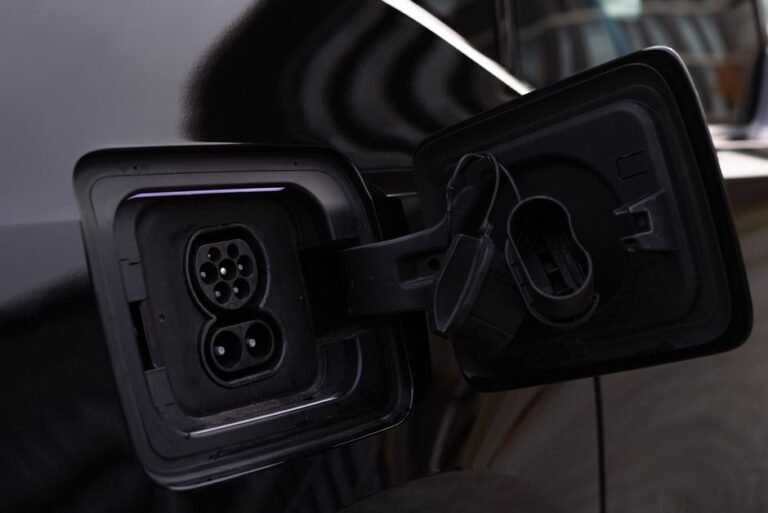
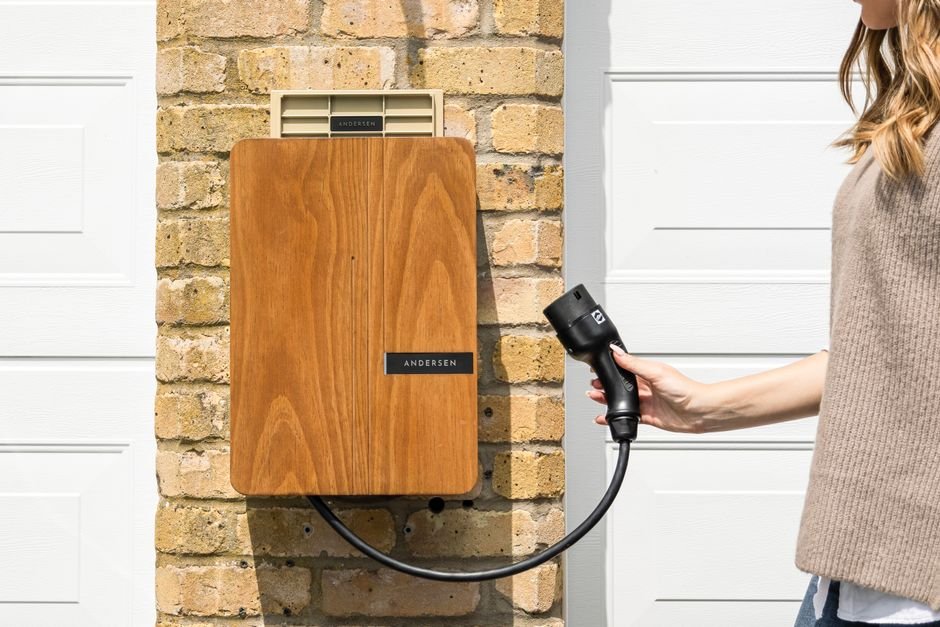
Depending on the charger you choose, the final connection is either a dedicated outlet, such as a NEMA 14-50, that a plug-in charger connects to, or a hardwired connection straight into the unit. Hardwired setups tend to hold up better outdoors and skip the outlet as a point of failure, but they’re more involved to move later if you switch chargers.
Why the permit isn’t optional
A new high-amperage circuit is exactly the kind of electrical work that building codes require a permit and inspection for, and for good reason: a poorly sized circuit or bad connection at this amperage is a fire risk, not just an inconvenience. Skipping the permit can also cause problems later, from insurance disputes after an electrical issue to complications at resale when a buyer’s inspector finds unpermitted work.
This isn’t a job to attempt yourself even if you’re comfortable with basic electrical work. Sizing the circuit correctly, tying safely into the panel, and meeting local code all require licensing for a reason, and the amperage involved is enough to cause serious injury if done wrong.
What to ask before you hire someone
- Do they pull the permit themselves, or leave that to you?
- Will they assess panel capacity before quoting, or after starting the work?
- Is the quote for a plug-in outlet or a hardwired connection, and does that match the charger you’re planning to buy?
- What’s the estimated cost if a panel upgrade turns out to be necessary?
Installation costs vary widely by region, panel condition, and how far the charger sits from the panel, so get a specific quote rather than relying on a national average. As of September 2026, some utilities also offer rebates for installing a home charger or for charging during off-peak hours; check with your utility directly, since these programs and their terms change and are easy to find outdated information about online. The Department of Energy’s home charging guide covers circuit sizing and charger types in more detail.
If you’re still deciding whether you need Level 2 at all, the Level 1 vs Level 2 comparison is worth reading first, and common first-year EV mistakes covers what happens when people skip this step and rely on a wall outlet instead.
Get the panel capacity checked before you buy the charger, not after. It changes which unit makes sense.