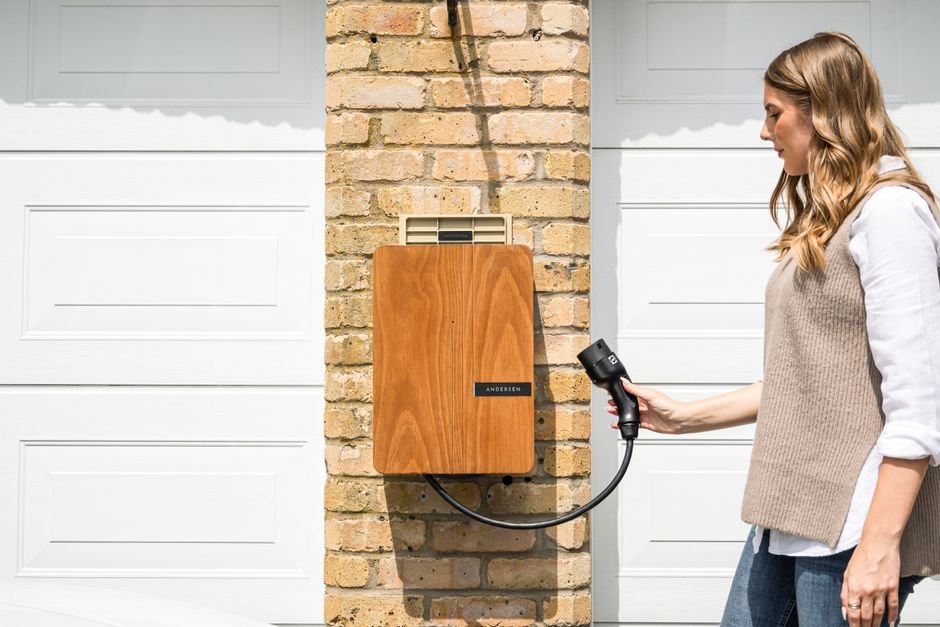
Level 1 vs Level 2 Home Charging: Which One Do You Need
If your commute is short, a standard wall outlet might be all the charging you ever need. Level 1 charging uses a regular household outlet and adds roughly 3-5 miles of range per hour; Level 2 uses a 240-volt circuit and typically adds somewhere in the range of 20-40 miles per hour, depending on the vehicle and the charger’s output. Which one you need comes down to your daily mileage, not what the dealership tries to upsell you.
When each one makes sense
If your daily round-trip is well under what an overnight Level 1 charge can replace, a standard outlet covers you without any installation at all. Longer commutes, multiple drivers sharing one car, or wanting to top up quickly before an unplanned trip are the situations where Level 2 earns its cost — it also matters if you’re driving a plug-in hybrid with a smaller battery you want fully topped up overnight. Some households land on a hybrid approach: Level 1 covers most weekdays, and a nearby public Level 2 or DC fast charger handles the occasional day that runs long. That combination often costs less over a few years than paying for a home installation you’d only lean on a handful of times a month. For more on how charging habits affect the pack itself, see our piece on what degrades an EV battery over time, and for what a degradation number represents once you own the car, our explainer on what battery degradation measures covers that.
What a Level 2 install actually involves
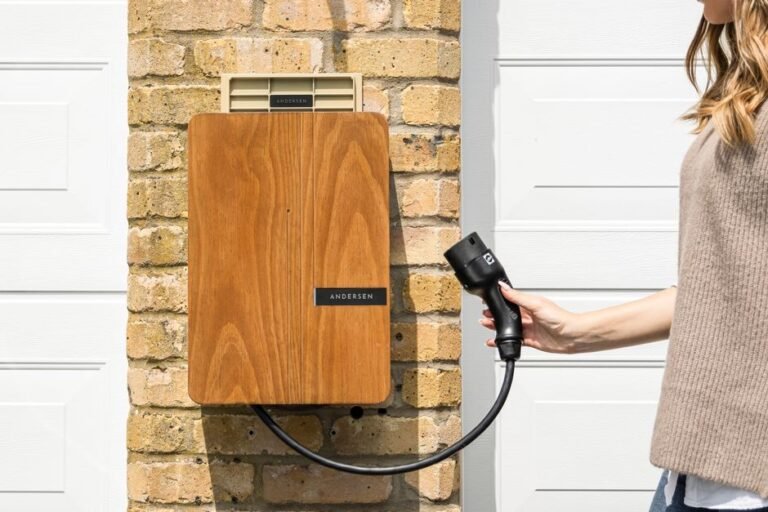
Running a dedicated 240-volt circuit is an electrical job, not a weekend project. An electrician typically assesses your panel’s available capacity, runs new wiring to the charging location, and installs a dedicated circuit and outlet or hardwired unit — and in most areas that means a permit and inspection, both because of the amperage involved and because it touches your home’s main panel. Panel capacity is the detail that trips up the most installs — an older home’s panel may not have room for a new 40- or 50-amp circuit without an upgrade, which is exactly the kind of assessment an electrician needs to make before quoting a price. This isn’t optional or DIY-friendly, whatever a video online might suggest.
| Level 1 | Level 2 | |
|---|---|---|
| Outlet | Standard household | 240-volt dedicated circuit |
| Typical added range per hour | 3-5 miles | 20-40 miles, varies by vehicle |
| Install needed | None | Licensed electrician, usually a permit |
For charger specifications and installation guidance, see the Department of Energy’s Alternative Fuels Data Center.
Before you call an electrician, track your real daily mileage for a couple of weeks. A lot of Level 2 installs get bought for a road-trip scenario that a public fast charger down the street would have handled just as well.