How EV Charging and Home Solar Work Together
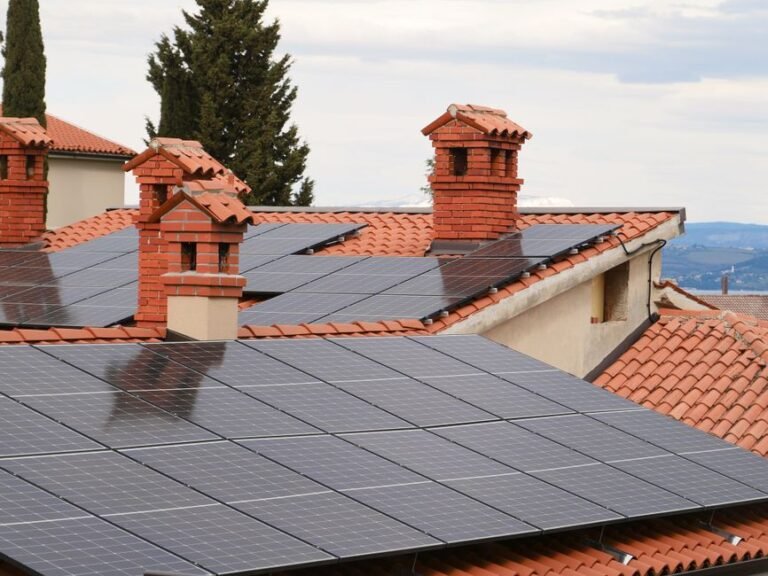
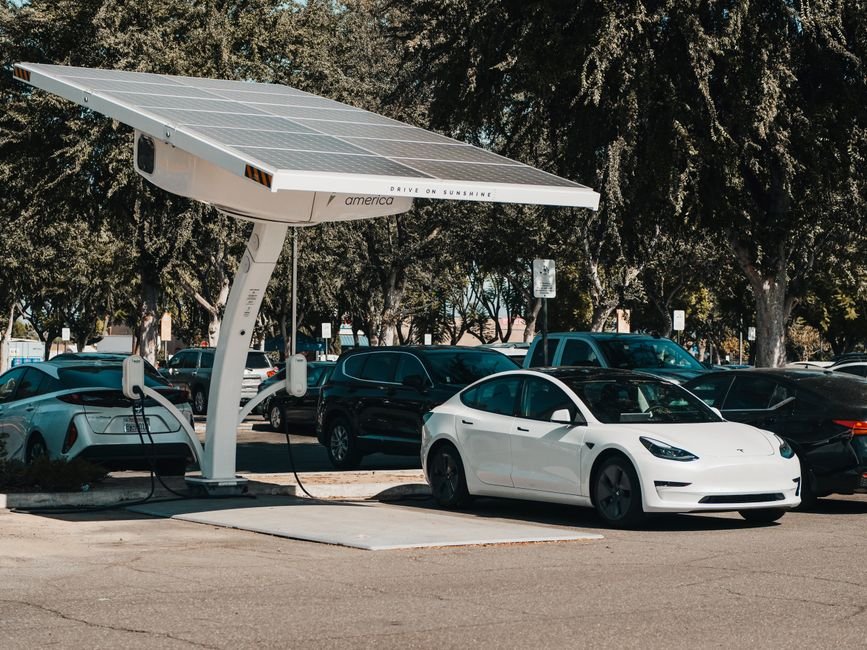
EV charging and home solar work together most cleanly when the car charges during the hours the panels are producing, not after dark. Plug in at noon and the car pulls straight from panel output; plug in at 9 p.m. and it pulls from the grid, running on a credit your system earned earlier in the day. Whether that trade still saves you money depends on how your utility values that credit, not just on owning both a solar system and an EV.
How EV charging and home solar line up during the day
Charge while the sun is out and your car draws straight from panel output, no utility involved. Most commuters aren’t home to do that on a workday, so most charging happens overnight instead, drawing grid power that daytime export credited earlier. That only saves money if the export credit is close to what you’d pay to import power at night — worth checking before assuming solar makes overnight charging free. See how solar payback is calculated for how that credit factors in.
Time-of-use rates change the calculation
Many utility EV rate plans charge less overnight and more during peak evening hours, specifically to encourage charging when the grid is least stressed. Where one of these plans is available, comparing the off-peak import rate to your solar export credit — rather than to your flat retail rate — is the comparison that determines whether daytime solar charging or off-peak overnight charging works out cheaper for your situation.
An EV changes how much solar you need
A daily commute of around 30 miles typically adds somewhere in the range of 8 to 12 kWh of consumption per day, depending on the vehicle and driving conditions — enough to shift how many panels a system needs if it’s meant to offset the house and the car both. Homeowners who add an EV after installing solar often find the existing system no longer covers annual usage, and either export less credit than before or need to expand the array to keep pace.
A charger that talks to your solar system helps, but isn’t required
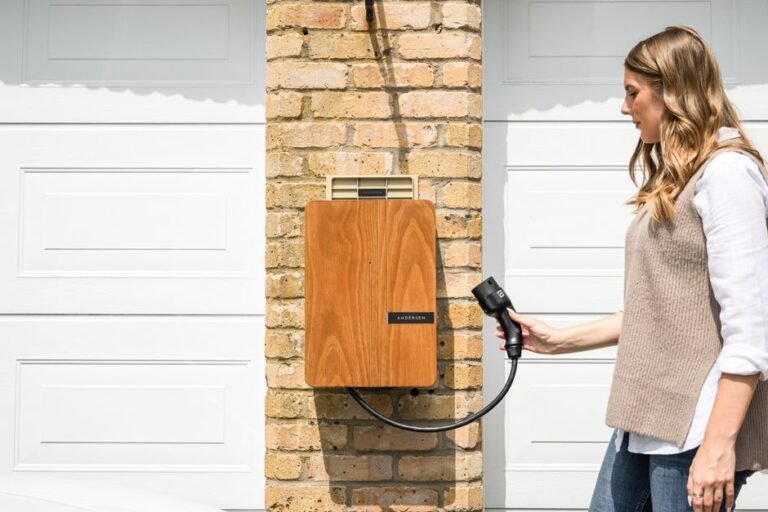
Smart EV chargers that integrate with a home energy monitor can ramp charging up or down to track live solar output, charging faster when the sun is strong and pausing when a cloud passes. That’s a real convenience for someone who wants to maximize self-consumption without watching a dashboard, but it adds cost on top of the charger itself, and a car set to charge overnight on a simple timer gets close to the same financial outcome without it. What a home EV charger installation involves is worth reading regardless of which route you take.
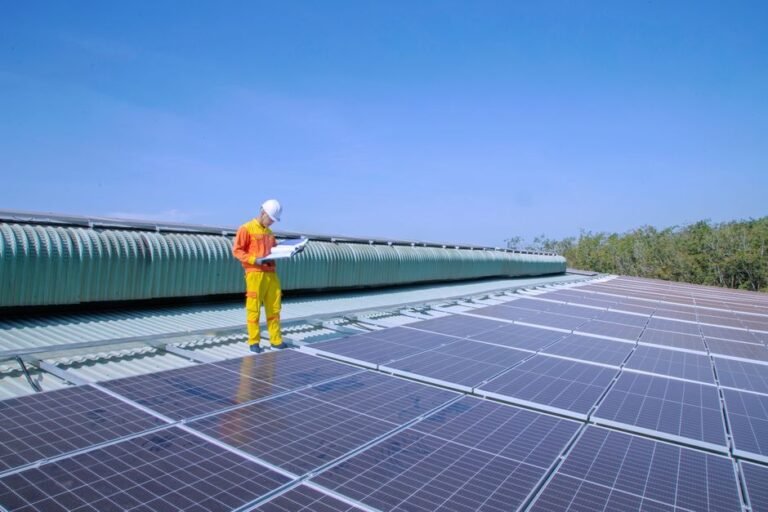
The Department of Energy’s home charging equipment guide is a reasonable starting point for the charger side of this before bringing in a solar installer for the panel side. Price both pieces separately, and don’t let a single combined quote hide which part is actually driving the cost. A contractor who bundles them into one number without breaking out the charger, the panel expansion, and any electrical work makes it harder to tell which piece is worth negotiating.