Solar Panel Degradation Rate: What 25 Years of Wear Looks Like
Solar panels lose a small amount of output every year, and a 25-year warranty sets a floor on that loss rather than promising none.

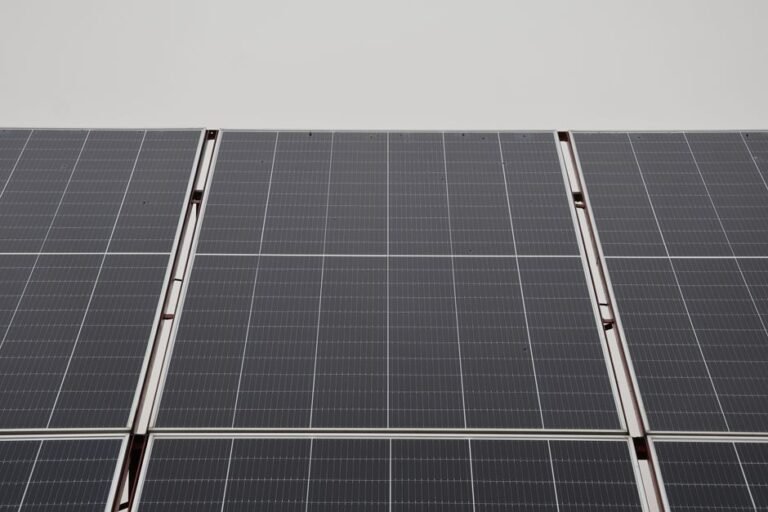
Solar panels lose a small amount of output every year, and a 25-year warranty sets a floor on that loss rather than promising none.
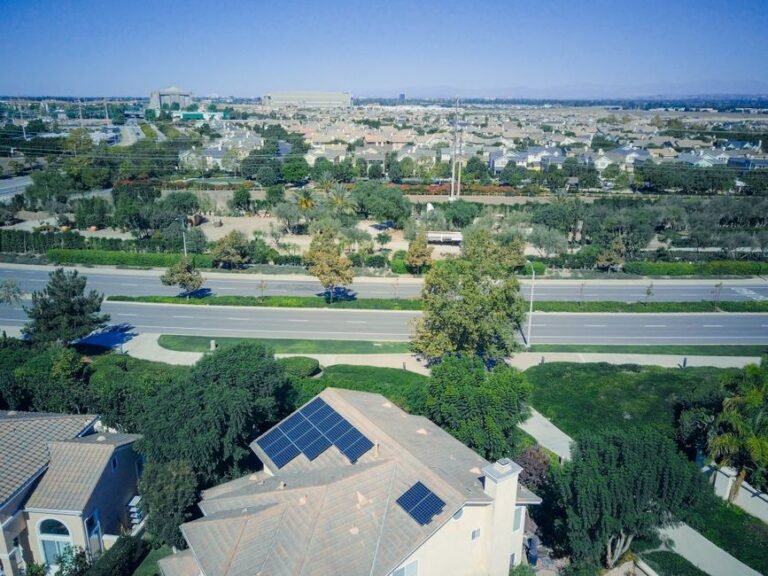
South-facing panels produce the most energy in the Northern Hemisphere, but east and west roofs often come closer than people expect and can suit some rate plans better.
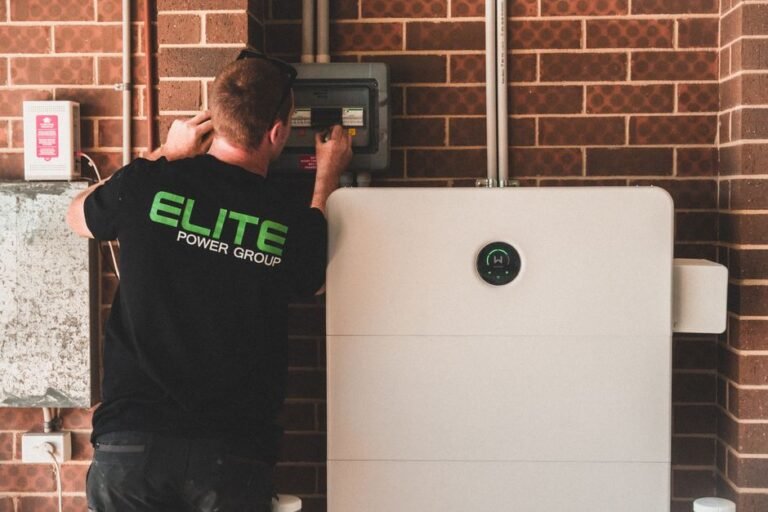
Solar panels make direct current and your home runs on alternating current, so the inverter does the conversion and quietly decides a lot about your system.
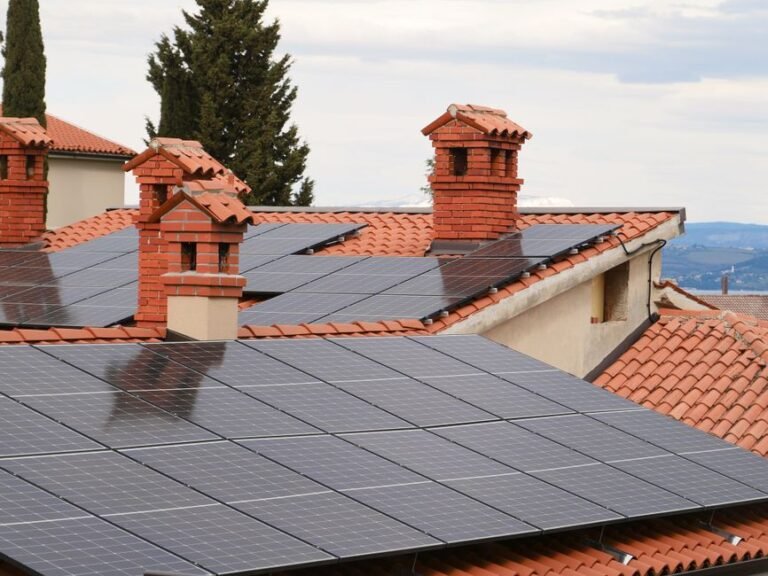
Efficiency tells you how much power a panel squeezes from each square foot, which matters less than most quotes suggest unless roof space is tight.
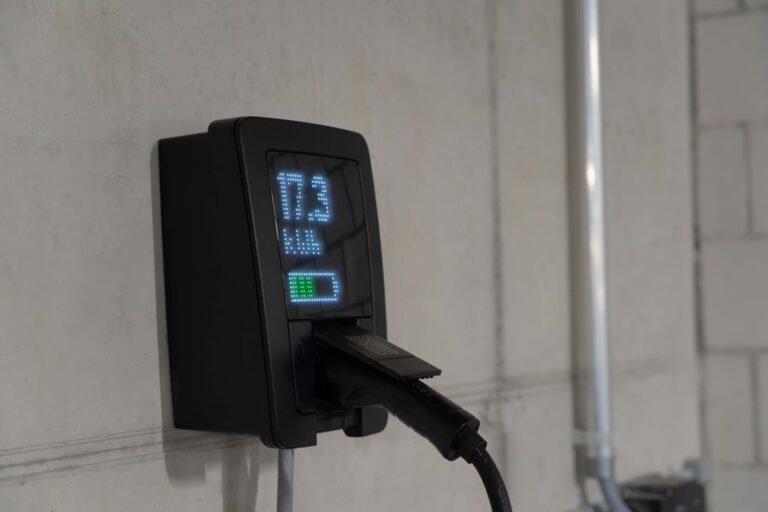
The peak kW figure on a spec sheet describes a moment, not a session, and the shape of the curve decides how long you actually wait.
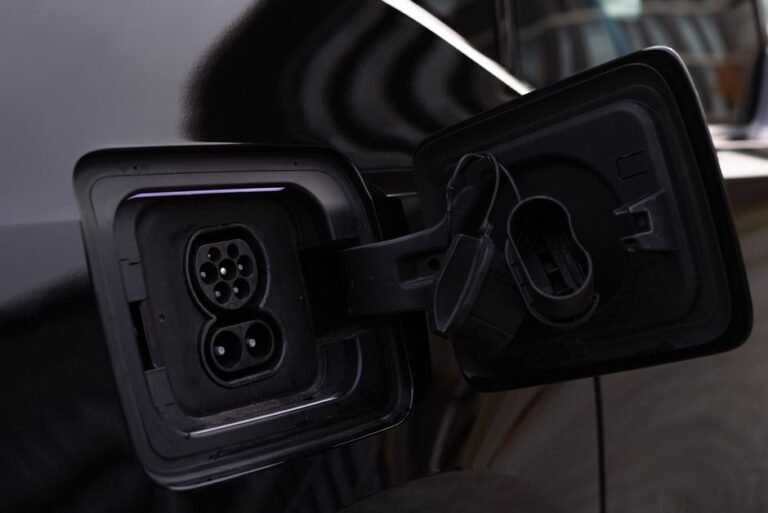
Heat marks, bent pins, damaged seals and a sticky latch are the warning signs to look for on a used EV’s charging port, followed by a real charging test.
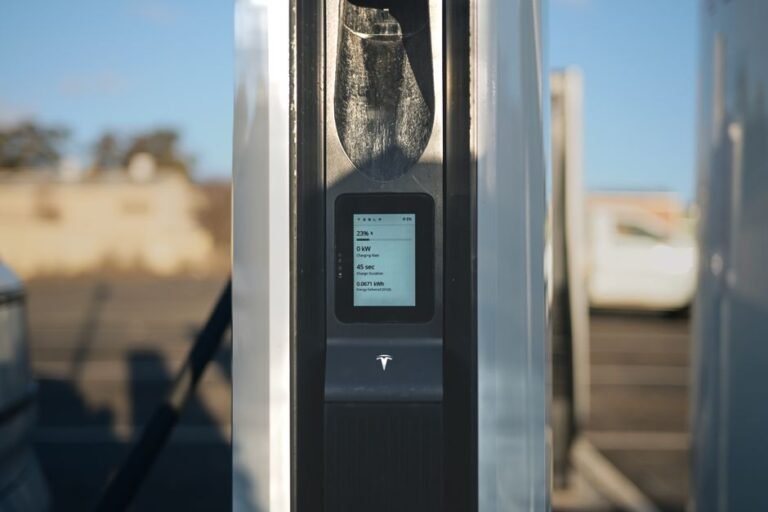
A charging network membership only pays off if you buy enough energy on that one network each month for the per-kWh discount to cover the fee.
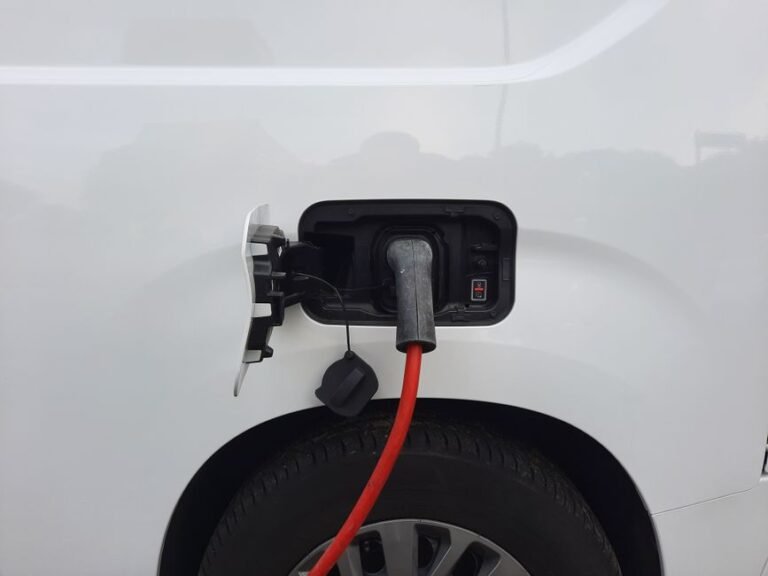
MPGe compares an EV with a gas car, but kWh per 100 miles is the window sticker figure that converts directly into what driving will cost you.

EVs skip oil changes and wear brakes more slowly, but tires, the 12-volt battery and specialist labor can narrow the maintenance gap with gas cars.
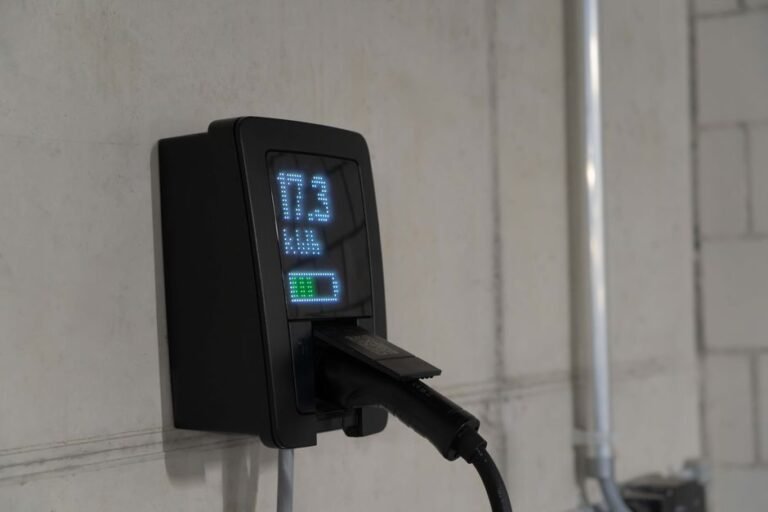
Charging losses, utility fees, time-of-use windows and public charging all push a real EV charging bill above the simple per-kWh estimate.
End of content
End of content