EV Depreciation vs Gas Cars: Why Resale Values Behave Differently
Many EVs have lost value faster than comparable gas cars, largely because new models improve quickly and new-car prices and incentives keep shifting.

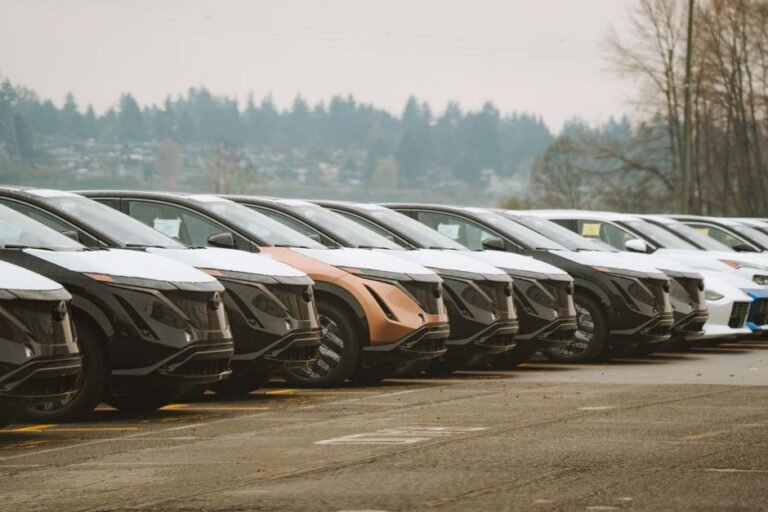
Many EVs have lost value faster than comparable gas cars, largely because new models improve quickly and new-car prices and incentives keep shifting.
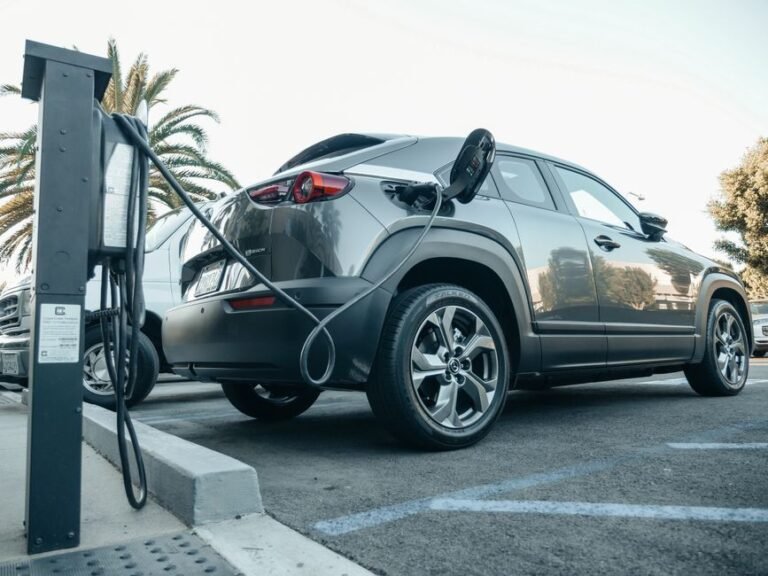
A plug-in hybrid only pays off if you charge it regularly and most of your trips fit inside its electric range; otherwise a regular hybrid is usually the simpler choice.
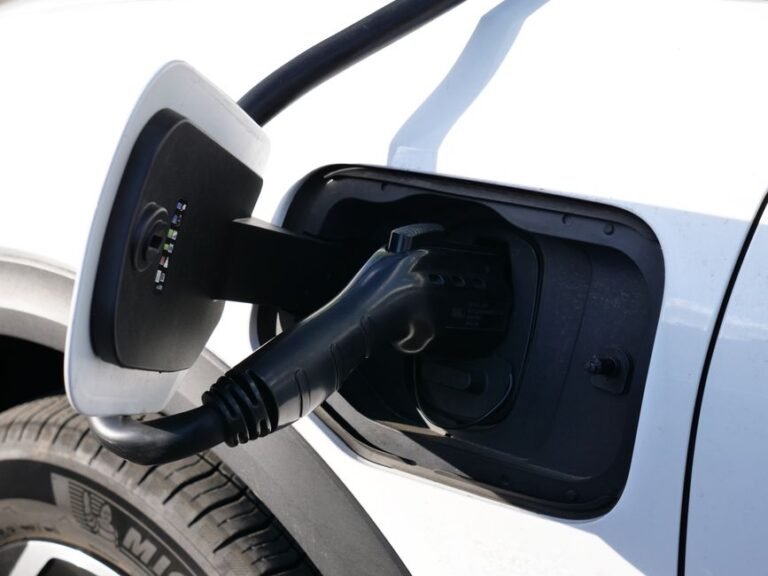
Charging time comes down to the slower of the charger and the car, how full the battery already is, and the temperature of the pack.
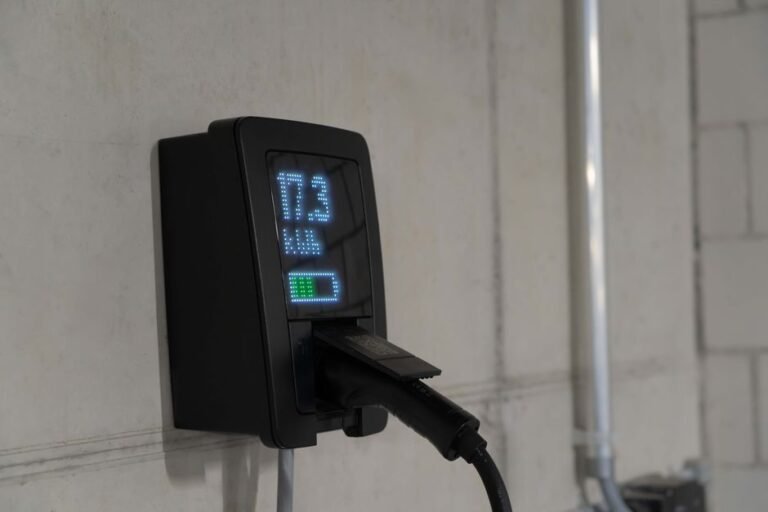
Setting a fast charger as your destination lets many EVs warm the battery on the way, which can shorten the stop, especially in cold weather.
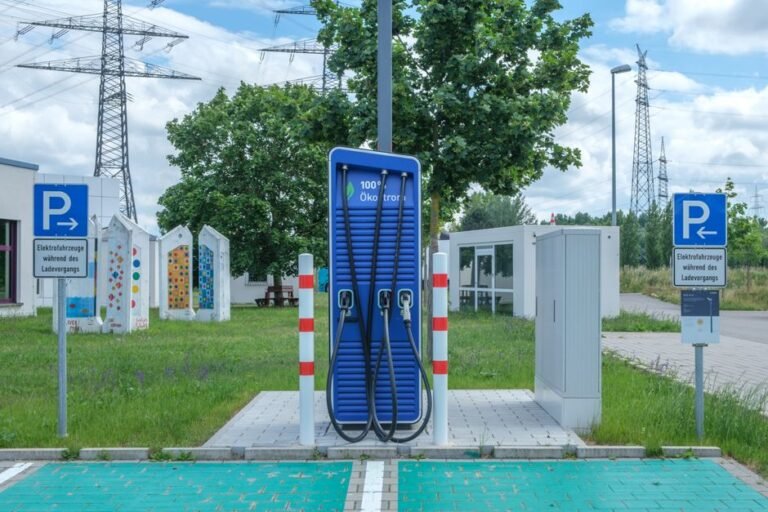
Most arguments at public chargers come from a handful of avoidable habits, from idling after a full charge to fast-charging to 100% with a queue behind you.

An EV’s tow rating comes from its chassis, brakes and cooling, and towing can cut range far more than most owners expect.
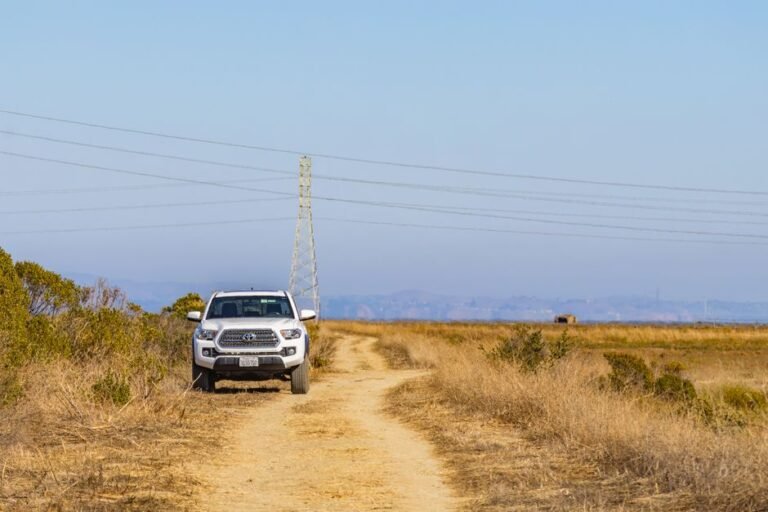
Driving an EV where fast chargers do not exist means planning around slow outlets, honest range numbers and a firm turnaround rule.
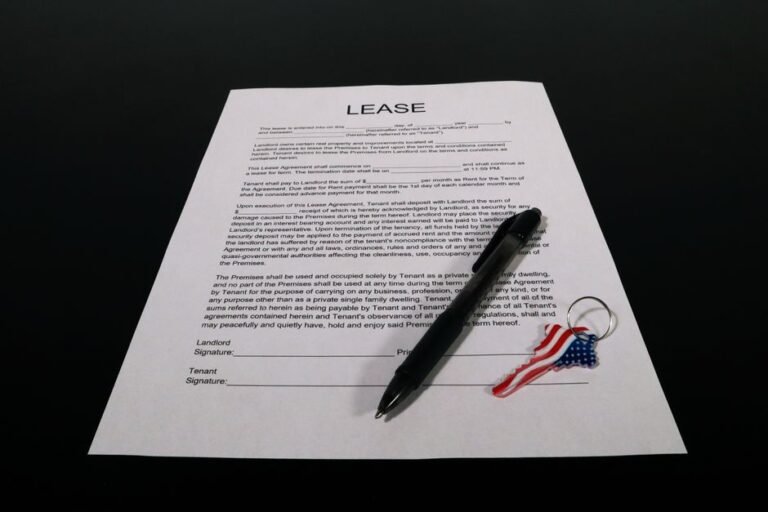
Most factory EV warranty coverage follows the car to its next owner, but some extensions, service contracts and software features do not.
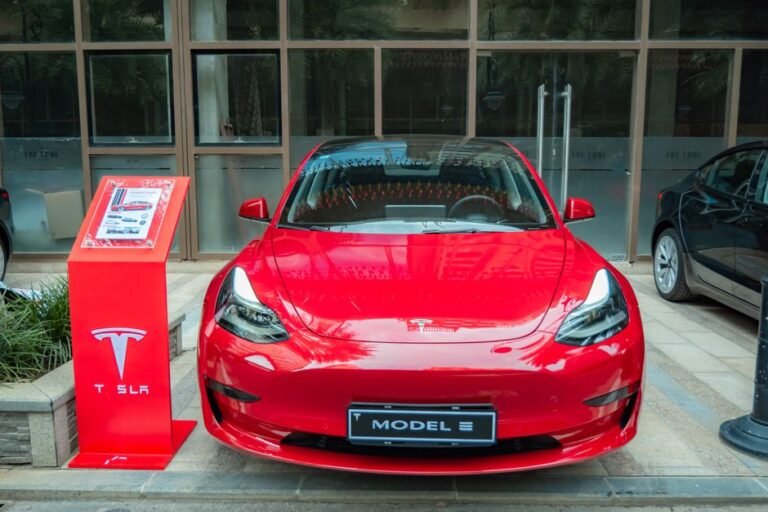
Battery leasing lowers an EV’s upfront price by renting you the pack, but the monthly fee continues for as long as you own the car.
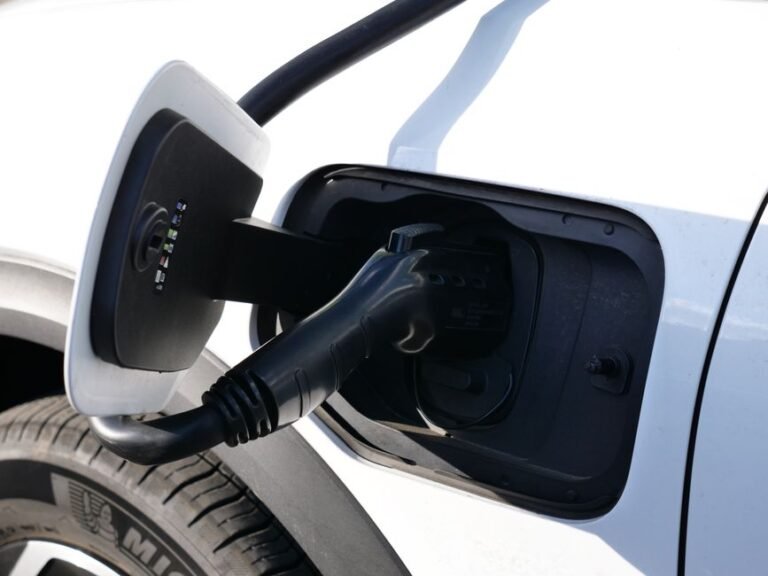
Whether a fast charger works for your EV now depends on its port, the station’s access rules and the adapters your automaker approves.
End of content
End of content