Used EV Charging Port Condition: What to Check Before You Buy
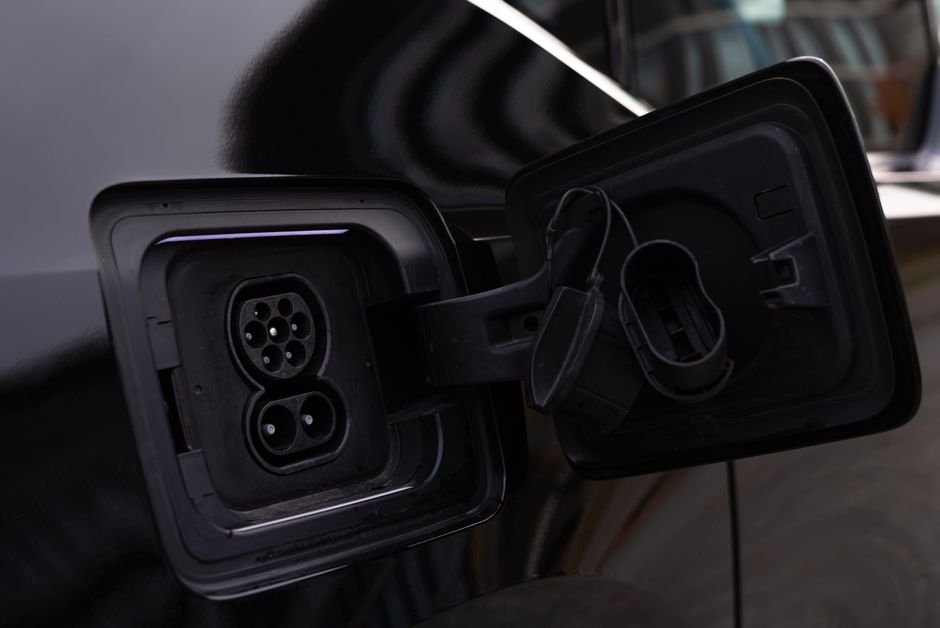
Most of a used EV’s charging port condition can be judged by eye in a couple of minutes, and it is worth doing, because a damaged port can mean slow sessions, failed fast charges or a repair bill soon after you buy. Look for heat marks, bent or dirty pins, a cracked housing and a charge door or latch that doesn’t work properly, then confirm the car charges on both AC and DC before you pay.
A charging port takes more wear than most parts of an EV. It is plugged and unplugged hundreds of times, exposed to rain and road salt, and sometimes yanked by a driver who forgot the cable was attached. It also carries serious current: the DC fast-charging pins connect to the high-voltage battery, so the inspection is strictly visual. Don’t probe, clean or bend anything inside the port.
What to check on a used EV charging port
- Discoloration. Brown or black marks around any pin, or melted-looking plastic, point to overheating from a poor connection. Treat this as a serious warning sign.
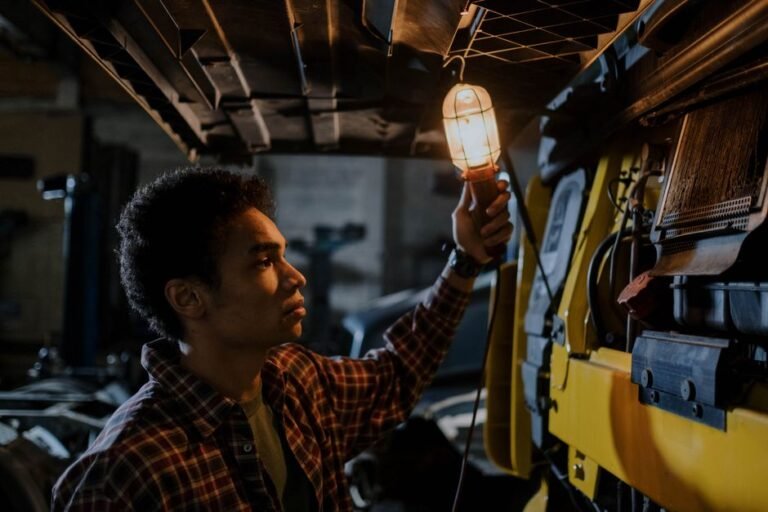
- Pin condition. With a flashlight, check that the pins look straight, evenly spaced and free of corrosion or green residue. Compare them against each other.
- Housing and seals. Cracks in the surrounding plastic or a torn rubber seal can let water in.
- Debris. Leaves, grit or insects packed into the port suggest a car that sat unused or had a missing cap. Note it, and let a technician handle the cleaning.
- Door, cap and latch. The charge door should open and close cleanly. With a cable connected, the latch should lock and release on command. A latch that won’t release is a common and annoying fault.
- Adapters. If the car came with an adapter, inspect it too. A worn adapter can damage a good port.
Which connector the car uses matters as well, particularly as networks shift standards. Our guide to NACS vs CCS charging explains what that means for adapters and access. The Department of Energy’s Alternative Fuels Data Center has a clear overview of charging levels and connector types if you need to identify what you’re looking at.
Test it, don’t just look
A port can look clean and still misbehave. Ask to plug the car into a Level 2 charger and, if possible, a DC fast charger during the test drive, or arrange to meet the seller at a public station. Watch whether the session starts on the first try, whether the charging rate looks reasonable for the battery’s state of charge, and whether any fault messages appear on the dash or the charger screen.
Also ask the seller if they have had trouble starting sessions or seen charging stop unexpectedly. Intermittent faults are hard to catch in one test, and an honest answer can save a lot of guesswork.
If something looks wrong
Scorch marks, bent pins or a faulty latch don’t automatically rule the car out, but they belong in the price conversation. Port and inlet repairs involve the high-voltage system and must be handled by a qualified EV technician, and parts and labor vary widely by model. Get a written estimate from a dealer or EV specialist before agreeing to a number.
The port is only one item on the list. Our full used EV buying checklist covers battery health, warranty transfer and the rest of the inspection. Bring a flashlight either way.