What Affects EV Charging Time, From the Plug to the Weather
Three things decide how long an EV takes to charge: the slower of the charger and the car, how full the battery already is, and how warm the pack is. Understanding what affects EV charging time mostly means knowing which of those is the bottleneck on a given day.
That is why the same car can take 25 minutes at one stop and 50 at the next without anything being broken.
The charger and the car set the ceiling together
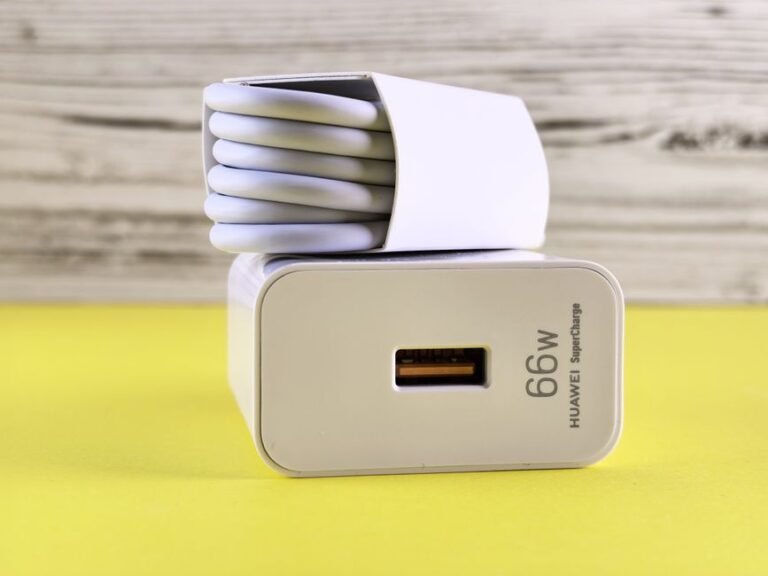
Power flows at the lower of two limits: what the equipment can supply and what the car can accept. A 350 kW station does nothing extra for a car whose maximum DC rate is a fraction of that.
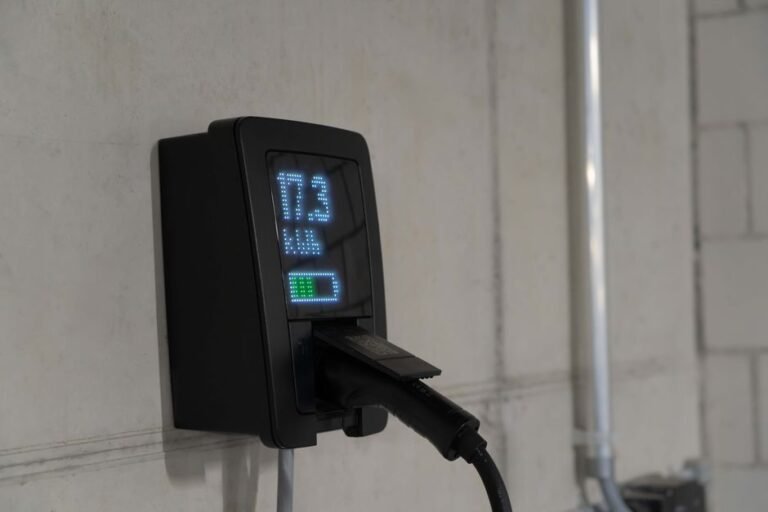
At home and on most public Level 2 posts, the limit is often the car’s onboard charger, which converts AC from the grid into DC for the battery. Those onboard units commonly range from roughly 7 kW to 11 kW, with exact ratings varying by model and trim. We compare the home options in Level 1 vs Level 2 home charging.
| Charger type | Typical power | Usual limiting factor |
|---|---|---|
| Level 1 (120V outlet) | About 1 to 2 kW | The outlet and circuit |
| Level 2 (240V) | Roughly 3 to 19 kW | Circuit size or the car’s onboard charger |
| DC fast charging | Roughly 50 to 350 kW at the station | The car’s maximum DC rate, pack temperature, state of charge |
Ranges are broad on purpose; station hardware and vehicle limits vary widely, and a busy site may split power between neighboring stalls.
State of charge and the charging curve
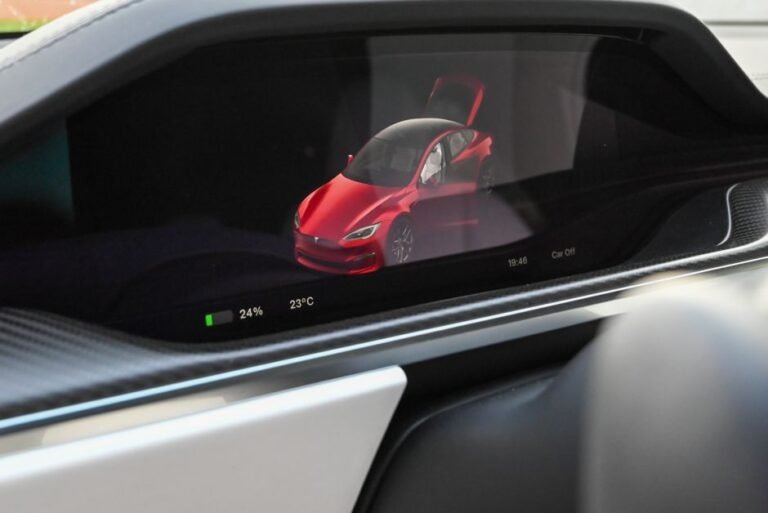
A battery charges fastest when it is fairly empty. As it fills, the car reduces power to protect the cells, a pattern called the charging curve or taper. On most EVs, the drop gets steep somewhere past the midpoint, and the final 10 to 20 percent can be slow.
That is why manufacturers usually quote fast-charging times from about 10% to 80% rather than to full. It is also why arriving low and leaving at 80% is often the quickest way through a road trip.
Temperature, and what affects EV charging time in winter
Cold cells accept charge slowly, and the battery management system limits power until the pack warms. In winter, a car that hasn’t been driven long, or wasn’t told it was heading to a charger, can start a DC session well below its peak. Heat matters too: a pack that is already hot after hard driving on a summer day may also be throttled.
Some EVs can warm the battery on the way to a fast charger, which helps. At home, cold matters less because Level 2 power is low enough that temperature rarely becomes the limit.
Smaller factors that add up
Battery size changes the math: a bigger pack takes longer to fill at the same power. Station health matters as well, since a damaged cable or a unit sharing power can deliver less than its label. Price structures can differ too, which we cover in how DC fast charging pricing works.
For typical charging levels and equipment, the Department of Energy’s Alternative Fuels Data Center is a reliable baseline.
If a session is slower than expected, check the pack temperature and state of charge before blaming the charger.