PHEV vs Standard Hybrid: What the Plug Buys You
If you can plug in at home and most of your daily driving fits inside the electric range, a plug-in hybrid can run on electricity for most miles. If you can’t charge regularly, the PHEV vs standard hybrid question usually tips toward the hybrid, which gives similar fuel economy for less money and less weight.
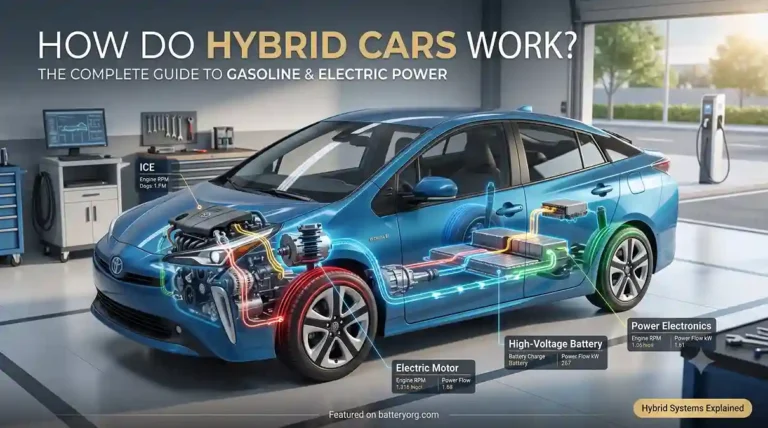
The two share a name but work differently. A standard hybrid, sometimes marketed as self-charging, has a small battery that is refilled by the engine and by regenerative braking. It never plugs in, and it can only drive short distances on electric power, typically at low speeds. Our explainer on how regenerative braking works covers where much of that recovered energy comes from.
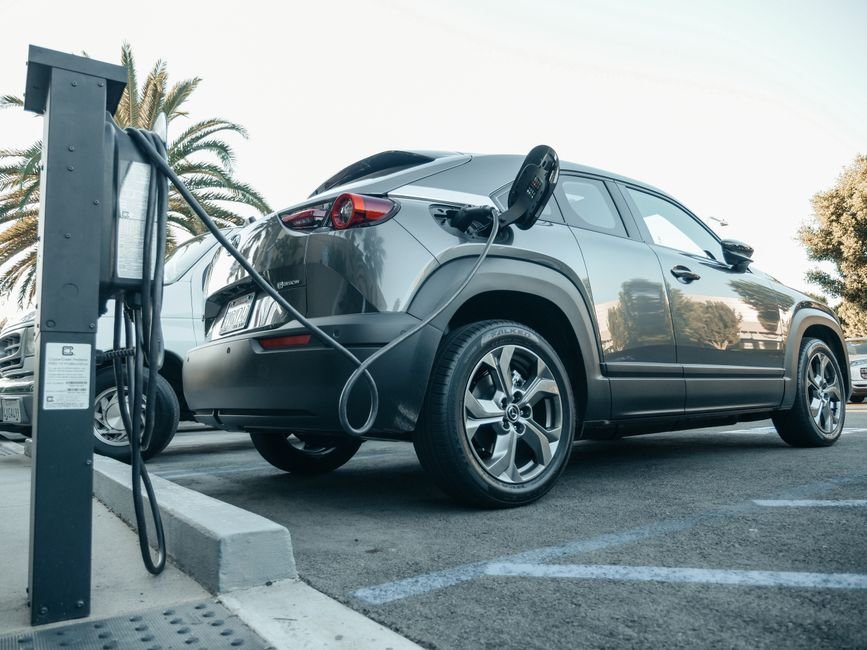
A plug-in hybrid, or PHEV, carries a much larger battery that you charge from an outlet or charger. That lets it drive a meaningful distance on electricity alone before the engine starts. EPA-rated electric range varies widely by model, from the low 20s to around 50 miles for many current models, and real-world range drops in cold weather and at highway speeds. Once the battery is depleted, a PHEV behaves like a regular hybrid.
PHEV vs standard hybrid: where the difference shows up
- Purchase price: PHEVs usually cost more than the hybrid version of the same model, because of the bigger battery and charging hardware.
- Running cost: Depends on your local electricity and gas prices. Charging is often cheaper per mile than gas, but not in every region or at every public charger.
- Charged vs uncharged: A PHEV that is rarely plugged in carries extra weight for nothing and can use more fuel than an equivalent standard hybrid.
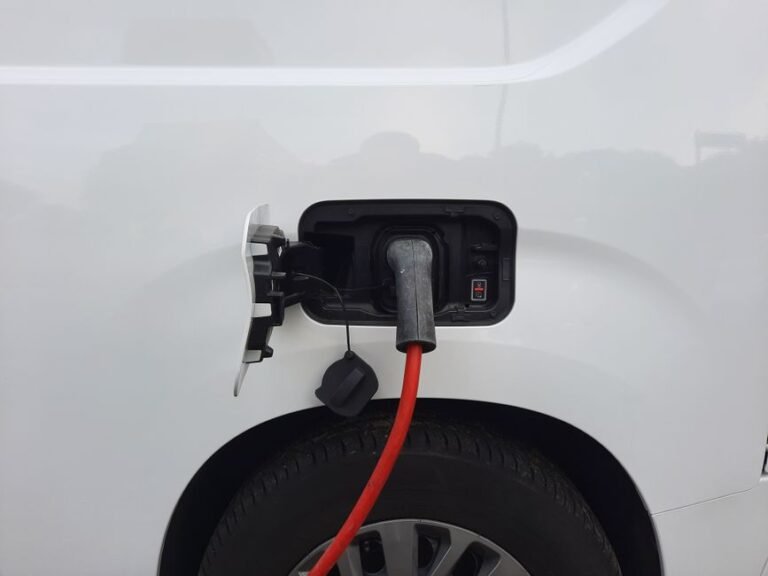
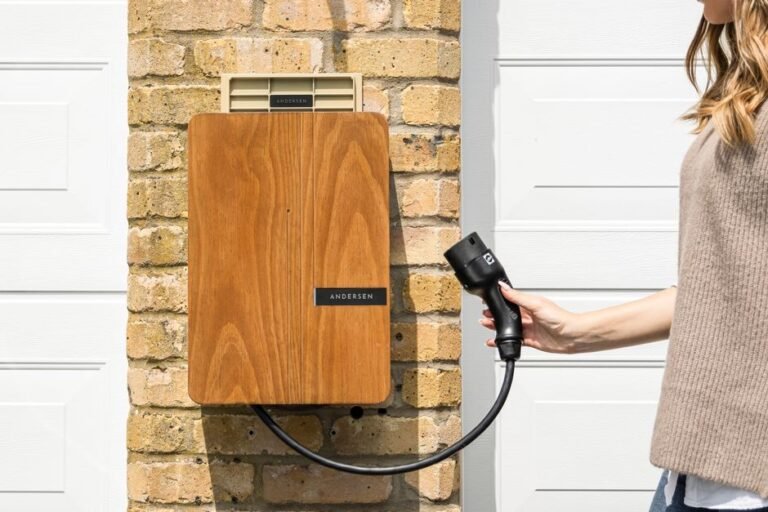
- Charging access: Most PHEVs can charge overnight on a standard household outlet because the battery is relatively small, though Level 2 is faster.
- Complexity: Both have an engine to maintain. A PHEV adds a charging port and larger battery, which may matter for long-term ownership costs.
- Space: The bigger battery in a PHEV sometimes eats into cargo or fuel tank capacity, depending on the model.
That third point is where many owners go wrong. Studies of real-world use in Europe have found that many plug-in hybrids are charged less often than official test cycles assume, so their fuel use ends up higher than the label suggests. The label is only as good as your charging habits.
How to decide
Start with your daily mileage. If a normal day is shorter than the car’s realistic electric range, and you have somewhere to plug in, a PHEV can cover much of that driving without burning fuel. The fueleconomy.gov plug-in hybrid page from the DOE and EPA explains how the official ratings are calculated.
If you park on the street, drive long highway stretches most days, or already know you won’t bother plugging in, a standard hybrid is the simpler buy. It has fewer ways to underperform its sticker.
If you are weighing a plug-in against going fully electric instead, our plug-in hybrid vs full EV decision framework walks through that choice.
Before signing, be honest about how often you will charge. A plug-in hybrid you never plug in is just a heavier, pricier hybrid.