Plug-In Hybrid vs Full EV: A Decision Framework That Isn’t Brand Loyalty
The right choice in the plug-in hybrid vs full EV decision comes down to one number: how many of your driving days exceed the battery-only range you’d be buying. Get that number first, and the choice stops being about brand loyalty or which one felt nicer in the parking lot.
Start with your real commute, not your longest trip
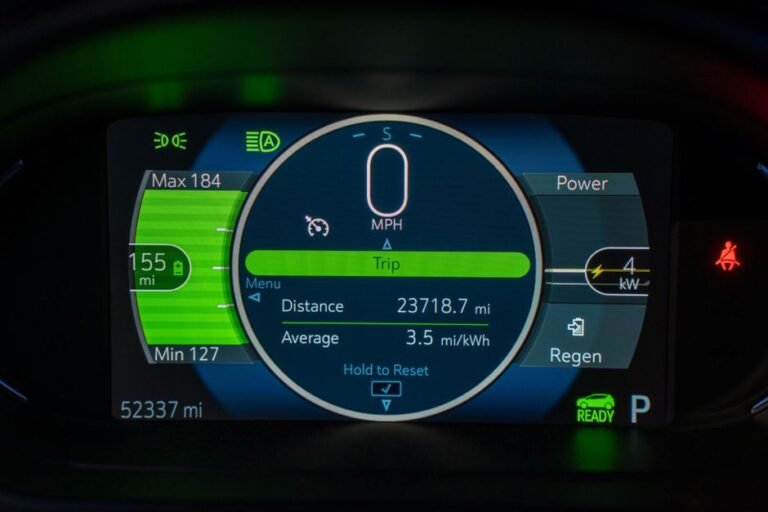
Most people size their EV decision around the road trip they take twice a year, which is backwards. A full EV with 250-300 miles of range (figures vary by trim and battery pack, so check the window sticker for your specific configuration) covers the overwhelming majority of daily driving without a second thought. The question that matters is what happens on the days above that: do you rent a car, stop for 30 minutes at a fast charger, or does the trip happen rarely enough that it’s not worth designing your whole purchase around?
A plug-in hybrid answers that same question differently. Its electric-only range is much shorter, commonly somewhere in the 20-40 mile band and varying by model, enough for most commutes and errands, with a gas engine that takes over for anything longer. You get electric-only driving day to day and none of the range planning for long trips.
What each one costs you
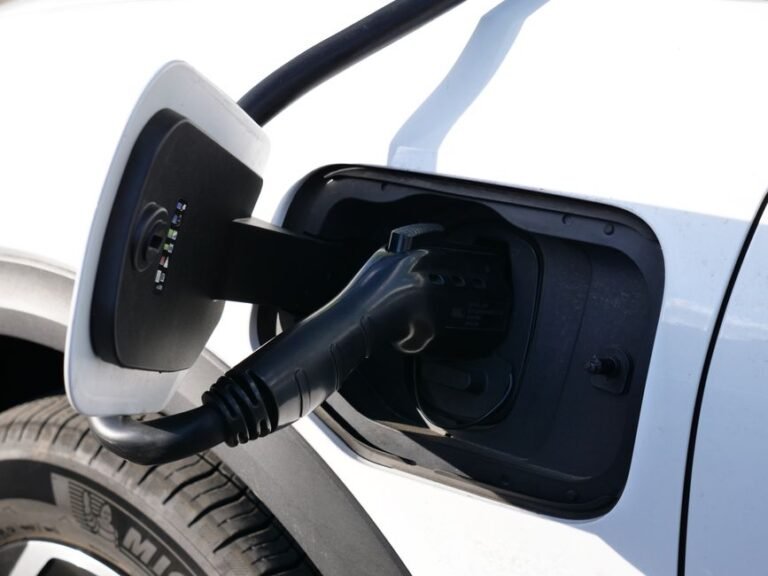
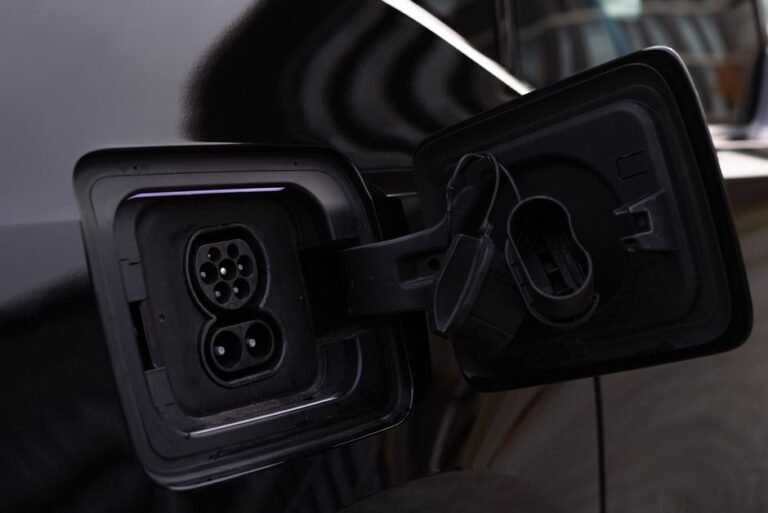
A full EV means public charging infrastructure enters your life whether you want it to or not, even if rarely. A plug-in hybrid means maintaining two drivetrains, an engine with its own service schedule alongside a smaller battery pack, and paying for gas once the electric range runs out.
| Full EV | Plug-in hybrid | |
|---|---|---|
| Daily driving | Electric, no gas stops | Electric if under battery range |
| Long trips | Requires charging stops | Runs on gas, no stops |
| Maintenance | No engine service | Engine and battery service |
| Home charging need | Strongly recommended | Useful but not essential |
When a plug-in hybrid is the better call, not the compromise
Plug-in hybrids often get framed as a stepping-stone choice, but for a specific kind of driver they’re the right long-term answer: no reliable home or workplace charging, frequent long highway trips, or a household with only one vehicle that has to cover every use case. In those situations a full EV adds friction a plug-in hybrid doesn’t have.
The reverse is just as true. If your commute fits inside any modern EV’s daily range and you can charge overnight at home, the plug-in hybrid’s gas engine becomes dead weight you’re carrying, and paying to maintain, for trips you rarely take.
Total cost and environmental impact depend on your electricity mix, annual mileage, and how you actually drive, not just which category the car falls into. The Department of Energy’s plug-in hybrid technology page breaks down how the two propulsion systems work together, worth reading before you compare price tags.
If you’re cross-shopping and still torn, look at your own driving log for the last month before you look at another spec sheet. See how first-time EV owners often misjudge their charging needs once they get past the brochure, and check what home charging requires before assuming it’s a dealbreaker either way.
Whichever you pick, the engine or the charging cable is going to matter for a decade. Base it on the driving you do, not the trip you take twice a year.