EV Trip Without Charging Access: How to Plan Around a Charging Desert
Heading somewhere with no fast chargers on the map? You can still make the trip, but only if you treat every outlet as a planned stop and arrive with far more buffer than you would on a highway corridor. An EV trip without charging access is a slow-charging trip, and the planning has to start from that.
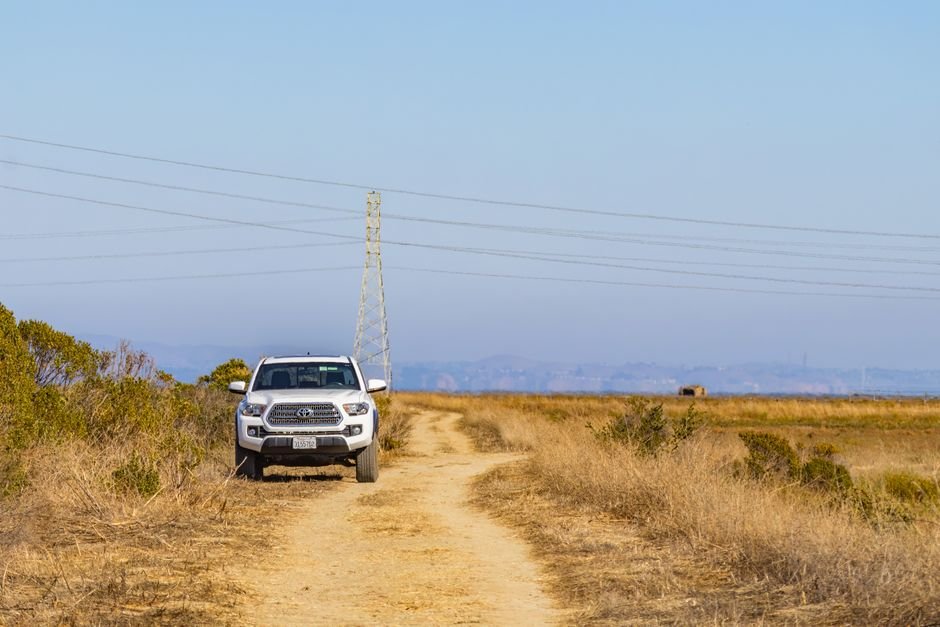
Standard road-trip advice assumes a fast charger every so often. In a genuine charging desert, such as remote ranch country, mountain backroads or some national-park gateways, that assumption fails, and the fallbacks are much slower.
An EV trip without charging access starts with an honest range number
Forget the window-sticker figure. Use your own recent efficiency at the speeds and temperatures you expect, then plan legs that end with at least a quarter of the battery left. Backroads can be kinder than interstates at lower speeds, but long climbs, gravel, headwinds and cold all eat into range. Our guide to working out your real-world EV range shows how to get a number you can trust.
Know what slow charging really delivers
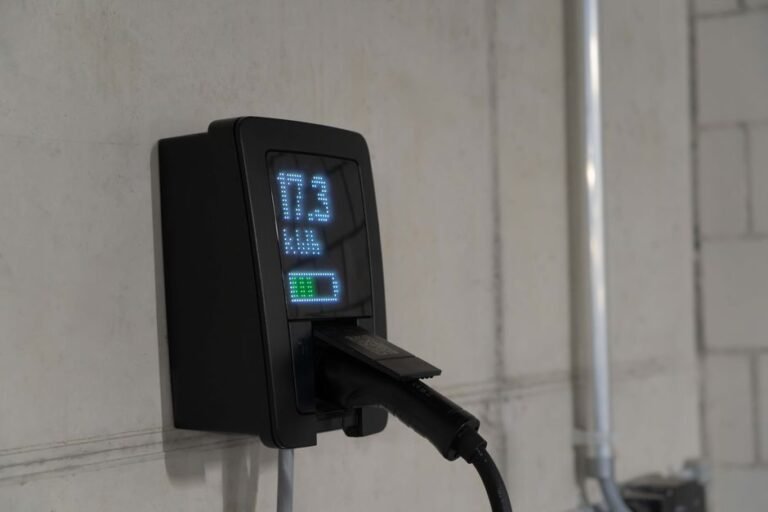
The Department of Energy’s Alternative Fuels Data Center estimates Level 1 charging from a standard 120-volt outlet adds roughly 5 miles of range per hour, and Level 2 around 25 miles per hour. Your car’s results will vary with its efficiency and onboard charger. That means an overnight stop on a household outlet may add a modest amount of range, not a full battery. Plan the next day around that figure, not around hope.
Find the outlets before you leave
Campgrounds and RV parks are the main lifeline in remote areas. Many have 240-volt NEMA 14-50 sites that can deliver Level 2 speeds through your car’s mobile connector and the matching adapter. Call ahead: some parks welcome EVs for a fee, and some do not allow it. Rural hotels, B&Bs and town halls sometimes have a Level 2 unit that never shows up in charging apps, so ask directly.
Check the DOE’s station locator alongside your usual app. It sometimes lists Level 2 sites in small towns that commercial apps miss.
Pack for slow charging
- Your car’s mobile connector, plus only the adapters its maker sells or approves
- No household extension cords, and no homemade or marketplace plug adapters: a heavy load over hours is how outlets and cords overheat
- A printed list of every outlet, its address, phone number and hours
- Offline maps, since remote areas often lose mobile signal
Drive for distance
Speed is the biggest lever you control. Aerodynamic drag climbs steeply as you go faster, so dropping 10 mph on an open road can stretch a leg noticeably. Precondition the cabin while still plugged in, use seat heaters instead of blasting cabin heat, and keep an eye on elevation. Descents return some energy through regenerative braking, but never as much as the climb cost. If temperatures will be low, what helps EV range in cold weather is worth reading first.
Set a turnaround rule before you go: if you reach a planned outlet and it is unavailable, and your remaining range will not reach the next confirmed one with margin, you wait or turn back. Deciding that in advance beats deciding it on a dark road with 12 percent left.
Sometimes the right answer is a different car for this one trip. That is not a failure of the EV; it is planning.