NACS vs CCS Charging: What Your Car’s Connector Means for Compatibility
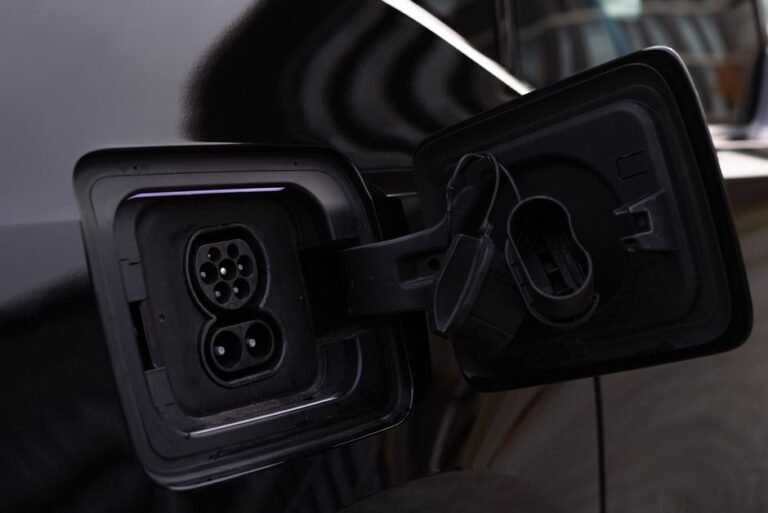
Can your EV use any fast charger you pull up to? Not necessarily: in North America, the answer depends on whether your car has a CCS port or a NACS port, and on which adapters it supports. The NACS vs CCS charging question used to be a Tesla-owner detail. It now affects nearly every EV buyer.
That is because several automakers that built cars with CCS ports have announced moves to NACS, the connector Tesla developed and opened to other manufacturers. SAE has since standardized it as J3400. For a few years, both plugs will be common on the road and at stations.
The four plugs you will run into
| Connector | Where you find it | What it handles |
|---|---|---|
| J1772 | Most non-Tesla EVs and many public Level 2 stations | AC charging only (Level 1 and Level 2) |
| CCS1 (J1772 combo) | Non-Tesla EVs built before their maker switched | AC through the J1772 section, DC fast charging through the extra pins |
| NACS (J3400) | Tesla vehicles and newer models from brands that switched | AC and DC fast charging through one compact plug |
| CHAdeMO | Older Nissan Leafs and a few other earlier EVs | DC fast charging only, on a shrinking number of stations |
The Department of Energy’s Alternative Fuels Data Center has a clear breakdown of charging levels and connector types, including the power ranges each level covers.
Where NACS vs CCS charging trips people up
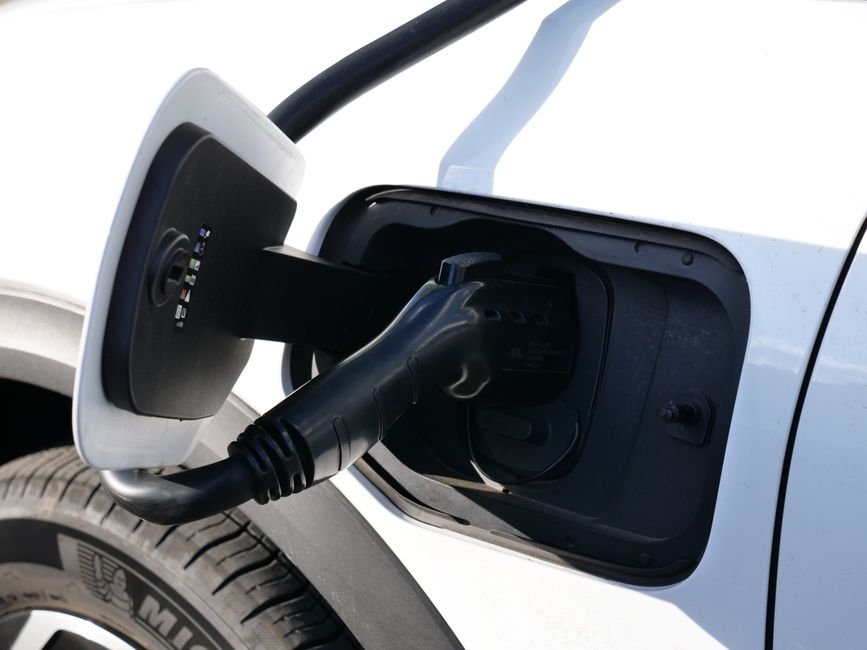
For home and workplace Level 2 charging, the difference is small. Tesla cars ship with a J1772 adapter, and J1772-to-NACS adapters exist for newer non-Tesla cars. AC charging is slow enough that a simple adapter handles it without drama.
DC fast charging is where it gets messier. A CCS car can only use a Tesla Supercharger if two things are true: that station is open to non-Tesla vehicles, and the car’s maker has enabled access and approved an adapter. Not every Supercharger site is open, and not every automaker’s adapter works at every stall generation. Some older stalls also have short cables sized for Tesla’s port position, which can mean parking awkwardly or across two spaces.
Going the other way, a newer NACS-equipped car that wants to use an older CCS station needs a NACS-to-CCS adapter. Use the one your automaker sells or approves. Cheap third-party DC adapters carry a lot of current, and a poor one is a heat and warranty risk you do not need.
What this means if you are buying now
If you are shopping for a new or used EV, ask three questions before price comes up:
- Which port does this exact model year have?
- Does it come with an adapter, or does that cost extra?
- Which fast-charging networks can it use today, not “soon”?
Access announcements often run months ahead of the software and adapters that make them real. Treat a promise of future Supercharger access as a bonus, not a reason to buy.
At home, the port matters mostly when choosing equipment. The Level 1 vs Level 2 comparison covers how much charging speed you need in the first place, and a charger with a swappable cable avoids betting on one plug for a decade. On the road, knowing how public DC fast charging pricing works matters as much as whether the plug fits.
Before a trip, check your charging app’s filter for your actual connector and adapter. Plug shape is the one thing you cannot fix at the station.