Common Mistakes First-Time EV Owners Make in Year One
Most first-time EV owner mistakes come from habits that made sense in a gas car and don’t translate well to an EV — treating the battery like a fuel tank, ignoring the home charging setup until after delivery, or judging range the same way you judged a gas gauge. None of these are hard to avoid once you know they’re coming.
Charging to 100% every night
A gas car rewards filling the tank all the way. An EV battery generally prefers the opposite for daily use — most manufacturers recommend a routine charge target of around 80%, saving 100% for the days you actually need the extra range. Charging to full every single night doesn’t ruin a battery overnight, but it adds unnecessary long-term wear for no benefit if you don’t need the range. For more on how charge habits affect the pack over time, see what degrades an EV battery over 100,000 miles.
Not sorting out home charging before the car arrives
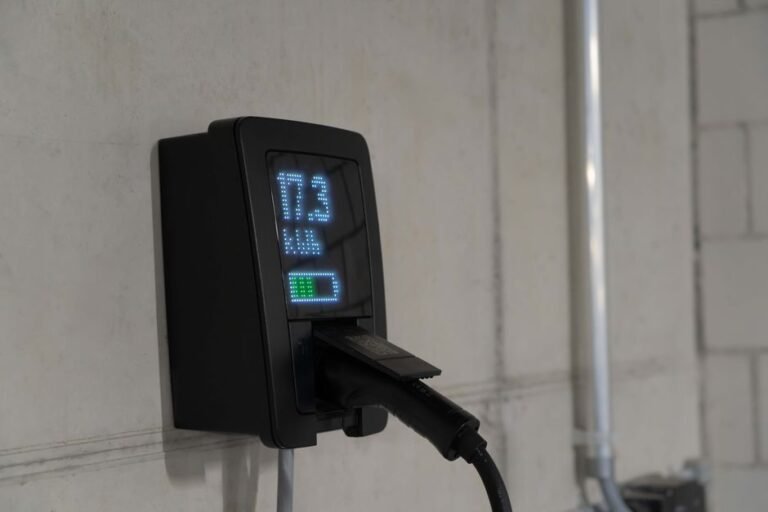
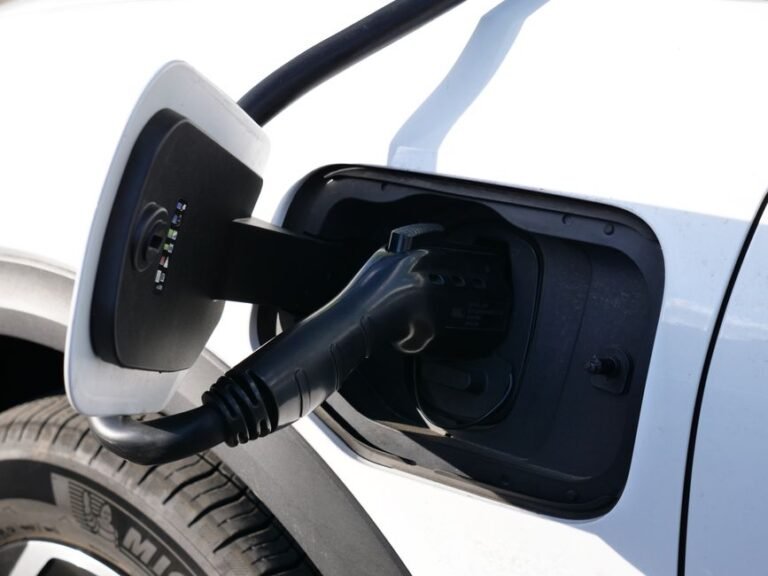
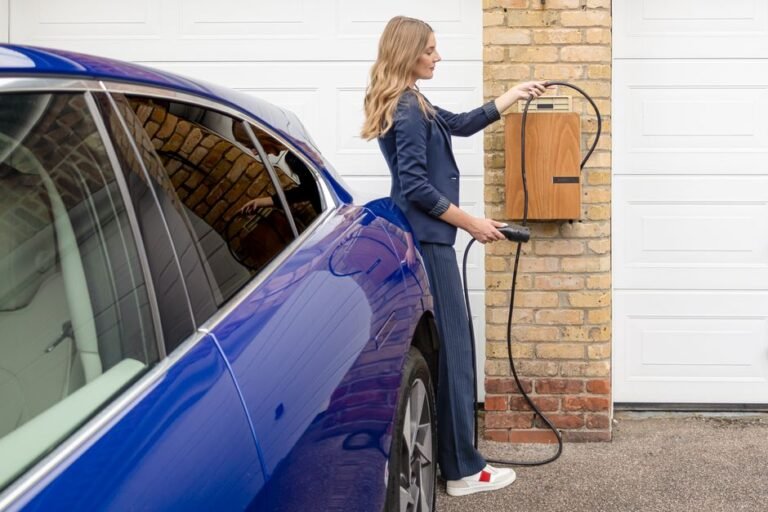
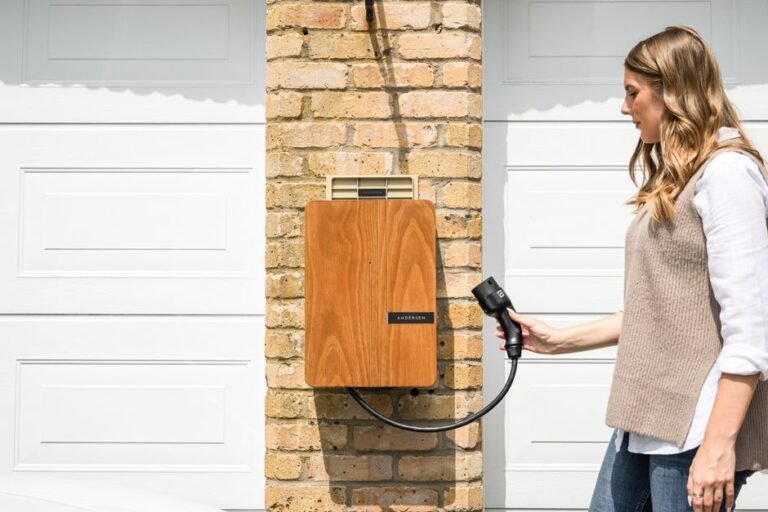
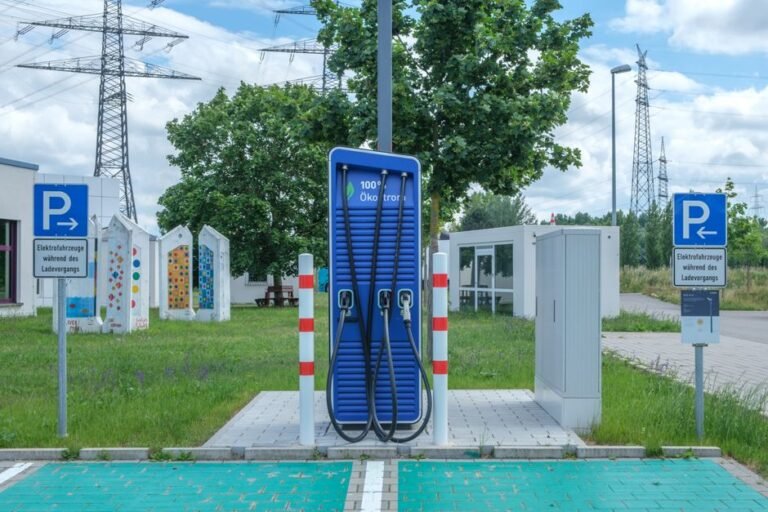
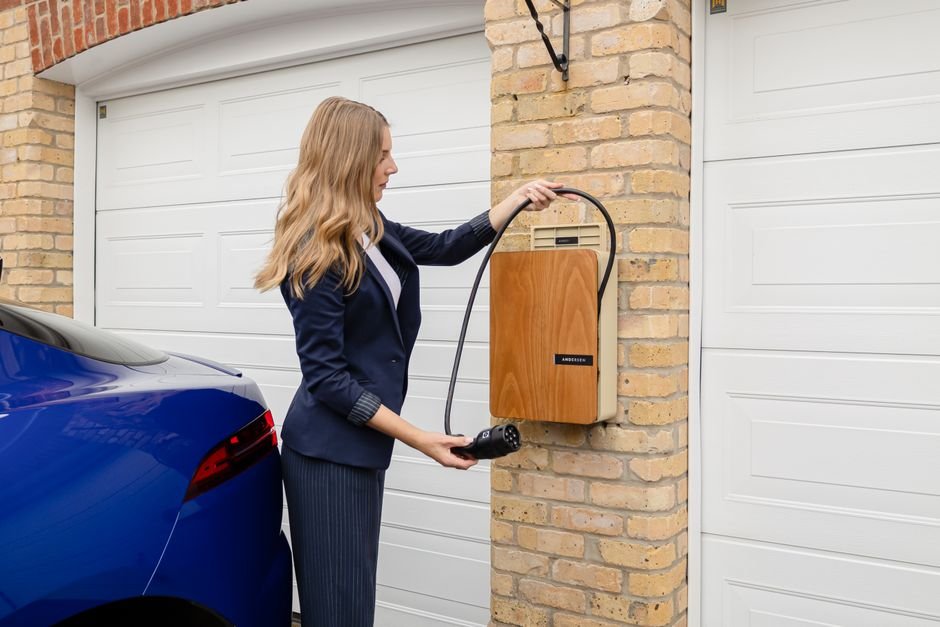
A surprising number of new owners plan to “figure out charging later” and end up relying on a standard wall outlet for weeks, which adds only about 3-5 miles of range per hour — fine for a plug-in hybrid, painfully slow for a daily-driven EV with a real commute. Getting a Level 2 charger installed, or at least scoping out the nearest reliable public charging, before the car shows up avoids a stretch of range anxiety that has nothing to do with the car itself. The tradeoffs between charging speeds are covered in Level 1 vs Level 2 home charging.
Reading range the way you read a fuel gauge
A gas gauge is a fairly stable predictor of remaining distance. An EV’s range estimate swings with speed, temperature, terrain, and climate control use in a way a gas gauge never does — cold weather alone can cut usable range meaningfully. New owners who treat the number on the dash as fixed sometimes end up more anxious about range than the car’s actual capability justifies, or conversely get caught out on a cold day expecting highway-cruise numbers that don’t hold up.
- Charging to 100% nightly out of habit, not need
- Delaying the home charging setup until after the car arrives
- Assuming range estimates hold steady regardless of weather or speed
- Not checking whether a destination has reliable charging before a longer trip
- Ignoring preconditioning — warming the battery and cabin while still plugged in, which uses grid power instead of battery range
That last one is worth calling out on its own: preconditioning the cabin and battery while the car is still plugged in, rather than after unplugging, is one of the easiest free wins new owners miss simply because gas cars never had the option.
The federal government’s fueleconomy.gov site maintains a plain-language set of EV driving and charging tips aimed at exactly this adjustment period, worth a read in the first week of ownership rather than the first year.
Most of these habits fix themselves within a few months of driving. The ones worth getting right from day one are the charging target and the home setup — everything else is just recalibrating what empty and full mean.