What One-Pedal Driving Feels Like, and How to Adjust
For the first few days, one-pedal driving feels like the car is braking every time you ease off the accelerator, because it is. Most drivers adapt within a week or two and many end up preferring it, but the adjustment period catches more new owners off guard than the test drive suggests.
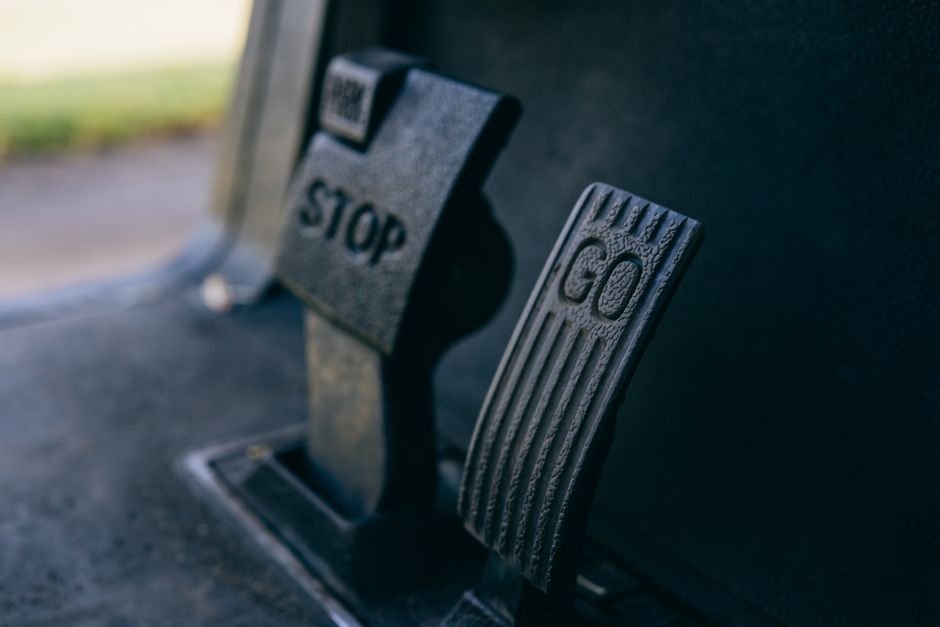
The trick is that the accelerator stops being an on-off switch. In a one-pedal driving EV setup, lifting your foot is how you slow down, so the pedal controls both speeding up and slowing down depending on how far you let it rise.
What the car is doing when you lift off
One-pedal mode turns regenerative braking up high. The motor resists the wheels hard enough to produce real deceleration, feeding energy back into the battery as it does. In some cars this brings you to a complete stop and holds you there. In others it slows the car to a crawl and you still press the brake for the final few feet. Which one you have depends on the manufacturer and sometimes the model year, and the owner’s manual will say.
Many EVs are designed to switch on the brake lights once regen slows the car past a certain rate, but the threshold varies. It is worth knowing how your car handles it, especially if you drive in heavy traffic.
Where one-pedal driving in an EV trips people up
The most common early complaint comes from passengers. New drivers tend to lift off too quickly, and the car pitches forward in a way that feels like a clumsy stop. The fix is to let the pedal up gradually, as if you were easing off the gas on approach to a light rather than letting go.
Some drivers find that holding the pedal at a steady position on long highway stretches tires their leg. Most cars let you pick a lower regen level, and plenty of owners use a strong setting in town and a milder one on the highway. Adaptive cruise control takes the job over on long drives anyway.
Slippery roads deserve some thought. Strong regen on ice or packed snow slows only the driven wheels, which can unsettle the car. Some models reduce regen automatically when they detect slip; others leave it to you. A lower setting in winter is a reasonable precaution, and cold packs limit regen anyway, as covered in how cold weather affects EV range.
The least discussed problem shows up when you switch back. After a few months of one-pedal driving, a gas rental or a second car that simply coasts when you lift off can surprise you at the worst moment. Give yourself a few careful miles to reset the habit.
To speed things along, start on a lower regen level and step it up over a few days, spend ten minutes in an empty parking lot learning where the car stops, and treat the brake pedal as your emergency control. One-pedal mode does not replace it in a panic stop; pressing the brake brings in the friction brakes, and the car blends the two.
It will not add much range on its own, either. Smooth driving matters more than the mode, a point that comes up often in common mistakes first-time EV owners make. The Alternative Fuels Data Center’s page on how all-electric cars work covers the hardware behind it.
Give it two full weeks before deciding you hate it.