Real-World EV Range vs EPA Estimate: How to Work Out Your Own Number
The range on an EV’s window sticker is a standardized lab result, and your own driving will often land below it. Comparing real-world EV range vs EPA estimate figures is less about catching a carmaker out and more about knowing which conditions shrink the number, then doing a quick bit of arithmetic with your own figures.
The EPA test runs a mix of city and highway cycles and applies adjustments meant to reflect typical driving. It’s useful for comparing one model against another, because every car goes through the same process. It isn’t a forecast of what you’ll see on a cold morning at highway speed with four people aboard. The fueleconomy.gov EV section, run by the Department of Energy and the EPA, explains the test and lists the factors that reduce range.
What pulls range below the sticker
Sustained highway speed is the big one. Aerodynamic drag rises sharply with speed, and unlike stop-and-go driving there’s little braking to recover energy from. A long run at 75 mph can use noticeably more energy per mile than the test’s highway cycle assumes.
Temperature comes next. In cold weather, heating the cabin and keeping the battery warm both draw from the pack, and the chemistry itself delivers less. Heat pumps and preconditioning while plugged in help; our guide to cold-weather EV range goes through them. Very hot days cost range too, through air conditioning and battery cooling.
Load, terrain and tires round it out. Towing, roof boxes, steep climbs, winter tires and underinflated tires all raise consumption. The size of the hit varies by vehicle and conditions, so treat any single percentage you read online as a rough guide, not a rule.
Real-world EV range vs EPA estimate: doing the sums
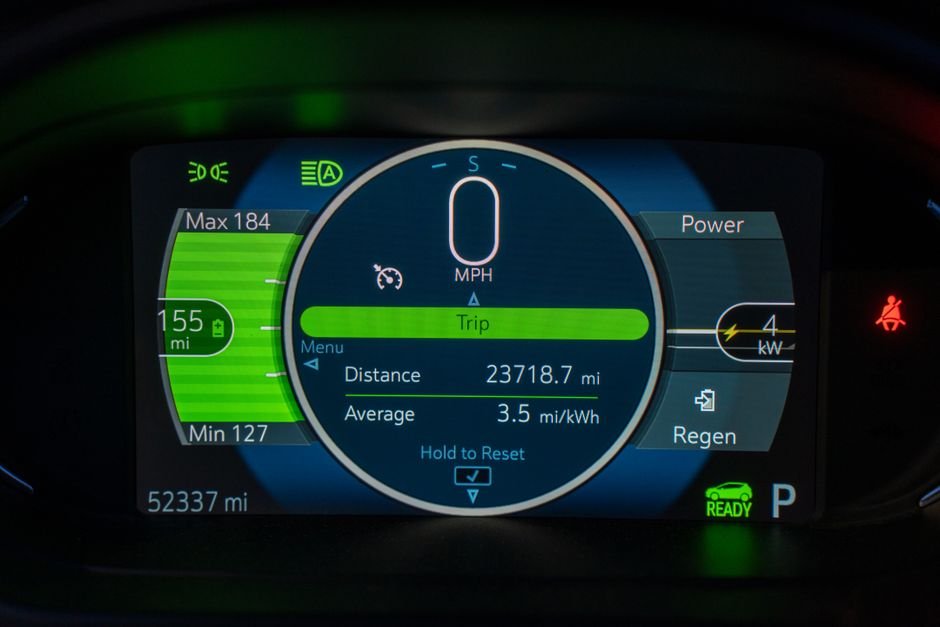
After a couple of weeks of normal driving, check the efficiency figure on the trip computer, usually shown in miles per kWh or kWh per 100 miles. Multiply miles per kWh by the battery’s usable capacity, which the manufacturer lists and which is a little smaller than the gross pack size.
As a hypothetical: a car averaging 3.5 miles per kWh with around 75 kWh usable works out to roughly 260 miles from full to empty. Repeat the sum with your worst-case winter efficiency and your highway efficiency, and you have a realistic range band instead of one optimistic number.
Then trim it for how you’ll use the battery. On a road trip most drivers charge from roughly 10 to 80 percent, because fast charging slows sharply near full. That usable window is about 70 percent of the pack, which is why trip planning looks different from the sticker. Our EV road trip checklist covers how to plan stops around it.
Using the sticker number sensibly
If you’re shopping, compare sticker figures between models, then discount them all by the same rough margin for your climate and commute. A car whose rated range only just covers your longest regular day will feel tight in January. Buy with margin, or plan on charging more often than the brochure implies.