A Checklist for Road-Tripping in an EV Without Range Anxiety
Planning an EV road trip around total range is the wrong starting point. Plan around chargers instead, and most of the range anxiety disappears before you even leave the driveway.
Before you leave
- Map your charging stops along the actual route, not just the destination, using a planner built into the car’s navigation or a charging network app, since straight-line range estimates don’t account for elevation, wind, or speed
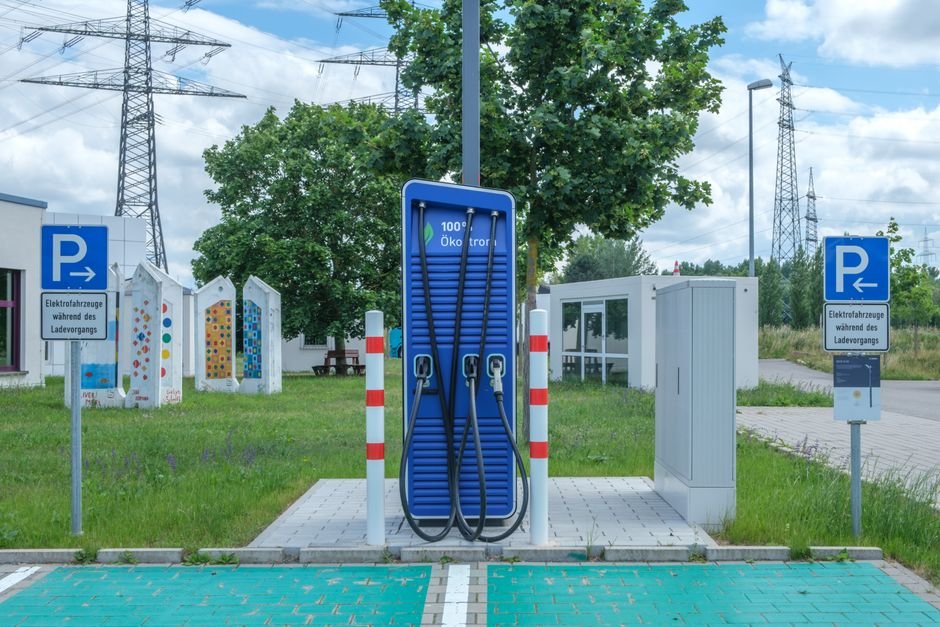
- Confirm each planned stop is a fast DC charger if you need a quick turnaround, not a slower Level 2 unit meant for hours-long parking
- Identify a backup charger at each stop in case one is broken or occupied, which happens often enough to plan for
- Charge to 100% only right before a long driving leg; for everyday charging elsewhere, less than full is fine and easier on the battery long-term
- Check that your charging network app account, payment method, and RFID card, if the network uses one, all work before you’re standing at a charger needing them
On the road
Arrive at each fast charger with the battery already fairly low. Charging speed drops off sharply above roughly 80%, so topping off to 90-100% at every stop wastes time you don’t need to spend. Charge to whatever gets you comfortably to the next stop, plus a buffer, and keep moving.
Weather, elevation gain, and highway speed all reduce real-world range below the window-sticker number, sometimes substantially. Build slack into your stop spacing rather than routing right at the edge of the car’s range, especially in poor weather or mountain terrain.
Overnight stops
If the trip spans more than a day, book lodging with a charger on site or nearby when you can. Waking up to a full battery instead of hunting for a charger before breakfast removes an entire category of morning stress, and hotels with chargers are increasingly easy to filter for in booking apps. Where that’s not an option, plan the last charging stop of the day to leave enough buffer to reach a charger the next morning without cutting it close.
If a planned charger is down
Get in the habit of checking real-time charger status before you arrive, not after. Most charging apps show whether a stall is currently in use or reported broken. Building one extra stop option into each leg means a single broken charger doesn’t turn into a stressful detour.
Pack a Level 1 cable even if you don’t expect to need it. A standard wall outlet is slow, but it’s a real fallback if a fast charger along your route is out of service for longer than expected.
The Department of Energy’s alternative fueling station locator is a useful cross-check against whatever app your car or charging network provides, particularly in areas with less charging density.
Two other guides are worth reading before a longer trip: the general pre-road-trip checklist covers the mechanical basics that apply to any car, and how DC fast charging pricing works will save you from an unpleasant surprise on the receipt.
A trip planned around chargers instead of range numbers tends to go fine. One planned around range numbers alone is where people get stranded.