What Actually Degrades an EV Battery Over 100,000 Miles
An EV battery’s biggest enemies are heat, high state-of-charge storage, and frequent fast charging — not the odometer. Most modern packs are engineered to retain the large majority of their original capacity well past 100,000 miles, and the factors that matter most come down to how a car is used, not how far it’s been driven.
What drives EV battery degradation
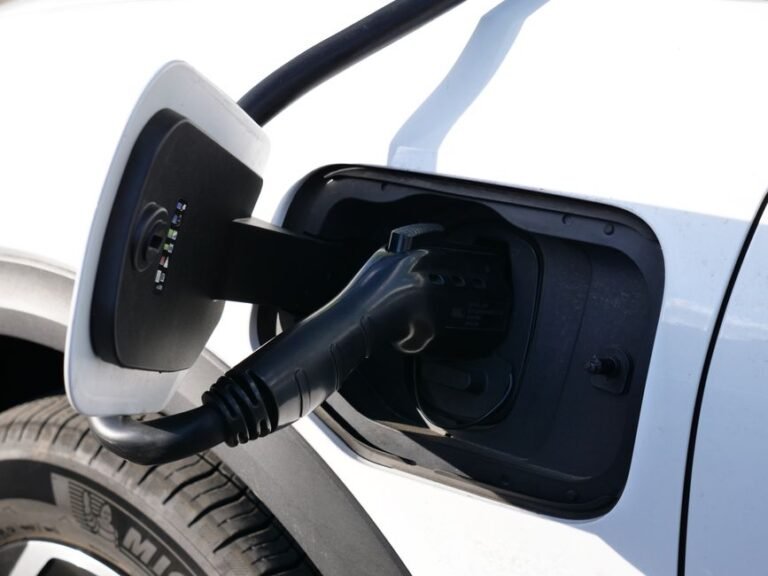
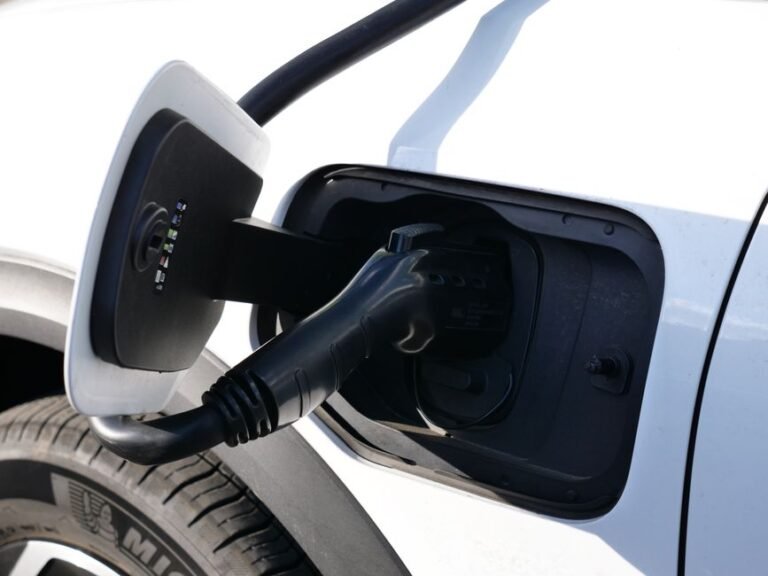
Heat is the biggest factor. Battery chemistry breaks down faster at sustained high temperatures, which is why hot climates and cars without active thermal management tend to show more capacity loss over time. Keeping a pack near full charge for long stretches accelerates wear too, as does frequent DC fast charging, since rapid charging generates more heat than a slower charge does. Charging speed itself isn’t inherently damaging — a pack rated for fast charging is engineered to handle it — but doing it as your default rather than your exception adds up over thousands of cycles. If you’re deciding between Level 1 and Level 2 home charging, know that neither is inherently harder on the battery than daily fast charging would be.
Mileage itself is a weak predictor. A car driven gently and charged mostly at home on a slower charger will often show less degradation than a low-mileage car that sat parked at a high state of charge in a hot climate for years.
What the warranty numbers tell you
Manufacturers publish battery warranties, typically covering a stated percentage of capacity for a set number of years or miles, and those figures are the most reliable attributable numbers available since they vary by manufacturer and model year. Rather than quoting a single degradation percentage here, check the specific warranty terms for the vehicle you’re looking at — a general number would be misleading given how much this varies. For general information on the technology itself, see the Department of Energy’s Alternative Fuels Data Center, and for a deeper look at what that warranty percentage represents, see our piece on what battery degradation measures.
What you can control day to day
Avoid routinely charging to 100% unless you need the range for a specific trip. Use DC fast charging when you need it, but rely on slower home or Level 2 charging for daily use, and park in shade or a garage where you can in hot climates. If you’re shopping for a used EV, ask for the battery’s current state-of-health reading if the seller can provide one, and check whether the vehicle still qualifies for any remaining manufacturer warranty.
Never attempt to inspect, open, or test a battery pack yourself. That’s a genuine electrocution and fire risk, and it belongs entirely with a qualified EV technician — no exceptions, regardless of how confident you feel with a multimeter.