How Battery Preconditioning for Fast Charging Works
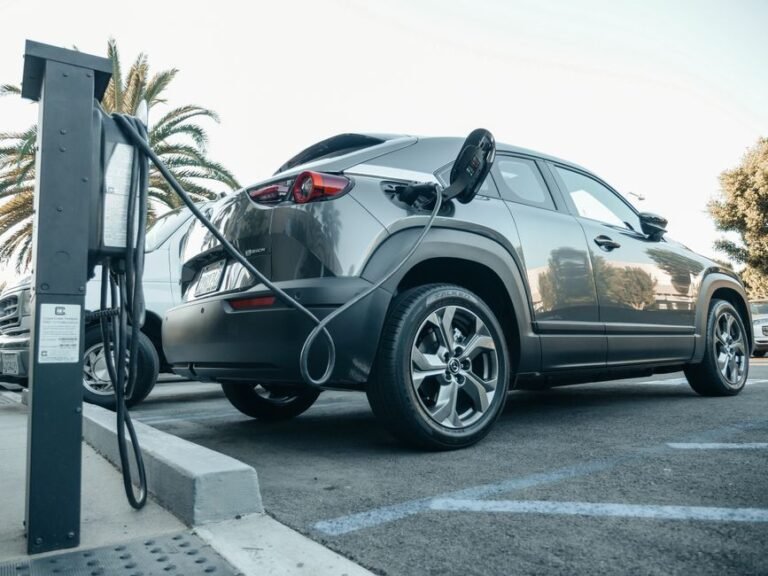
Yes, routing to a fast charger in your car’s built-in navigation can shorten the stop. On many EVs, that route triggers battery preconditioning for fast charging: the car starts warming the pack so it arrives at a temperature where the cells can accept high power right away.
The effect is biggest in cold weather. On a mild day, a battery that has been driven on the highway for an hour is often warm enough already, and you may notice little difference.
Why temperature limits charging speed
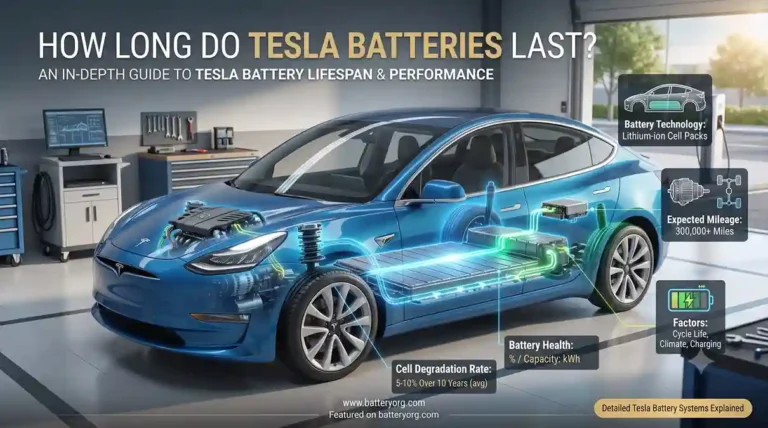
Lithium-ion cells charge by moving lithium ions into the anode. When the cells are cold, that movement slows down, and pushing high current into a cold cell risks lithium plating, a buildup of metallic lithium on the anode that permanently costs capacity. The battery management system knows this and caps charging power until the pack warms up.
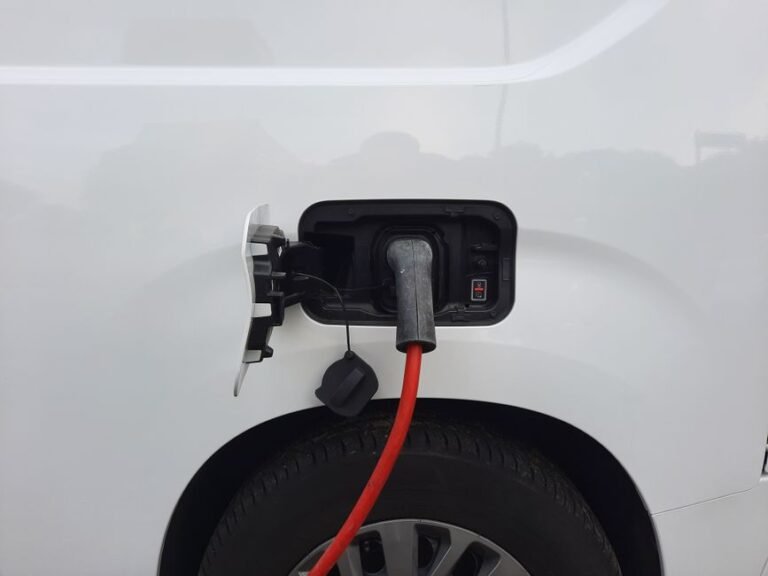
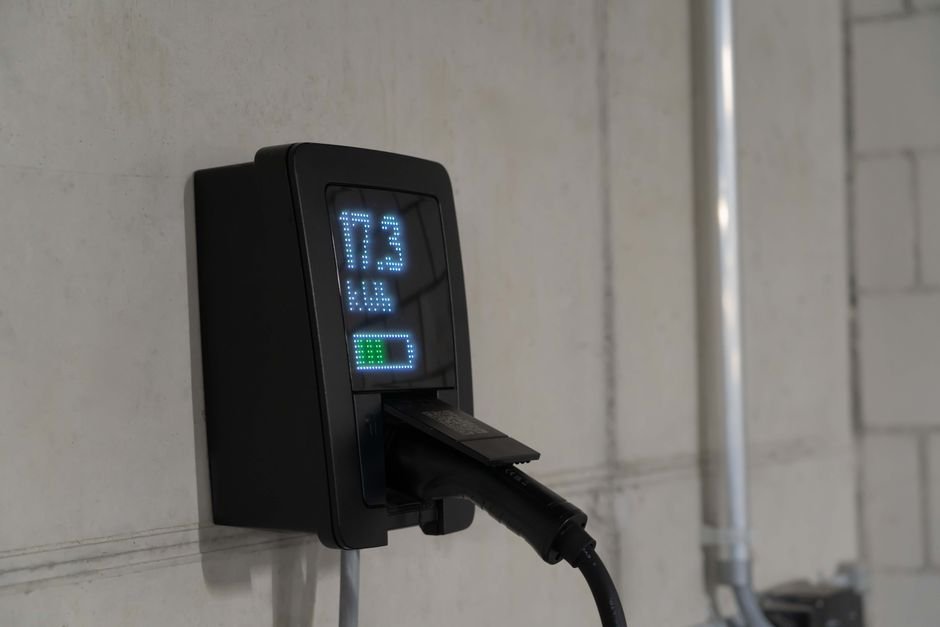
So a car that pulls into a 150 kW or 350 kW station with a cold pack may start well below its advertised peak and creep up slowly. The station is fine. The car is protecting itself. Our explainer on how battery management systems protect a pack covers the other limits it enforces.
Preconditioning solves this by using a heater or heat pump, powered by the battery itself, to bring the pack into its preferred range before you plug in. The exact target temperature and how long it takes vary by manufacturer, battery chemistry and outside conditions. In deep cold it can take the better part of half an hour or more, which is why the car starts early.
How to trigger battery preconditioning for fast charging
The details depend on the car, so check the owner’s manual, but the common patterns are:
- Automatic via navigation: set a DC fast charger as the destination in the car’s own navigation system. Many models start preconditioning on their own when the route ends at a compatible charger.
- Manual button: some models add a menu option to precondition for charging, useful when you are not using the built-in maps.
- Nothing at all: some older or lower-cost EVs lack battery heating for charging, and some only warm the pack while plugged in.
A common catch: phone-mirrored navigation like Apple CarPlay or Android Auto usually can’t tell the car you are heading to a charger. If you rely on your phone for directions, you may be skipping preconditioning without knowing it.
Warming the pack does use energy, so you arrive with slightly less charge than you otherwise would. In cold weather, that trade usually pays back through a faster session, but it also adds to the winter range hit discussed in our guide to cold weather EV range.
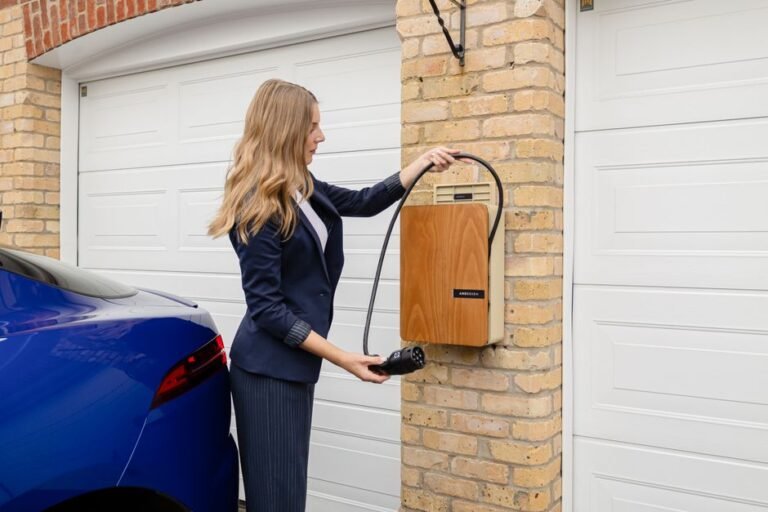
It doesn’t help much for Level 2 charging at home, where charging power is low enough that a cold pack is rarely the bottleneck. For more on how EV battery systems handle heat and cold, the Department of Energy’s fueleconomy.gov EV technology page is a clear primer.
Next winter road trip, pick the charger in the car’s own navigation before you leave the highway, not after you pull in.