Vehicle-to-Grid Battery Requirements: What a Car Actually Needs
Vehicle-to-grid battery requirements go well beyond a bigger pack. V2G lets a car’s battery discharge into a home, a building, or the grid itself instead of only accepting a charge, and that two-way flow demands hardware and battery management most EVs simply weren’t built with.
Vehicle-to-grid battery requirements start with hardware, not pack size
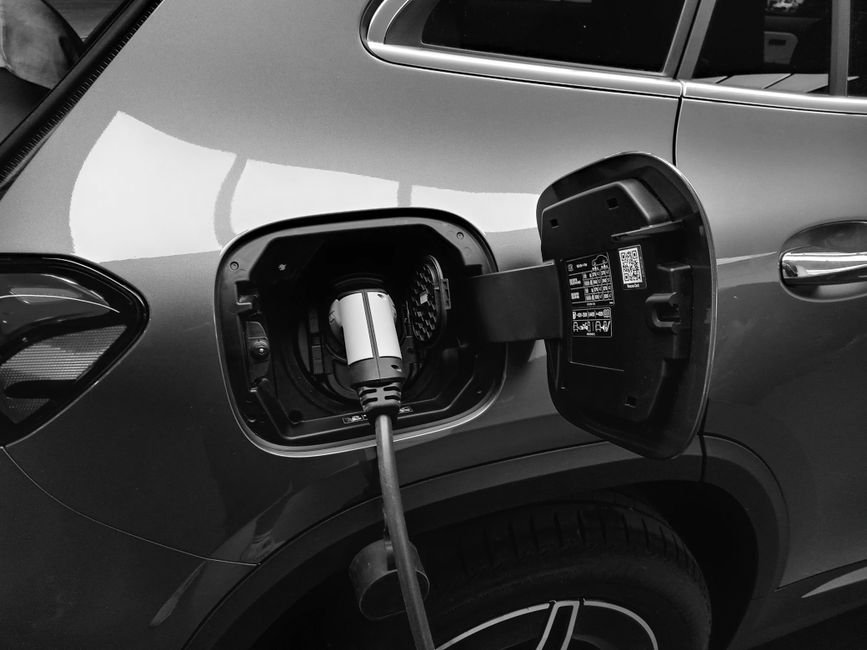
The cells themselves aren’t usually the limiting factor. What’s missing in most EVs is bidirectional power electronics — an onboard charger and inverter capable of converting stored DC power back into AC and pushing it out, plus a communication protocol that lets the car, the charger, and the grid operator agree on when and how much to draw. A handful of models ship with this built in; most don’t, and no amount of aftermarket wiring changes that without support from the automaker and the utility on the other end of the meter. Retrofitting an existing EV for V2G generally isn’t possible for this reason — the capability has to be designed into the car’s power electronics from the start, not added later through a software update.
What it asks of the pack over time
Every added discharge cycle is still a cycle. A pack that spends part of its day feeding a home during peak pricing, then recharges overnight, works through more charge-discharge cycles per year than one that only powers driving. Battery management systems in V2G-capable vehicles are tuned to account for this — pacing discharge rate, limiting how deep the pack is drawn down, and managing heat generated by the extra cycling — which is a large part of why the charging hardware installed at the home has to be rated for two-way flow, not just a faster one-way charge.
Where it pays off right now
V2G’s clearest use case today isn’t running a whole house for days during a blackout — it’s shaving peak demand, storing cheap overnight power for use during expensive afternoon hours, and pairing with home solar so a car charges from the roof by day and feeds stored power back by evening, similar in spirit to how EV charging already pairs with solar for one-way use. Utilities piloting V2G programs are mostly testing it at this smaller scale, because that’s where the current hardware and cycle budget make sense, not full-home backup. Full backup during a multi-day outage is technically possible with a large enough pack, but it draws the battery down faster than any utility program is currently designed to ask for.
The Department of Energy’s Alternative Fuels Data Center tracks how EV battery technology and grid integration are evolving, and V2G sits near the front of that curve rather than in the mainstream yet. If a dealer advertises a car as V2G-ready, ask specifically what home hardware and utility program it requires — the car being capable is only one part of a system that also needs a compatible charger and, in most areas, a utility willing to participate.
Expect the list of V2G-capable models to grow faster than the list of utilities set up to use them. The bottleneck right now is infrastructure and program design, not battery chemistry.