how long do tesla batteries last
Battery longevity is one of the most searched questions among current Tesla owners and prospective buyers alike, and it is easy to see why. The battery pack is the most expensive single component in any electric vehicle, and its condition determines how much range you get, how much the car retains its value, and ultimately how long the vehicle remains practical. Anxiety about battery degradation has been a consistent talking point since the first EVs arrived on the market — but the data accumulated over more than a decade of real-world Tesla ownership tells a far more reassuring story than the worst-case scenarios suggest.
This guide covers exactly how long Tesla batteries last across different models, what the actual degradation numbers look like from real fleet data, how battery chemistry affects longevity, what the warranty covers, and — critically — what you can do as an owner to protect your investment over the long term.
How Long Do Tesla Batteries Last on Average?
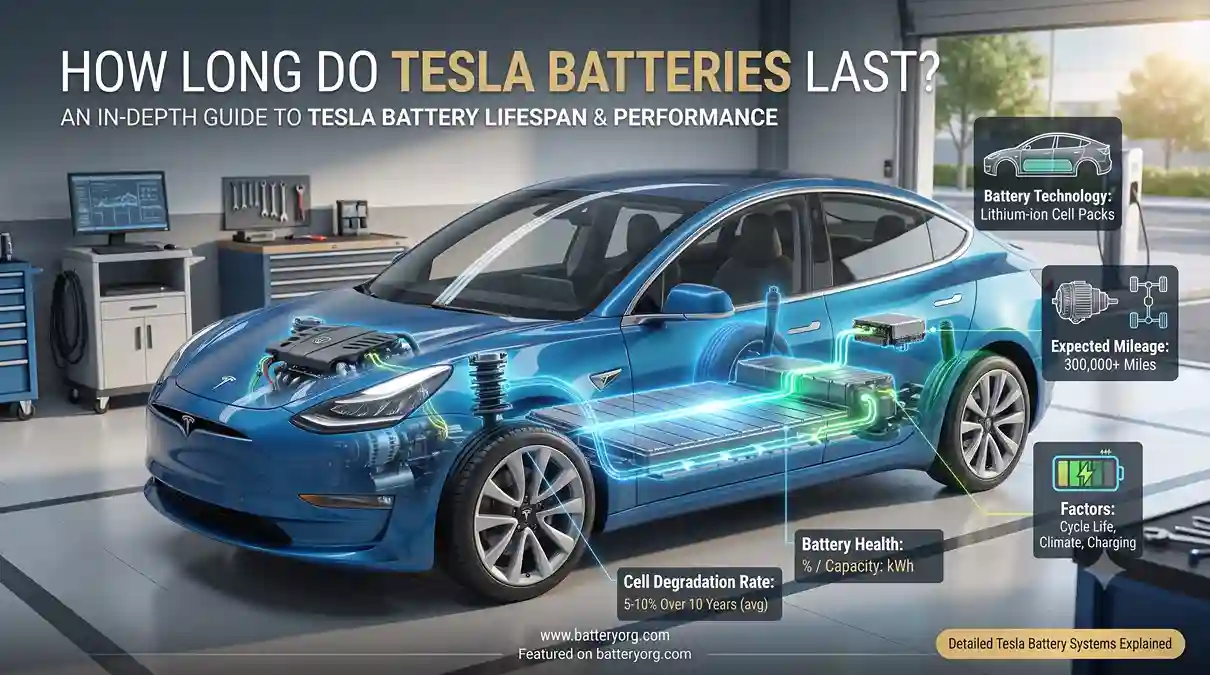
Tesla itself has stated that its battery packs are designed and tested to last between 300,000 and 500,000 miles. That figure represents the engineering target for the battery’s useful cycle life, not a warranty promise — but it provides important context. At average American driving levels of around 15,000 miles per year, a battery engineered for 300,000 miles would theoretically remain serviceable for 20 years. The vehicle surrounding it is statistically unlikely to last that long in most cases.
Real-world data collected from thousands of Tesla vehicles broadly supports the idea that these batteries are extremely durable. Fleet tracking data and independent studies show that Tesla batteries retain approximately 85 percent of their original capacity at 200,000 miles — meaning the range loss over that distance is around 15 percent of the original rating, not the dramatic collapse that battery skeptics predicted in the early EV era.
Degradation is not linear, which is an important detail. The steepest decline tends to occur in the first 20,000 to 30,000 miles as the battery management system calibrates and a protective film called the solid electrolyte interphase forms on the battery’s anode material. After this initial settling period, which typically produces a capacity loss of three to six percent, the rate of decline slows substantially — generally to about one to two percent per year under normal usage. A battery that has stabilized after the first few years is likely to remain in a similar state for many years afterward.
Tesla Battery Lifespan by Model
Degradation rates and expected lifespan vary somewhat across the Tesla lineup, primarily because different models use different battery chemistries, pack sizes, and thermal management approaches.
Tesla Model 3 Battery Lifespan
The Model 3 is the highest-volume Tesla and consequently has the largest pool of real-world battery data available. Long Range variants use nickel-based chemistry (NMC or NCA depending on production year and region) and typically see degradation in line with the fleet average — roughly 10 to 15 percent over 200,000 miles. Standard Range and Standard Range Plus models sold in recent years increasingly use Lithium Iron Phosphate chemistry, which has shown notably better long-term capacity retention in data collected from high-mileage owners.
Tesla Model Y Battery Lifespan
The Model Y shares its underlying platform and battery architecture with the Model 3, and its degradation profile is broadly similar. Long Range versions use nickel-based cells; Standard Range versions in most markets use LFP chemistry. Real-world data on high-mileage Model Y vehicles is still accumulating due to the model’s more recent introduction, but early indications align with what has been observed in the Model 3 fleet.
Tesla Model S and Model X Battery Lifespan
The Model S and Model X were Tesla’s flagship vehicles for many years and have the longest ownership histories in the fleet. Older Model S and X vehicles — particularly those from 2012 through 2016 — used NCA chemistry with smaller pack sizes compared to modern vehicles. Some early owners have reported higher-than-average degradation, partly attributable to the less sophisticated battery management software of those early years. More recent Model S and X vehicles benefit from improved thermal management and updated BMS algorithms, and their degradation profiles are closer to the current Model 3 and Y fleet.
Battery Chemistry and Why It Matters
Not all Tesla batteries are built the same way, and understanding the chemistry in your specific vehicle changes the guidance for how to care for it and what lifespan to expect.
NCA (Nickel Cobalt Aluminum)
NCA chemistry was Tesla’s primary cell type in early Model S and Model X vehicles and continues to be used in some configurations, particularly in high-performance variants. NCA cells offer high energy density — meaning more range per kilogram of battery weight — but are more sensitive to heat and high states of charge than other chemistries. Owners of NCA-equipped vehicles benefit most from keeping the daily charge limit at 80 percent and avoiding prolonged exposure to extreme heat.
NMC (Nickel Manganese Cobalt)
NMC chemistry is now used in many Long Range Model 3 and Model Y variants, particularly those with cells sourced from Panasonic or LG. NMC cells offer a good balance of energy density and stability, and they perform well under the 20-to-80 percent daily charging regime. Real-world data shows NMC-equipped vehicles maintaining approximately 91 to 92 percent capacity at 60,000 miles, with continued gentle decline thereafter.
LFP (Lithium Iron Phosphate)
LFP chemistry has become the standard for Standard Range Tesla models globally and is produced in China using CATL cells. LFP offers lower energy density than NCA or NMC — slightly reducing range per charge — but substantially higher thermal stability and dramatically better tolerance for regular full charging. Unlike nickel-based cells, LFP batteries do not degrade significantly from being kept at 100 percent state of charge. Tesla explicitly recommends that LFP-equipped vehicle owners charge to 100 percent at least once per week to allow the battery management system to calibrate accurately.
Independent data from diagnostic tools tracking thousands of vehicles shows LFP-equipped Model 3 units maintaining around 93 percent capacity at comparable mileages where NMC vehicles show 91 to 92 percent and NCA vehicles show 88 to 90 percent. The gap widens with higher mileage. For buyers primarily concerned with maximizing long-term battery retention and who can accept slightly reduced initial range, an LFP-equipped model carries meaningful advantages.
Tesla’s Battery Warranty: What It Covers
Every Tesla comes with a Battery and Drive Unit Limited Warranty that applies for eight years regardless of model. The mileage limits, however, differ by model and configuration:
- Model 3 Standard Range: 8 years or 100,000 miles, whichever comes first, with a minimum 70 percent capacity retention guarantee.
- Model 3 Long Range and Performance: 8 years or 120,000 miles, with the same 70 percent retention guarantee.
- Model Y Standard Range: 8 years or 100,000 miles.
- Model Y Long Range and Performance: 8 years or 120,000 miles.
- Model S and Model X: 8 years or 150,000 miles.
The 70 percent capacity threshold is the key figure. If your battery’s usable capacity falls below 70 percent of its original rated capacity before the warranty expires, Tesla is obligated to repair or replace the battery pack. In practice, reaching that threshold within the warranty period is uncommon based on the degradation rates described above — most vehicles retain significantly more than 70 percent at the mileage and age limits — but the coverage provides meaningful protection against premature failure and specific component defects.
For vehicles approaching the end of their warranty period, Tesla has offered an extended Battery and Drive Unit Service Agreement for qualifying models. If your vehicle is nearing the warranty boundary and you intend to keep it for many more years, it is worth checking eligibility with a Tesla service center.
What Causes Tesla Battery Degradation
Understanding degradation causes is the first step toward minimizing them. Tesla batteries degrade through several mechanisms, some of which are unavoidable and some of which are directly influenced by owner behavior.
Heat Exposure
Heat is the most significant environmental accelerator of battery degradation across all lithium-ion chemistries. Consistently parking a Tesla in extreme heat — above roughly 80 degrees Fahrenheit for extended periods — accelerates the chemical reactions that reduce battery capacity over time. Tesla’s liquid thermal management system manages battery temperature actively during driving and charging, but prolonged exposure to ambient heat when the car is parked and not plugged in does accumulate over time.
Owners in hot climates can partially mitigate this by parking in shade or a garage, using the Tesla app’s cabin overheat protection feature (which also helps prevent excessive battery temperatures), and keeping the vehicle plugged in when parked so the thermal management system can draw power from the grid rather than the battery.
DC Fast Charging Frequency
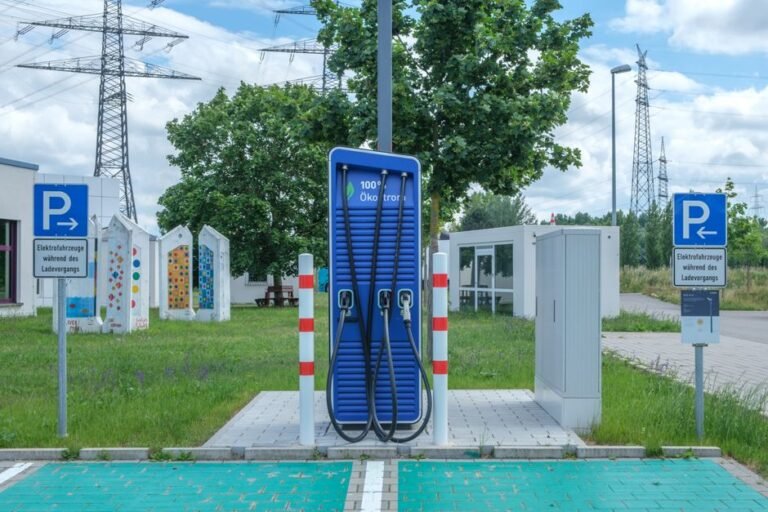
Tesla’s Supercharger network is one of the most convenient charging infrastructures in the EV industry, and using it occasionally is completely normal and fine. The concern arises when Supercharging becomes the primary method of daily charging. DC fast charging delivers high current at elevated temperatures, which places more stress on the battery cells than the lower-rate AC charging typical of a home Level 2 setup. Long-term heavy Supercharger use does show a measurable effect on degradation rates compared to primarily home-charged vehicles in comparable fleet data.
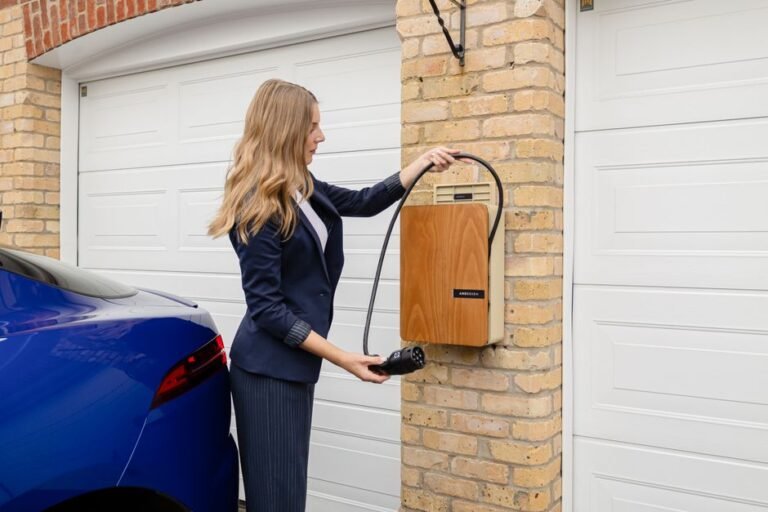
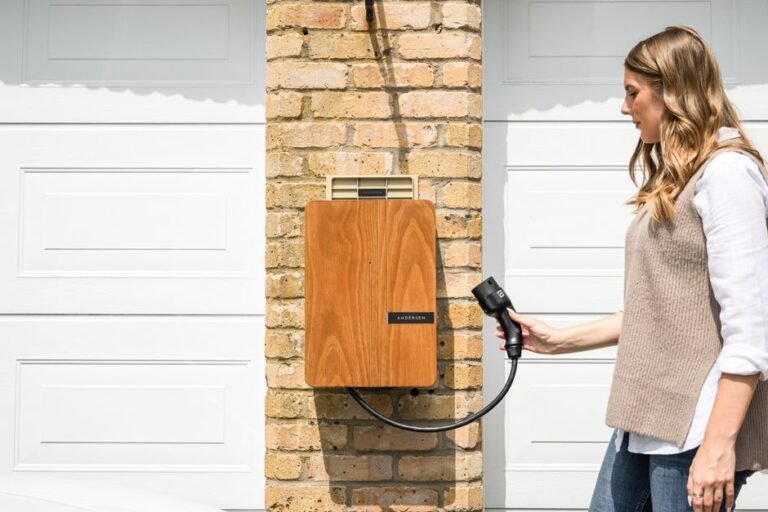
The practical guidance is to use home Level 2 charging for daily needs whenever possible and reserve Supercharging for road trips and situations where it is genuinely necessary.
High and Low State of Charge
Lithium-ion cells experience the least chemical stress when maintained in the middle of their state-of-charge range. For NCA and NMC vehicles, setting the daily charge limit to 80 percent and avoiding letting the battery drop below 10 to 20 percent before charging reduces the electrochemical stress that contributes to long-term degradation. Full charges to 100 percent are fine occasionally — for road trips or when the full range is genuinely needed — but should not be the routine daily target in nickel-based battery vehicles.
LFP vehicles follow the opposite recommendation. Their flat discharge curve means the BMS cannot accurately estimate state of charge without periodically seeing a full charge and full discharge cycle, so Tesla recommends 100 percent weekly charging for LFP-equipped models.
How to Make Your Tesla Battery Last Longer
The habits that preserve Tesla battery life are consistent, practical, and not particularly demanding:
- Set the daily charge limit to 80 to 90 percent for NCA and NMC vehicles; charge to 100 percent at least weekly for LFP vehicles.
- Use Level 2 home charging as the primary charging method and reserve Supercharging for travel.
- Use the Scheduled Departure feature to precondition the battery and cabin while still plugged in, rather than drawing on stored battery energy for warming up.
- When navigating to a Supercharger via in-car navigation, the vehicle automatically preconditions the battery for fast charging — use this feature rather than driving to a Supercharger without navigation.
- Park in shade or a covered space when possible in hot climates, and keep the vehicle plugged in to allow active thermal management when ambient temperatures are extreme.
- Avoid leaving the battery at very low charge (below 10 to 20 percent) for extended periods.
None of these practices require significant inconvenience. For most owners, setting the charge limit once and using home charging as the default covers the majority of what matters.
Tesla Battery Replacement Cost
Understanding the replacement cost helps contextualize the battery’s value within the total ownership picture. Out-of-warranty Tesla battery replacement is a substantial expense. Current estimates for a full pack replacement range from approximately $13,000 to $15,000 for Model 3 and Model Y, and $15,000 to $22,000 for Model S and Model X. Labor adds several hundred to several thousand dollars depending on the service center and model complexity.
These figures represent worst-case out-of-pocket scenarios. The overwhelming majority of Tesla owners never face an out-of-warranty battery replacement because the batteries simply do not fail at the rate these replacement costs might suggest. Module-level repairs for specific cell failures — a more targeted and less expensive intervention — are also increasingly available at Tesla service centers and some third-party EV specialists.
If you are evaluating a used Tesla purchase and battery health is a concern, requesting a battery health report through the Tesla app or a service center inspection before purchase is reasonable due diligence. You can also verify the vehicle’s complete history — including service records and any reported battery work — through the VIN. Understanding where to find the VIN number on a car is the starting point for that research. Additionally, confirming that the title is clean and the warranty is transferable is equally important when buying a used Tesla — a guide to what a car title looks like and what to look for covers that process in full.
Tesla’s 12-Volt Auxiliary Battery: A Separate Concern
Every Tesla also contains a conventional 12-volt auxiliary battery — separate from the high-voltage traction pack — that powers the vehicle’s low-voltage systems: the computers, displays, door handles, and other electronics. This smaller battery follows the same three-to-five-year lifespan typical of any conventional automotive 12-volt battery and is not covered by the same extended warranty as the traction pack.
A failing 12-volt battery in a Tesla produces distinctive symptoms — the car may fail to wake up, lock or unlock erratically, or throw errors — and is a much more affordable replacement than anything involving the high-voltage pack. Tesla and third-party services can replace it, and newer Tesla models have moved toward lithium-ion 12-volt batteries that offer longer service life than the traditional lead-acid units used in earlier vehicles. Searching Tesla 12-volt battery replacement will surface current owner guides and service pricing for your specific model.
Frequently Asked Questions
How long do Tesla batteries last before replacement?
Tesla batteries are designed to last 300,000 to 500,000 miles and are warranted for eight years across all models. Real-world fleet data shows most Tesla batteries retaining approximately 85 percent of their original capacity at 200,000 miles, and degradation slows significantly after the initial settling period. The vast majority of Tesla owners do not require battery replacement within the typical ownership window of the vehicle.
How much range does a Tesla battery lose over time?
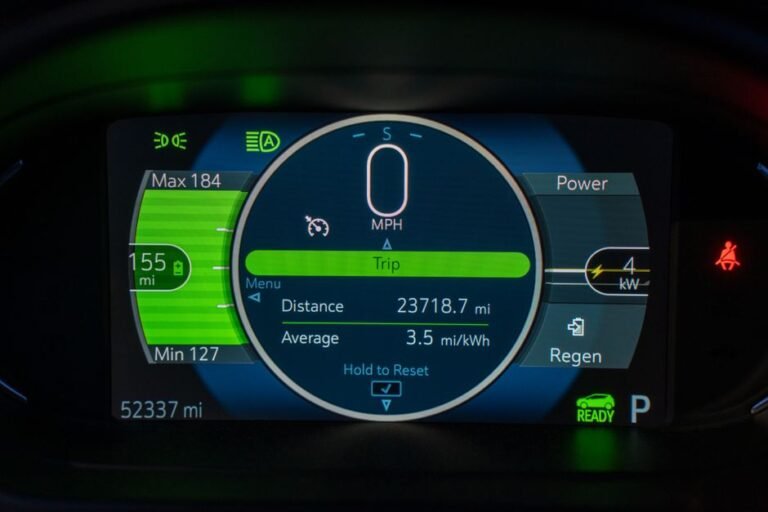
Degradation follows a curve rather than a straight line. An initial drop of three to six percent typically occurs in the first one to two years or 20,000 to 30,000 miles as the battery and BMS settle. After this stabilization phase, degradation slows to roughly one to two percent per year. At 200,000 miles, most Tesla batteries retain around 85 percent of their original capacity — meaning a vehicle originally rated for 350 miles of range would have approximately 297 miles at that mileage. Individual results vary based on chemistry, climate, and charging habits.
Does Supercharging damage a Tesla battery?
Occasional Supercharging does not meaningfully damage a Tesla battery. Tesla’s battery management system is specifically designed to protect the cells during high-rate charging. However, using Supercharging as the exclusive method of daily charging over many years does show a measurable effect on long-term degradation compared to primarily home AC charging in fleet data comparisons. For most owners, using home Level 2 charging for daily needs and Supercharging for road trips represents the right balance of convenience and battery care.
What is the difference between Tesla’s LFP and NCA/NMC batteries?
LFP (Lithium Iron Phosphate) batteries, used in Standard Range Tesla models, offer lower energy density than NCA or NMC chemistry but significantly better thermal stability and tolerance for regular 100 percent charging. LFP batteries show better long-term capacity retention in real-world data and can be routinely charged to full without the degradation penalty that regular full charging imposes on nickel-based cells. NCA and NMC batteries, used in Long Range and Performance models, offer higher range per charge but benefit from a daily charge limit of 80 percent to minimize long-term wear.
Is a used Tesla with high mileage a good buy?
A used Tesla with high mileage can represent excellent value if the battery has been well maintained and tests within acceptable degradation parameters. Because Tesla battery degradation slows substantially after the initial period, a 100,000-mile Tesla is not necessarily in significantly worse battery condition than a 60,000-mile example of the same model. Requesting a battery health report, reviewing the service history via VIN, confirming the warranty status, and having an independent inspection performed are the key steps before purchasing any high-mileage used Tesla.
Conclusion
Tesla batteries last considerably longer than early EV skeptics predicted, and the real-world data accumulated over more than a decade of high-volume ownership supports that conclusion clearly. The batteries are designed for 300,000 to 500,000 miles, are warranted for eight years, and typically retain around 85 percent of their original capacity at 200,000 miles under normal ownership conditions.
The chemistry in your specific vehicle matters — LFP batteries tolerate regular full charging and show slightly better long-term retention, while NCA and NMC cells benefit from the 20-to-80 percent daily charge regime. Heat, frequent DC fast charging, and extreme states of charge are the primary factors within an owner’s control. Manage those three variables thoughtfully, and a Tesla battery purchased today is very likely to remain the vehicle’s original pack for the entire duration you own it.