EV Towing Capacity Factors: Why a Trailer Cuts Range So Hard
An EV’s towing rating is set by its chassis, brakes, cooling and hitch, not by how much torque the motors make. The number that surprises owners is range: hook up a trailer and a full battery can cover far less distance than the sticker suggests.
Electric motors produce plenty of pulling force from a standstill, so it is tempting to assume any EV can tow like a truck. The real EV towing capacity factors are the same structural limits that apply to gas vehicles, plus one that matters more for electric ones: energy stored on board.
What sets the tow rating
Manufacturers rate towing based on the weakest link in a chain of parts. That chain includes the frame or unibody, the suspension, the brakes that must stop the combined weight, the cooling system for the motors and battery on long climbs, and the hitch receiver itself. Some EVs built on car platforms carry modest ratings or none at all in certain markets, even with strong motors.
Several weights matter, and your owner’s manual and door-jamb placard list them for your specific trim:
- Maximum trailer weight: the heaviest trailer the car is rated to pull
- Tongue weight: the downward load on the hitch, which counts against payload
- Payload: passengers, cargo and tongue weight combined, often lower in EVs because the battery is heavy
- Gross combined weight rating: the car, everything in it and the trailer together
Exceed any one of these and you are over the limit, even if the trailer alone is under the headline tow rating. Ratings also differ by trim, wheel size and optional tow packages, so check the figures for your exact car rather than a model-wide number.
EV towing capacity factors that hit range
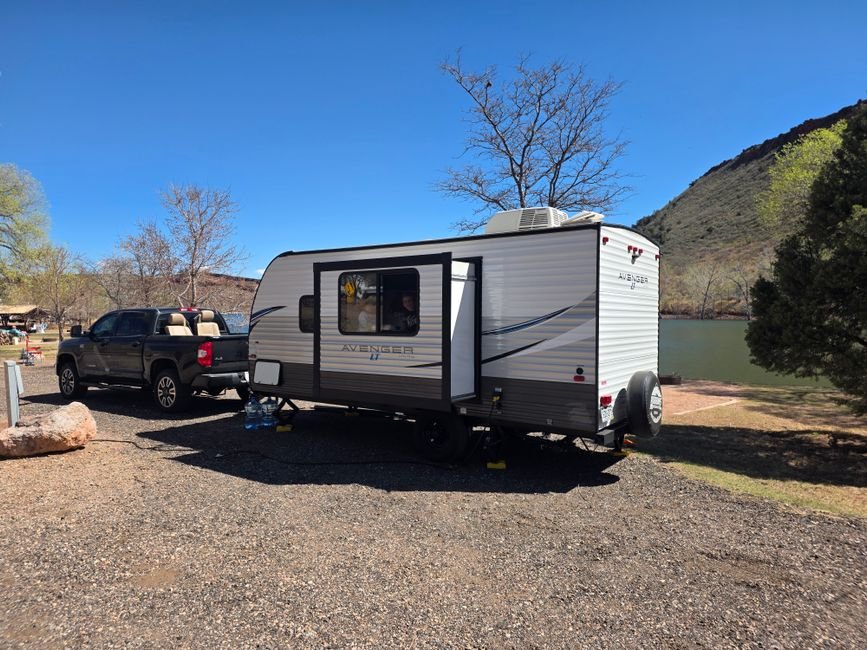
A trailer adds weight, but its bigger cost at highway speed is aerodynamic drag. A tall, flat-fronted camper can be far worse than a heavier but low, open utility trailer. Owners and independent tests commonly report range losses somewhere between about a third and more than half while towing, and the result varies widely with trailer shape, weight, speed, terrain and temperature. Gas trucks lose efficiency too, but they refuel in minutes, which hides the problem.
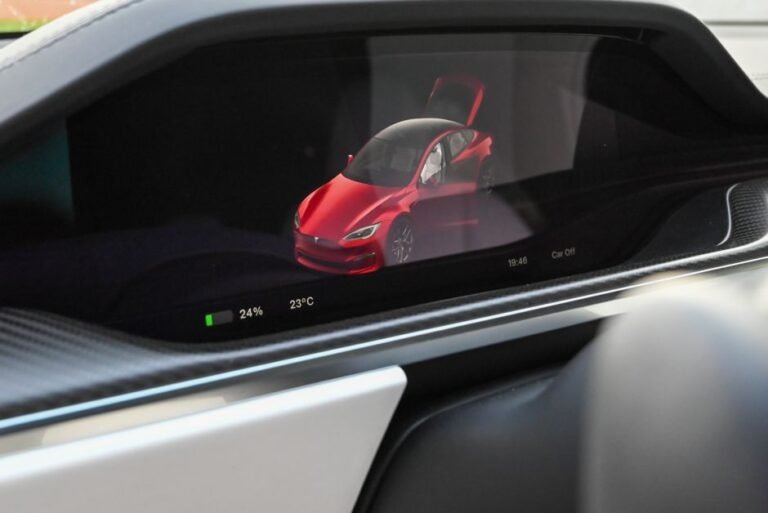
Speed makes the biggest difference. Dropping from 70 to 60 mph with a trailer attached can recover a meaningful share of lost range. Some EVs offer a tow mode that tells the range estimate a trailer is attached; if yours does, use it, and still build in a buffer. Start with your untrailered efficiency from working out your real-world range, then plan stops as if you will get half of it.
Hills cut both ways. Long climbs drain the battery quickly, while descents return some of that energy through regenerative braking. Recovery is always less than what the climb cost, and the car’s friction brakes still need to be in good shape for the combined weight.
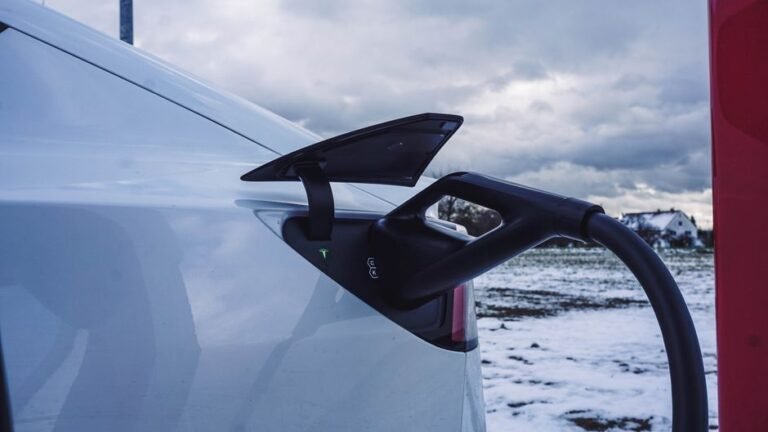
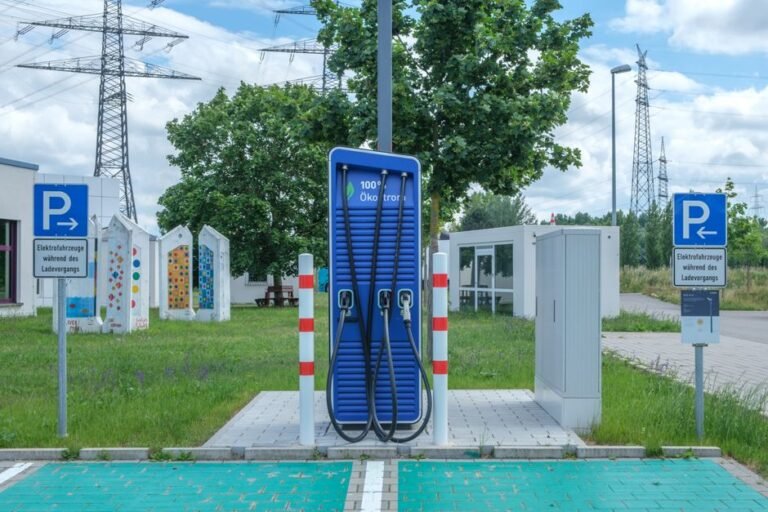
Charging adds a practical snag. Most fast-charging stalls are pull-in spaces, so with a trailer you may need to unhitch, block several spots, or seek out the growing number of pull-through stalls. Check stall layouts in your charging app before relying on a stop. You can compare official range ratings across models on the government’s fueleconomy.gov EV listings, but remember those ratings assume no trailer.
For occasional short tows, most rated EVs cope well. For regular long-distance towing, run a test loop with the loaded trailer before you commit to a route.