How to Prepare Your Car for a Long-Term Storage Period
What protects a stored car isn’t luck — it’s the battery, the fuel, and the tires, handled in the right order.


What protects a stored car isn’t luck — it’s the battery, the fuel, and the tires, handled in the right order.

Automatics have closed the efficiency gap that used to favor manuals; what’s left is mostly about control, not the old fuel-economy argument.
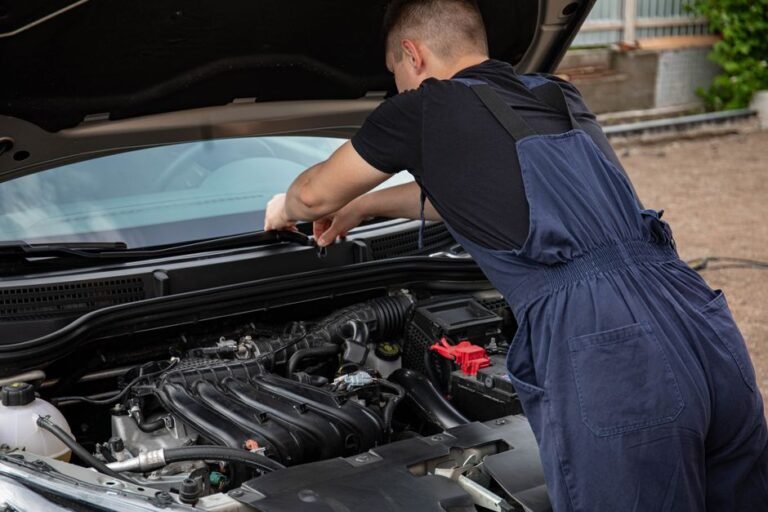
Whether a new sound under the hood is urgent usually comes down to its pattern, not its volume.
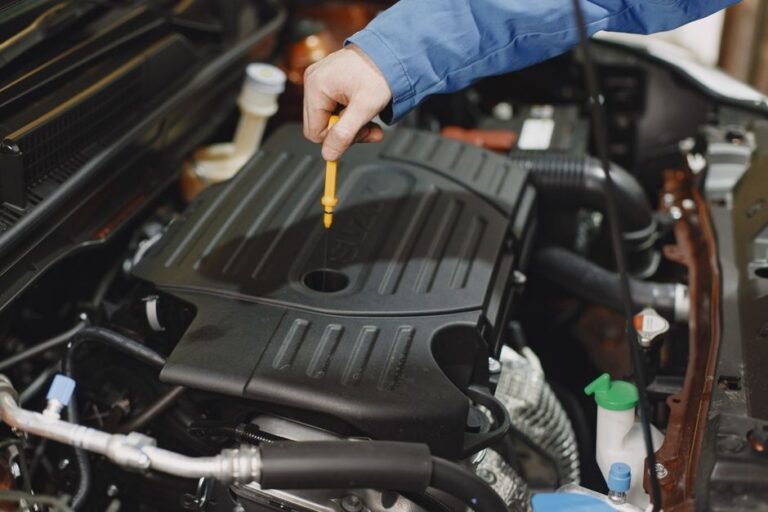
A flush replaces nearly all the fluid at once instead of just what’s in the pan, but that isn’t automatically the better choice.

A spare tire loses air and ages on the same clock as your other tires — the difference is nobody checks it until it’s too late.

The mileage on the sticker is a starting point; airflow, smell, and blower noise tell you when a cabin filter is really overdue.

Why an ordinary commute usually qualifies as severe service, and what actually changes on that shorter maintenance schedule.

What manufacturer CPO certification actually guarantees, what it doesn’t, and the questions to ask before you sign.
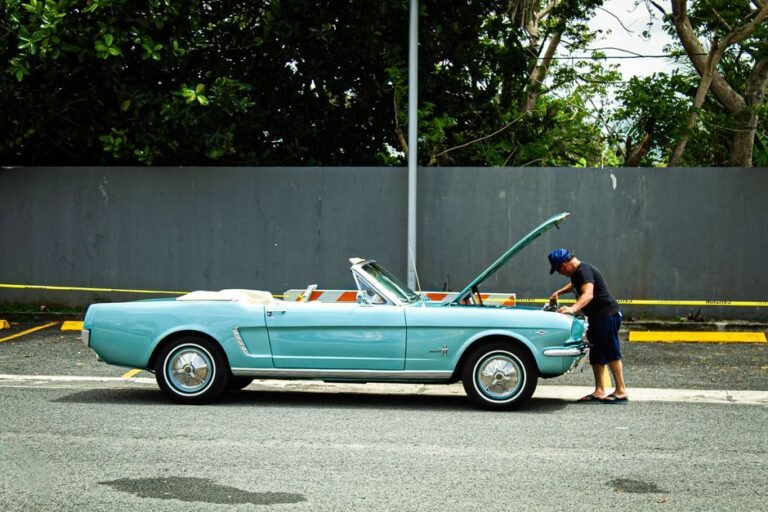
What to do in the first two minutes if your temperature gauge climbs, and the coolant leaks, thermostats, and fans usually behind it.
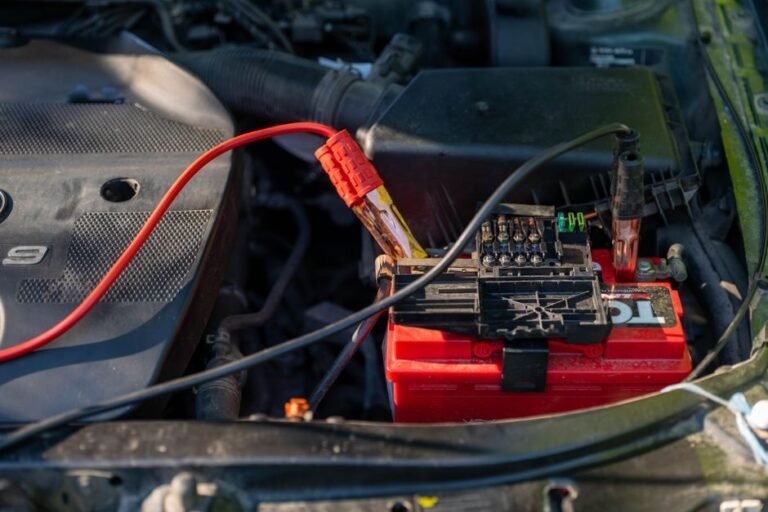
The cable order that actually prevents sparks near the battery, and the other jump-starting mistakes that damage a car’s electronics.
End of content
End of content