
Why Spare Tires Fail Right When You Need Them
A spare tire sits untouched for years, so it’s easy to assume it’ll be fine whenever you finally need it. It usually isn’t. The most common reason a spare fails on the side of the road isn’t the tire itself — it’s air pressure that dropped slowly over months while nobody checked it, or a full-size spare that aged out without ever rotating into use.
The maintenance a spare needs even though it never gets used
Tires lose air gradually through the rubber itself, even with no puncture and no damage — typically a pound or two of pressure per month. A spare that started at the correct pressure a year ago can be significantly underinflated by the time you need it, and a compact spare has very little tread margin to begin with. Check it with a gauge on the same schedule as your regular tire rotation — it takes thirty seconds and it’s the cheapest insurance in the trunk.
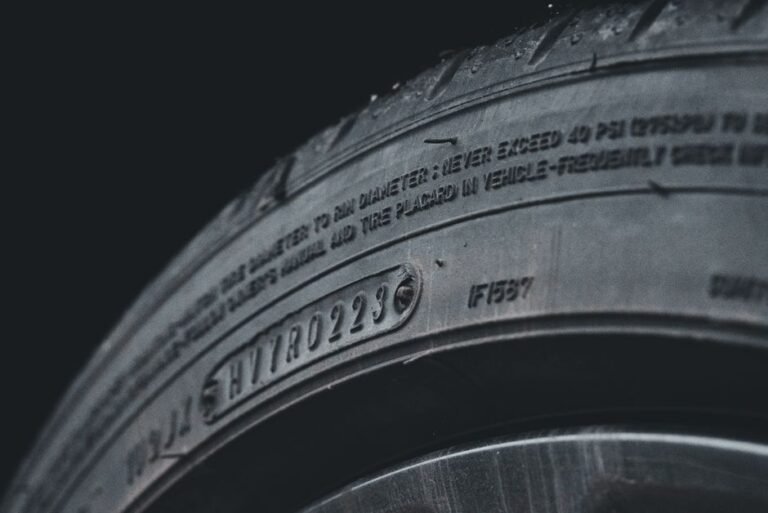
Rubber also degrades with age regardless of mileage, through exposure to heat and slow chemical breakdown, which is why a spare that looks fine can still be unsafe well past a certain age. Check the manufacture date molded into the sidewall, in the same place as the other numbers described on a tire’s sidewall, and treat a spare older than six to ten years as suspect even if the tread looks untouched.
Full-size versus compact changes the math
A full-size spare that matches your other four tires can be rotated into regular use so it wears evenly and never sits idle for years at a time. A compact "donut" spare can’t be treated that way — it’s built for limited speed and distance only, and its main job is getting you to a shop, not replacing a flat for the rest of a trip. Either way, it still loses air and ages on the same clock as a tire in use.
Where the spare is mounted matters too. Underbody-mounted spares on trucks and SUVs are exposed to road salt, debris, and moisture, which can seize the retaining bolt or cable over time. A spare that’s mechanically fine but impossible to lower because the release mechanism has corroded is functionally the same as no spare at all. Working the release once or twice a year, and keeping it lightly lubricated, prevents that surprise on the one day you actually need it.
Check it before a trip, not during a breakdown
The right time to find a low or aged spare is in a driveway with a tire gauge, not on a shoulder in the dark. Add a two-minute spare check to whatever you already do before a longer drive, alongside items on a general pre-road-trip checklist. The Department of Energy’s vehicle maintenance guidance treats tire condition as routine upkeep for the same reason — it’s cheap to check and expensive to ignore. A spare in good shape is one less thing that can turn a routine flat into a longer ordeal.