
What “Severe Service” Actually Means for Your Maintenance Schedule
Check your owner’s manual and there are usually two severe service maintenance schedule columns next to the normal one, with shorter intervals for oil, filters, and fluid changes. Most drivers assume “severe” means towing or off-roading. It doesn’t. It means how most people actually drive.
The definition is broader than it sounds
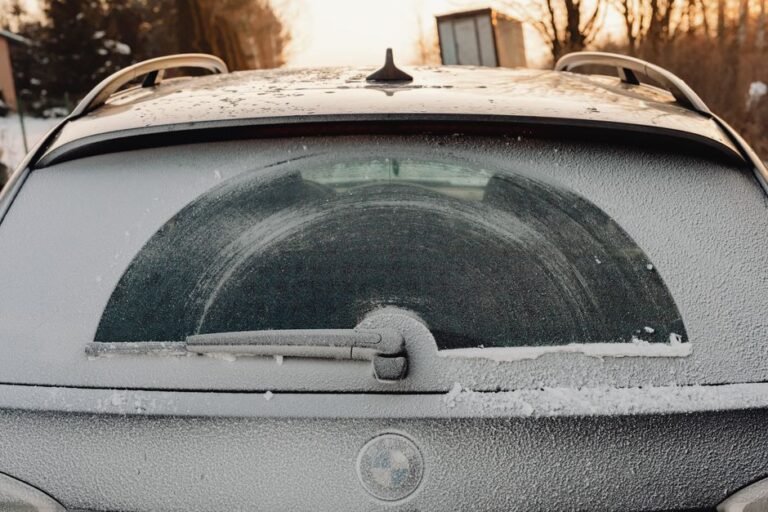
Manufacturers typically define severe service as: frequent trips under five miles, stop-and-go city traffic, extended idling, dusty or unpaved roads, extreme heat or cold, and towing. Anyone commuting through city traffic, living somewhere with real winters or summers, or mostly making short errand runs is already in the severe category, whether or not the car ever leaves pavement. Read the fine print in the maintenance section of the manual rather than skimming the summary table — the qualifying conditions are usually spelled out in a paragraph most people skip.
The reason short trips count is that the engine rarely reaches full operating temperature, which lets condensation and unburned fuel contaminate the oil faster than a long highway drive would. Stop-and-go traffic adds more engine cycles and more heat-cool stress per mile than steady cruising, which shortens the useful life of oil and some drivetrain fluids.
What changes on the severe schedule
Oil changes typically move up, often to roughly half the normal-schedule mileage interval, though the exact number is manufacturer- and engine-specific and belongs in your owner’s manual, not a shop’s generic sticker. Air filters, cabin filters, and transmission fluid usually get shorter intervals too, since dust and heat cycling hit those systems the hardest under the conditions that define severe service. Coolant and brake fluid changes can also move up on some schedules, since heat cycling breaks down both faster than steady highway driving would.
A dealer or independent shop that only follows the normal schedule on a car that’s driven under severe conditions most of the time is setting you up for premature wear that shows up later as a bigger repair — sludge buildup, a transmission that shifts rough sooner than it should, or a check engine light from a fouled sensor.
The Department of Energy’s vehicle maintenance guidance covers how driving conditions affect service intervals in more general terms if your manual is vague on specifics. When in doubt about which column applies, ask the dealer directly which schedule your driving pattern falls under — most service advisors will tell you honestly if you ask, since it’s a routine question, not an unusual one.
This matters most for two things already covered here: how often you’re due for an oil change, and whether your tire rotation interval needs tightening to match. Both are cheap to do on schedule and expensive to catch up on after the fact.
If you’re not sure which schedule applies to your driving, default to severe. It costs a little more in oil changes and filters over a year, and it’s a lot cheaper than finding out the hard way that your daily five-mile commute qualified the whole time. The cost difference between the two schedules is a few oil changes a year; the cost of guessing wrong is a transmission or engine job.