
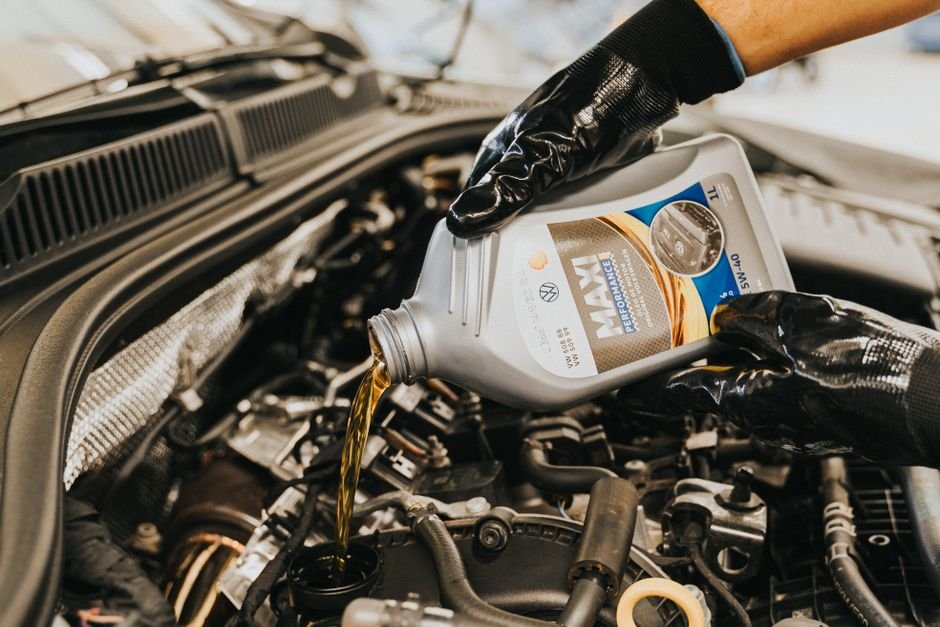
Synthetic vs Conventional Oil: Where the Difference Matters
Synthetic oil resists heat better and lasts longer between changes than conventional oil — but that gap matters more in some engines than others. For a lot of daily driving, either one gets the job done; the real question is whether your specific engine and habits make the upgrade worth the cost.
What differs chemically
Conventional oil is refined from crude oil with less uniform molecule sizes, while synthetic oil is engineered for a more consistent molecular structure, which resists breaking down under high heat and flows better in cold starts. That translates into longer intervals between changes and slightly better protection during extreme temperature swings. The molecular consistency also means synthetic oil resists forming sludge and deposits inside the engine over time, which matters most in engines that see a lot of short trips, since those trips don’t get the oil hot enough to burn off condensation and byproducts the way a longer highway drive does.
Where it’s worth paying for
Turbocharged engines run hotter, and vehicles that tow, do a lot of stop-and-go driving, or operate in extreme climates tend to benefit most from synthetic’s added heat resistance. Many newer engines are designed around synthetic oil’s properties and specify it in the owner’s manual, in which case it isn’t optional in the first place. High-mileage engines are a separate case worth mentioning: some synthetic blends are formulated specifically for engines past 75,000 miles, with additives meant to help aging seals stay pliable rather than just protecting against heat. The same logic applies to other maintenance items that are cheap on schedule and expensive after neglect — our piece on timing belt vs timing chain maintenance covers a good example.
Where conventional oil still holds up
Older, simpler engines driven mostly in mild conditions often run fine on conventional oil for the service life the manufacturer specifies. If your manual doesn’t require synthetic and your driving is unremarkable, the cost difference may not buy you much. That said, even a mild-condition daily commute in stop-and-go traffic technically counts as “severe service” by most manufacturers’ definitions, which is worth checking before assuming your driving qualifies as unremarkable.
Switching from conventional to synthetic partway through a car’s life is generally safe and won’t cause leaks in a well-maintained engine, despite a persistent myth to the contrary — the seals in modern engines are designed to tolerate either.
What matters more than the label
Oil isn’t the only maintenance item worth putting on a schedule rather than a feeling — see our guide to tire rotation mistakes for another one that gets skipped for the same reasons.
- Follow the interval and oil weight in your owner’s manual, not a generic mileage rule of thumb.
- Check oil level and condition between changes, especially in older engines that may burn oil.
- Use an oil that meets the American Petroleum Institute certification specified for your engine, regardless of synthetic or conventional.
Check your manual before assuming either option is automatically right — the manufacturer’s spec accounts for your engine in a way a general rule never will.