What Tire Speed Ratings Mean
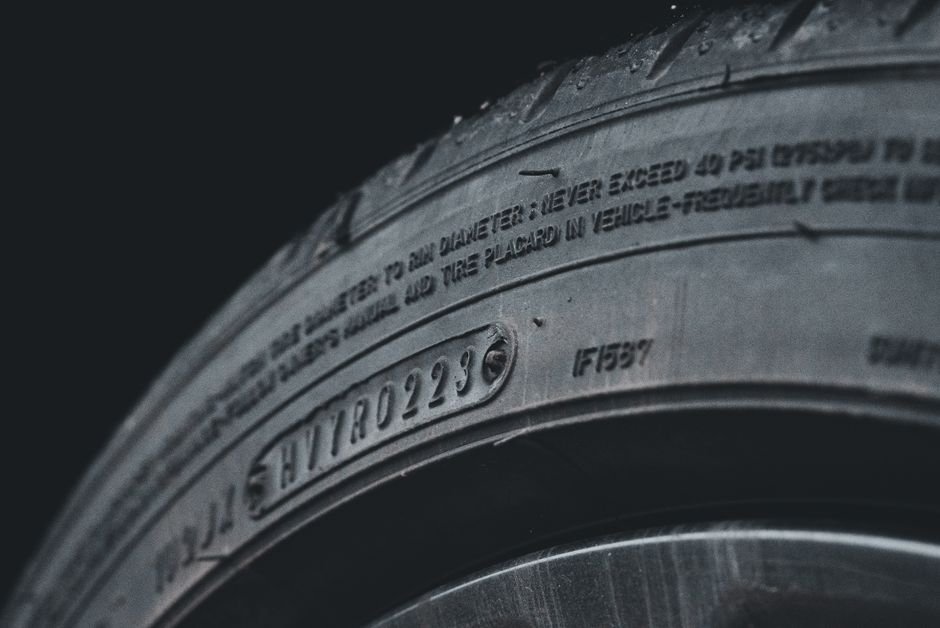
The letter stamped after the load index on your tire’s sidewall — an H, a V, a W — is the tire speed rating, and it’s a durability spec, not a speed limit you’re cleared to hit. It tells you the maximum speed the tire is designed to sustain safely under a full load for an extended period, which matters far more for heat management and handling than for how fast you’ll ever drive.
What the letter is actually rating
Tire speed ratings explained simply: as speed climbs, tires flex more and build up more heat, and heat is what breaks tires down. A tire rated H is built to handle sustained speeds up to 130 mph before that margin runs out; an S is rated to 112 mph; a V climbs to 149 mph. You’re not buying the ability to drive that fast — you’re buying a tire that stays stable, predictable, and cool at everyday highway speeds with a wide margin left over.
That margin shows up in ordinary driving as steering response and grip, not just top-end speed. A higher-rated tire generally uses a stiffer construction and different rubber compound, which is why sport sedans come stock with V or W tires while a family minivan is usually fine on an S or T.
Why matching the original rating matters
Your vehicle’s manufacturer chose a minimum speed rating as part of the whole handling package, alongside suspension tuning and weight distribution. Dropping to a lower-rated tire than what came stock can change how the car feels well before you’re near either rating’s ceiling — steering can go vaguer and braking distances can lengthen, because you’ve swapped out part of the engineering the rest of the car was tuned around.
| Rating | Max Speed | Typical Vehicle |
|---|---|---|
| S | 112 mph | Family sedans, minivans |
| T | 118 mph | Compact and mid-size cars |
| H | 130 mph | Sport sedans, coupes |
| V | 149 mph | Performance sedans, sports cars |
| W | 168 mph | High-performance and exotic cars |
Your owner’s manual and door-jamb sticker list the original equipment rating. If you’re replacing worn tires, matching or exceeding that rating keeps the car’s stability control and handling behaving the way the manufacturer calibrated it — going lower is the change that catches people off guard, usually in an emergency lane change rather than in daily driving. For the full breakdown of what else is printed on the sidewall, the rating is one piece among several worth being able to read for yourself, including load index and tire age.
If a shop tries to sell you a lower-rated tire than stock to save money, ask directly what changes in handling and heat tolerance — and check that your spare, if it’s full-size, carries a compatible rating too, since a mismatched spare tire creates the same gap in an emergency. Michelin publishes a plain breakdown of the full rating scale if you want to check a specific letter before you buy.