Why Windshield Chip Repair Beats a Full Replacement
A chip in your windshield the size of a pencil eraser will not stay that size, and the case for windshield chip repair only gets weaker the longer you wait. Temperature swings, road vibration, and a pothole or two are usually enough to send a crack running across the glass within weeks, turning a fifteen-minute fix into a full replacement.
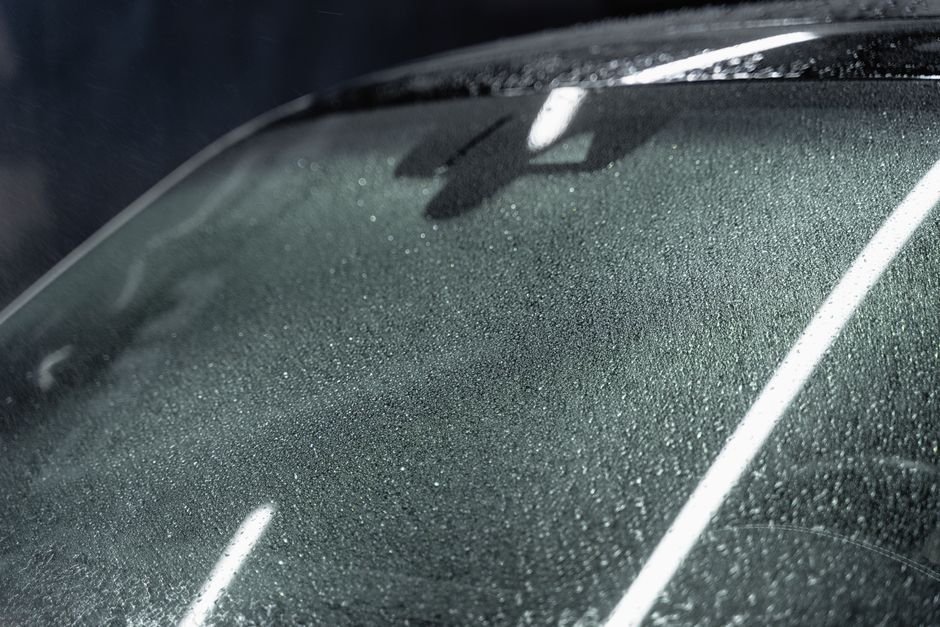
The reason chips spread comes down to how windshields are built. Auto glass is laminated — two layers of glass with a plastic interlayer between them — so a chip doesn’t shatter the whole pane, but it does leave a stress point. Every time the glass flexes from heat, cold, or a bump in the road, that stress point is where a crack is most likely to start.
When windshield chip repair still works
Repair is usually possible if the damage is smaller than a quarter and away from the edge of the glass. A technician injects resin into the chip under pressure, which stops it from spreading and restores most of the clarity, though a faint mark often remains visible at certain angles. Most repairs take twenty to thirty minutes, and many insurance policies cover it with no deductible, since it’s cheaper for the insurer than a full replacement later.
Chips near the edge of the windshield are a different story. The edge carries more structural stress, so cracks that start there spread faster and are harder to stop with resin. Cracks longer than a few inches, or chips that have already spread into a line, generally can’t be repaired — the glass needs to be replaced.
What waiting costs you
Beyond the obvious visibility problem, a compromised windshield affects more than looks. It’s part of the car’s structural safety cage and, on many vehicles, supports proper deployment of the passenger airbag. A cracked windshield that fails during a collision doesn’t do that job the way it should.
There’s a simpler cost argument too: a repair typically runs $60 to $150 depending on the shop and location, while a full replacement commonly costs several times that, plus the price of recalibrating any cameras or sensors mounted near the rearview mirror on newer cars. Getting a chip looked at within a few days — before the next long trip, the next cold snap, or the next pothole — is one of the cheaper habits in car ownership, and one of the easiest to put off. Building a quick glass check into your pre-trip routine is a simple way to catch it before it spreads.
Windshield glazing standards, maintained by groups like SAE International, exist because that pane of glass does more structural work than most drivers realize — one more reason a small chip is worth treating as a small job now rather than a big one later.
Weather plays a bigger role than most drivers think, too. A chip that’s held steady all summer can spread the first cold morning it’s hit with hot defroster air, since the sudden temperature swing across the glass puts real stress right at the damaged spot. If a chip appears right before a cold snap, treat it as more urgent than it looks rather than assuming it’ll hold until a more convenient weekend.