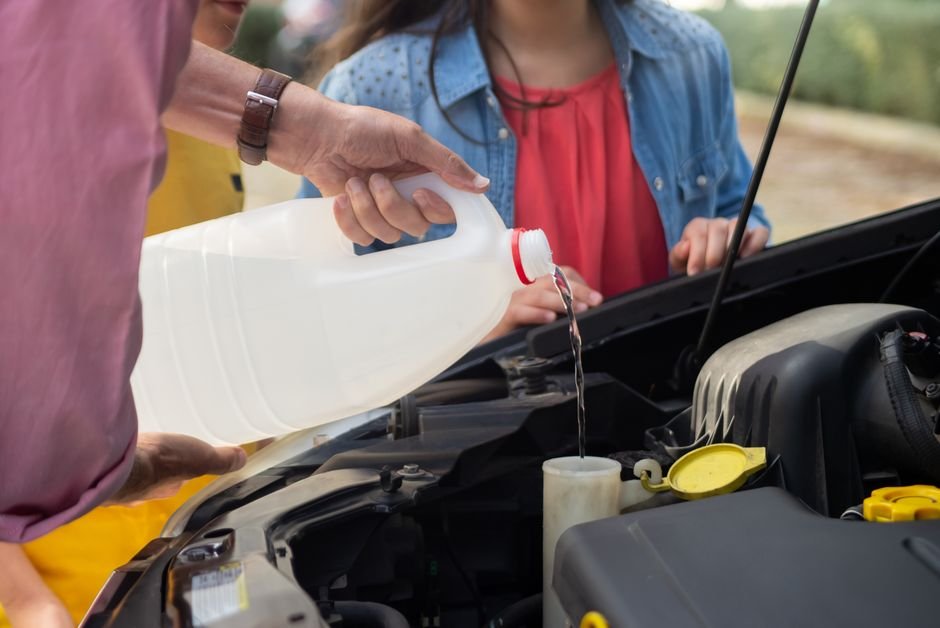
How to Choose the Right Wiper Fluid for Winter
Summer washer fluid is mostly water, and water freezes. Run it through your washer lines on a cold morning and you risk a cracked reservoir, a split pump, or a line that just won’t flow until things thaw out — so the short answer is: switch to a winter-rated fluid before the first hard freeze, not after.
Winter wiper fluid is built around methanol or a similar alcohol instead of mostly water, which lowers its freezing point well below what summer fluid can handle. Bottles are usually labeled with the lowest temperature they’re rated for — common options are -20°F, -30°F, or -40°F. Buy for the coldest night your area actually sees, not the average, since a fluid rated for -20°F offers no protection on a night that drops to -25°F.
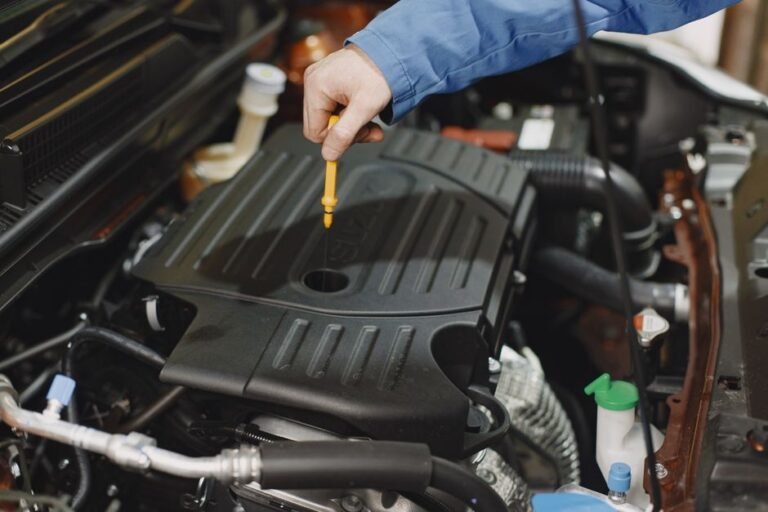
Before you fill up, flush out whatever’s left in the reservoir from summer. Mixing a small amount of leftover summer fluid into a full tank of winter fluid dilutes the freeze protection more than most people expect — a quarter tank of water-heavy residue can meaningfully raise the effective freezing point of the whole mix. Run the washers until the reservoir is close to empty, or siphon out what you can, before adding winter fluid.
What to check on the bottle
Look past the temperature rating for two more things. First, a fluid marketed as “de-icer” or “bug and ice” usually contains a stronger concentration of alcohol and sometimes a small amount of ammonia or a de-icing agent that helps break up a thin layer of frost on contact — useful if you park outside. Second, check that the fluid is safe for your washer nozzles and any coating on your windshield; most major brands are, but very cheap off-brand fluid has occasionally been linked to nozzle clogging in cold weather because it doesn’t atomize the same way through a narrow spray tip.
| Condition | What to look for |
|---|---|
| Occasional light frost | Standard winter fluid, -20°F rating |
| Regular sub-zero nights | -30°F or -40°F rated fluid |
| Frequent road salt spray | De-icer blend with added cleaning agents |
| Parked outside overnight | De-icer blend for frost breakup |
It’s also worth checking your wiper blades at the same time you swap fluid, since a blade that’s already streaking will smear winter fluid across the glass just as badly as it does anything else — if yours have been leaving marks, these are the mistakes that cause most of that streaking.
Cold weather doesn’t just affect what’s in your washer reservoir. If you’ve noticed your car struggling to start on the coldest mornings, that’s a separate issue worth looking at — extreme cold affects battery performance in every car, not just EVs, and a fluid swap is a good excuse to check both while you’re already out there. For general guidance on preparing a vehicle for winter conditions, FEMA’s winter weather readiness guidance covers the basics beyond just the washer reservoir.
One bottle of the right fluid costs less than a cracked reservoir. Don’t wait for the first cold snap to find out which one you have.