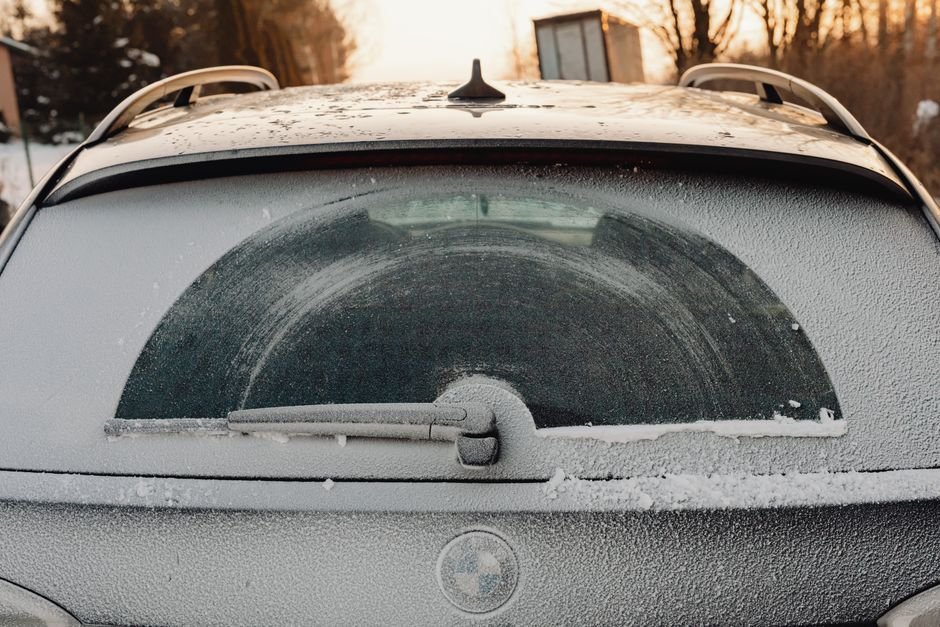
How Extreme Cold Affects Any Car’s Battery, Not Just EVs
Cold slows the chemistry inside every battery, whether it’s starting a gas engine or powering an EV. A gas car might struggle to start; an EV will typically see reduced range and slower charging — different symptoms, same underlying cause. The difference isn’t in how much either system suffers, but in how visibly it shows up to the driver.
Why cold affects any battery chemistry
Battery capacity is fundamentally a chemical reaction, and that reaction slows down when it’s cold, reducing how much power the battery can deliver at any given moment. A lead-acid starter battery can lose a meaningful share of its cranking power in freezing temperatures, which is why cold mornings are when weak batteries finally fail. This is also why a battery that tested fine in the fall can fail without warning in January — the test measured its capacity at a temperature the battery may never see again until the following spring.
Gas cars vs EVs in practice
A gas engine also needs more power to turn over in the cold because the oil thickens, compounding the battery’s reduced output right when it needs to work hardest. An EV’s range typically drops in cold weather too, both because the battery is less efficient and because cabin heating draws power from the same pack that runs the motor — preconditioning the cabin and battery while still plugged in helps offset some of that loss. Preconditioning uses energy from the wall rather than the pack itself while you’re still plugged in, so it’s essentially free range compared to letting the car warm the battery up after you’ve already unplugged and started driving.
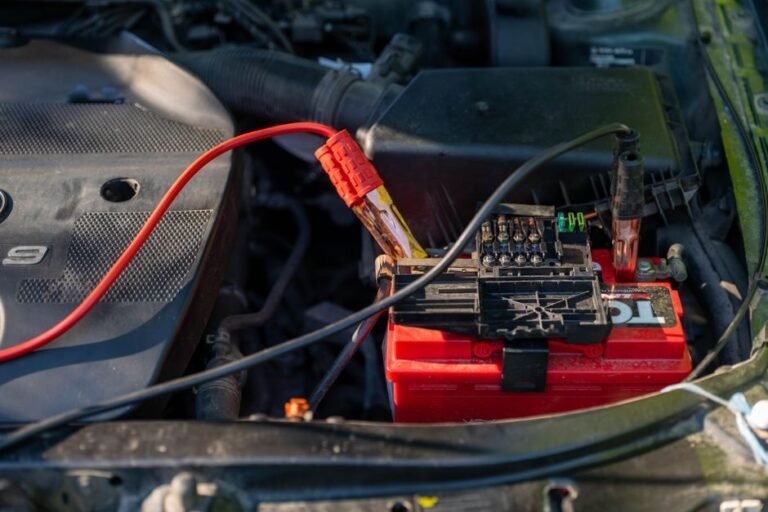
Battery age matters here more than most people realize. A battery in its first two or three years usually shrugs off a cold snap without issue, while one already past five years old is living on borrowed time the moment temperatures drop. If a car won’t start on a cold morning, jump-starting it is usually safe, but repeatedly jump-starting the same battery over several days is a sign it needs replacing, not a long-term fix.
What actually helps
- Park in a garage when possible; even an unheated one makes a difference.
- Have an aging 12-volt or starter battery tested before winter, not after it fails.
- For EVs, precondition the cabin and battery while still plugged in if your vehicle supports it.
For more on how temperature affects EV range specifically, see the FuelEconomy.gov guide to electric vehicles, for what else degrades a pack over time, our piece on what degrades an EV battery covers the rest, and before a winter road trip, our pre-road-trip checklist is worth a look.
Cold doesn’t damage a healthy battery permanently — it just reveals a weak one faster.