Where DIY Oil Changes Usually Go Wrong
Changing your own oil is one of the few repairs that genuinely saves money and isn’t hard to learn, but a handful of small mistakes turn a clean 20-minute job into a leak, a stripped bolt, or a warning light a week later. None of them require special skill to avoid — they just require knowing where people usually slip.
The drain plug and the filter are where most problems start
Overtightening the drain plug is the single most common mistake. It’s tempting to give it one more turn for good measure, but the plug seats against a crush washer, and past a certain torque you deform that washer or strip the pan threads — both of which turn a $5 part into a repair shop visit. Use a torque wrench if you have one; most passenger car drain plugs specify somewhere between 25 and 35 lb-ft, though it varies by vehicle, so check your owner’s manual rather than guessing.
Reusing the old crush washer is the second-most common shortcut, and it’s a false economy. A washer that’s already been compressed once won’t seal the same way twice, and a slow drip from the pan is easy to miss until you’ve lost a quart. Buy new washers when you buy the filter — most auto parts stores sell them for pocket change.
On the filter side, always lubricate the new filter’s rubber gasket with a bit of fresh oil before installing it. A dry gasket can bind against the mounting surface, make it hard to judge how tight is tight, and lead to either an under-tightened filter that seeps or an over-tightened one that’s a fight to remove next time.
Mistakes that show up later, not immediately
Skipping the reset on your oil life monitor doesn’t cause a mechanical problem, but it does mean the dashboard keeps counting down from the old number, so the car nags you for a change you already did — and worse, if you forget the manual reset steps, you lose the one reminder system you have for the next interval.
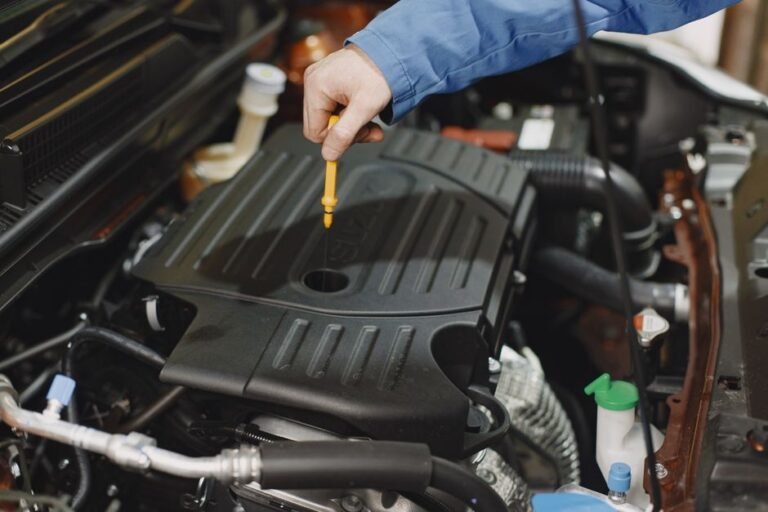
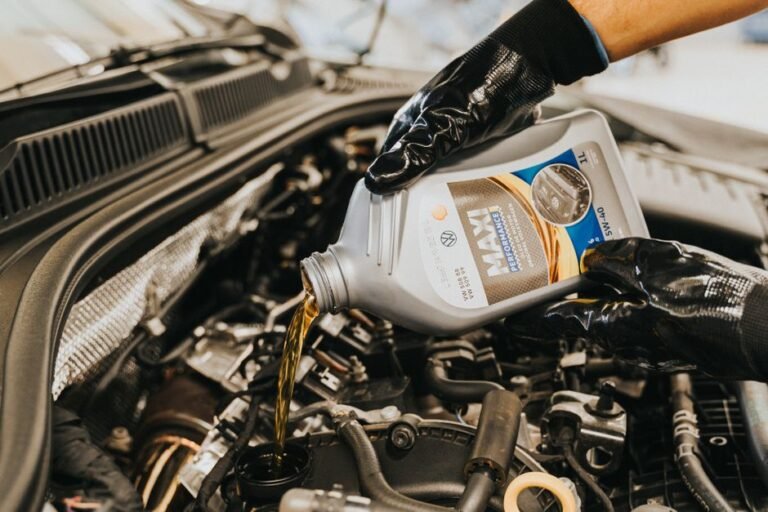
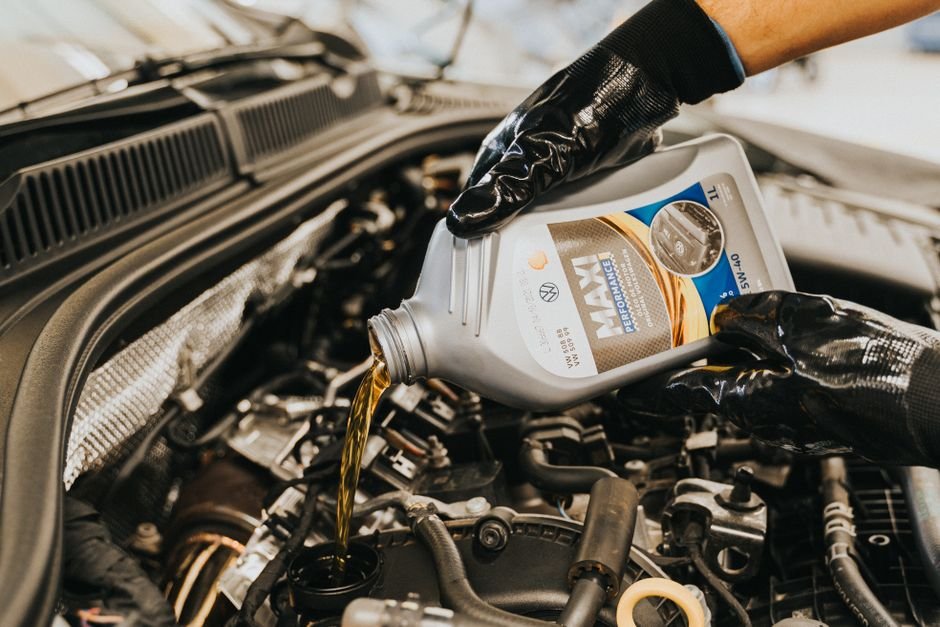
Underfilling or overfilling is easy to do without a level check. Add oil in small amounts and recheck the dipstick between additions rather than pouring in the full capacity at once and hoping the number on the bottle matches your engine exactly; running level varies slightly by vehicle and by how much oil drained out versus stayed in the old filter.
Used oil also needs to go somewhere responsible — it’s not something to pour down a drain or into the yard. Most auto parts stores and service centers accept used oil for free, and the EPA has guidance on recycling used automotive fluids if you’re not sure where your nearest drop-off point is.
If you’re deciding whether a DIY oil change is worth it compared to synthetic versus conventional oil pricing at a shop, the cost difference between the two oil types is usually a bigger factor than labor. And if you’re already under the car, it’s a reasonable time to check whether a transmission service is due, since both are mileage-based maintenance items that get ignored for similar reasons.
None of these mistakes are dramatic on their own. They just compound — a slightly stripped pan here, an unreset light there — until the job stops feeling worth doing yourself.