Manual vs Automatic Transmission: What Differs Today
The gap between manual and automatic transmissions used to be a real trade-off: automatics were simpler to drive but slower, thirstier, and less reliable long-term. Modern automatics — especially dual-clutch and multi-speed designs — have closed most of that gap, which is why manuals now make up a small share of new car sales rather than a majority.
Efficiency is no longer a clear win for manuals
For decades, a manual transmission was the fuel-efficient choice because it had less internal friction and let the driver control shift timing directly. Modern automatics, particularly those with eight or more gears or a dual-clutch design, now match or beat manual fuel economy in most published ratings, since they shift faster and hold more efficient gear ratios more consistently than most drivers do by hand. The EPA’s fuel economy comparisons are the place to check a specific model rather than assuming either transmission type wins by default — the gap varies by vehicle and powertrain.
Reliability and repair costs have converged less than efficiency
A manual clutch is a wear item that eventually needs replacing, and the cost and interval depend heavily on driving style — city stop-and-go and hill starts wear a clutch faster than highway driving. A modern automatic has more internal complexity, and when it fails, the repair or replacement bill is often higher than a clutch job. Neither is inherently more reliable across the board; a well-maintained example of either can last the life of the car, and a neglected one of either can fail early. Manufacturer service intervals differ meaningfully between the two, similar to how timing belt and timing chain intervals depend on the specific engine rather than a universal rule.
What actually still differs
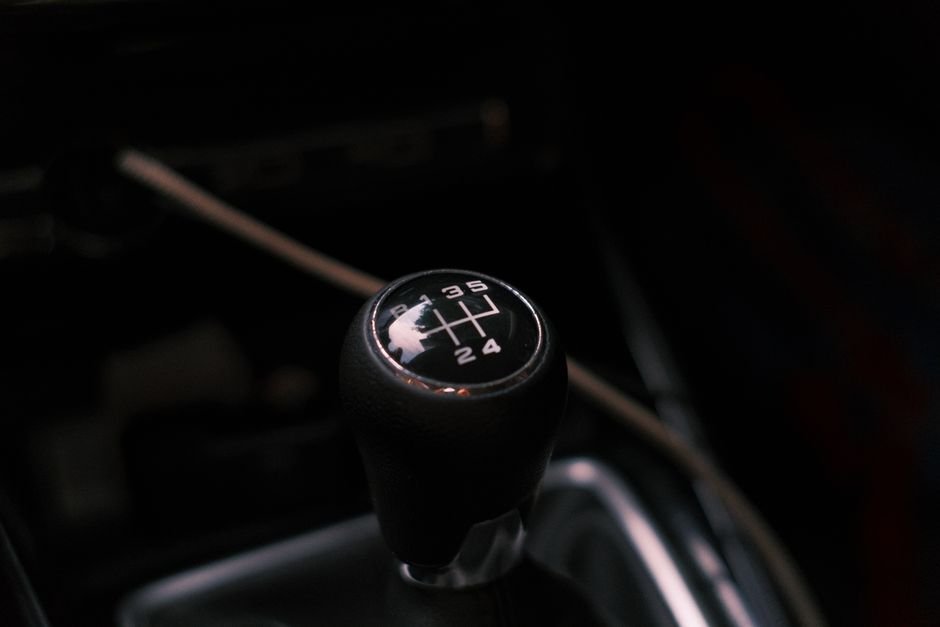
Availability is the biggest practical difference now: manuals are largely limited to sport-oriented trims, smaller economy cars, and some trucks, so choosing one narrows the model and trim list considerably. Driver engagement and control are real and haven’t converged — a manual gives direct control over gear selection and engine braking that no automatic fully replicates, which is why performance-focused buyers still seek them out. Resale value can tilt slightly in either direction depending on the model, similar to the broader factors covered in why resale value drops the way it does; a manual in a car mostly bought by enthusiasts can hold value well, while the same transmission in a family sedan can make it harder to sell.
If fuel economy or repair cost is the deciding factor, check the specific model’s numbers rather than relying on the old assumption that manual automatically wins on either. If control and engagement are what you’re after, that’s still the manual’s clear advantage, and no amount of automatic transmission software has changed it.