How to Read Your Tire’s Sidewall Numbers
The size, load index, and speed rating on a tire’s sidewall decoded in plain terms, plus the date code that tells you how old it really is.

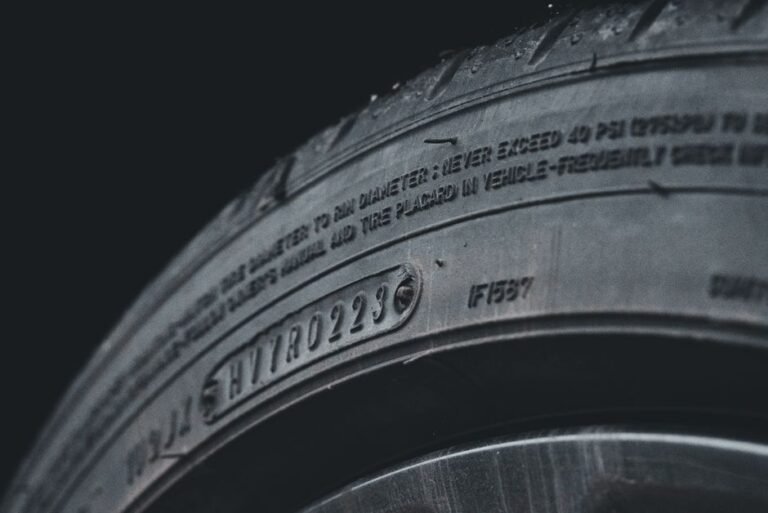
The size, load index, and speed rating on a tire’s sidewall decoded in plain terms, plus the date code that tells you how old it really is.
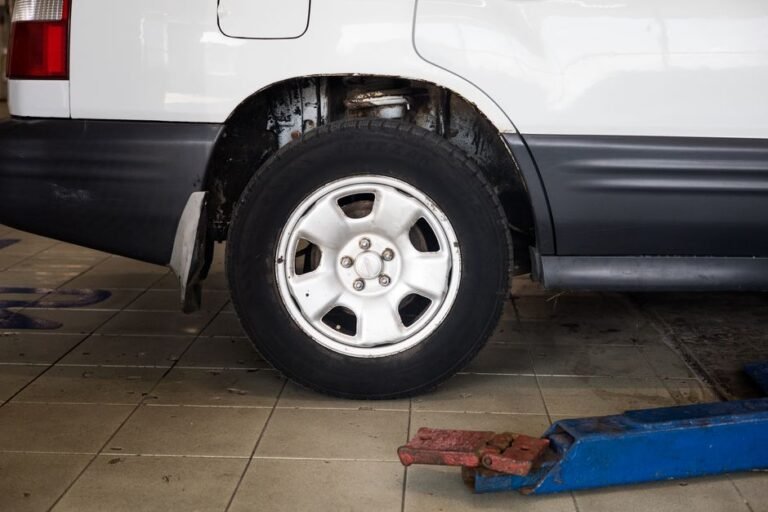
Alignment corrects camber, toe, and caster — it won’t fix a wheel balance vibration or worn suspension parts, and it’s worth knowing the difference.

Streaking and skipping wipers usually trace back to a fit, timing, or frame mistake rather than a bad blade.

A visual check through the wheel spokes, plus what different brake sounds actually mean, catches wear before it turns into a rotor problem.

The steepest part of a car’s depreciation is front-loaded into the first few years, largely tied to warranty timing.
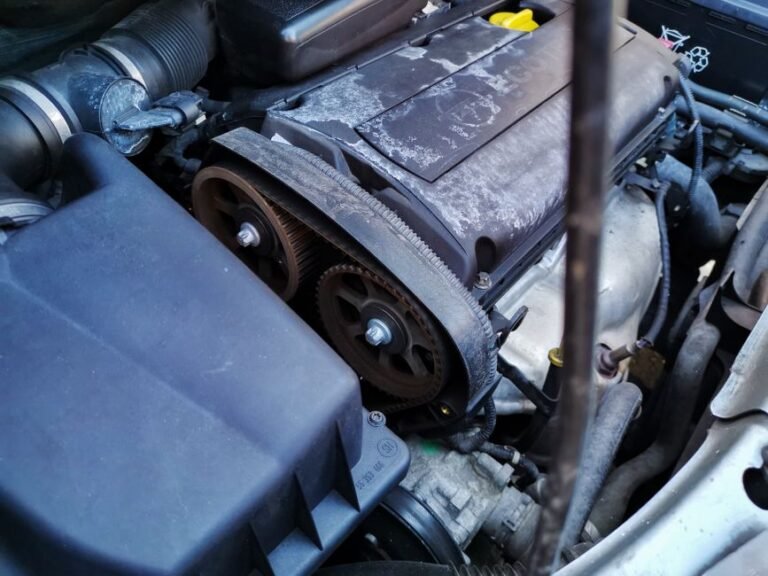
A timing belt is scheduled maintenance you can budget for; a timing chain usually lasts the life of the engine.

The checks that catch a road trip problem are the ones that take an extra ten minutes, which is exactly why people skip them.
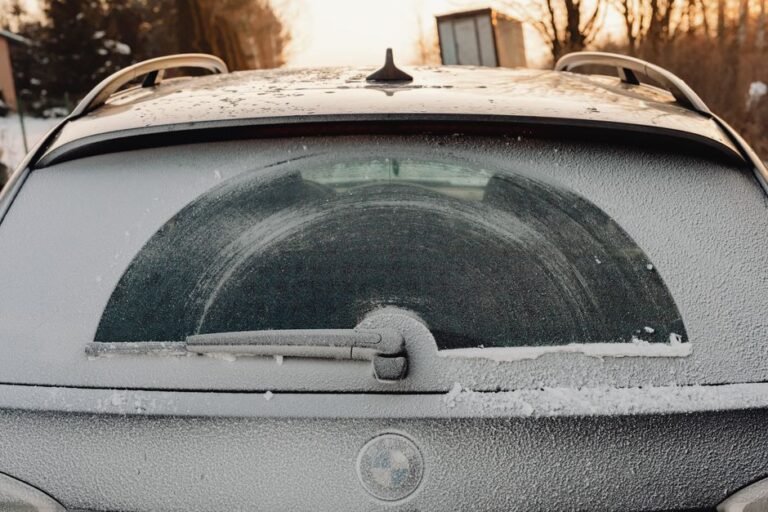
Cold weather doesn’t damage a healthy battery permanently — it just reveals a weak one faster, in gas cars and EVs alike.
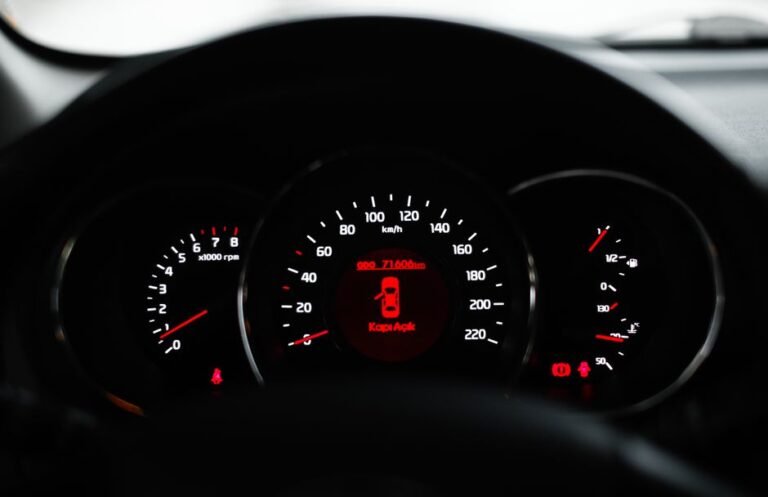
Whether a check engine light is flashing or steady says more about urgency than the light itself.
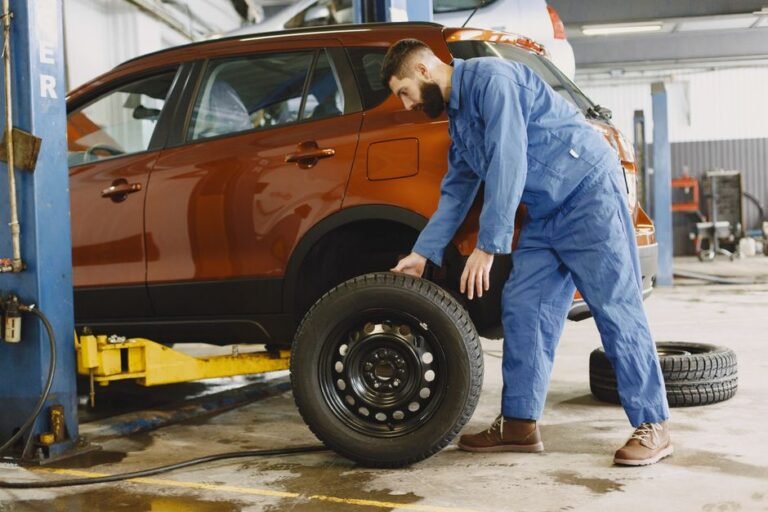
Uneven tire wear isn’t visible until it’s already cost you tread life, which is why rotation belongs on a schedule.
End of content
End of content