What Does Hybrid Car Mean?
Walk into any car dealership today and you will find the word “hybrid” everywhere — on window stickers, in the names of trim levels, in advertising copy that promises better fuel economy and lower emissions. But what does a hybrid car actually mean, and how does it differ from a conventional gasoline vehicle or a fully electric one? For a term that has been in mainstream use for over two decades, it is still widely misunderstood by many people who are actively shopping for their next vehicle.
The short answer is that a hybrid car combines two or more power sources — almost always a gasoline engine and an electric motor — to drive the vehicle. How those two sources work together, in what proportions, and under what conditions varies considerably depending on the type of hybrid. This guide breaks all of that down clearly, without the marketing language that tends to make hybrid shopping more confusing than it needs to be.
The Meaning of Hybrid in Cars
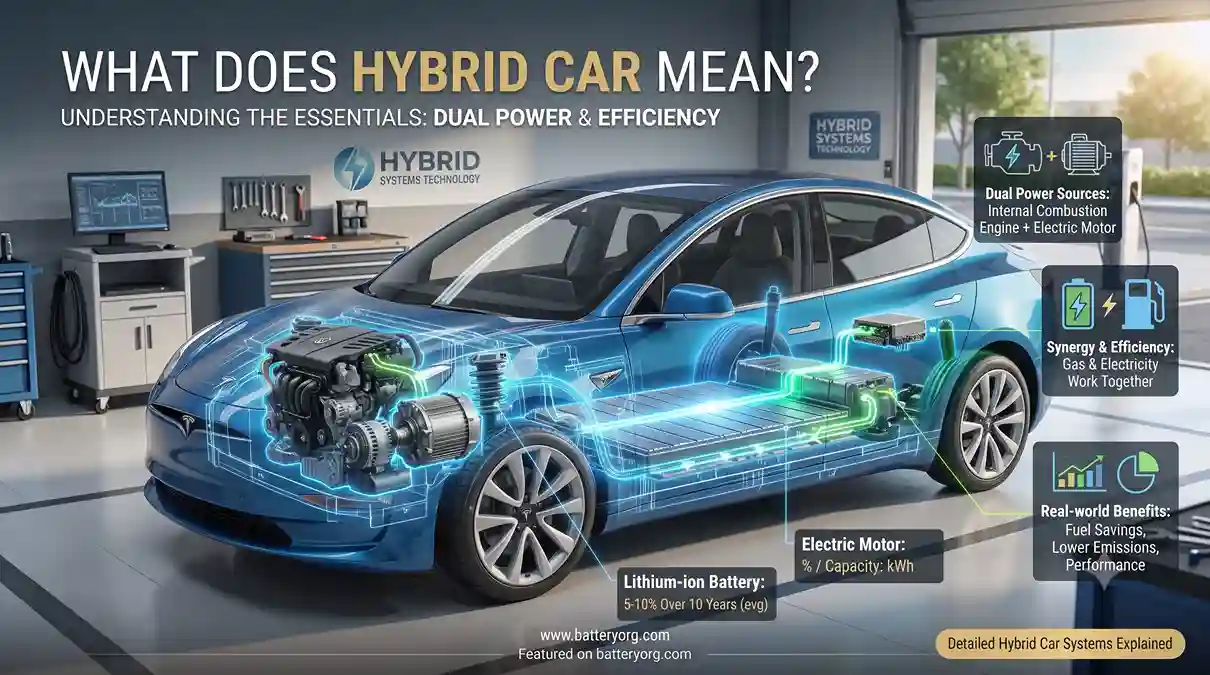
The word hybrid simply means something made from two different components or origins. In the automotive context, a hybrid car is one that draws propulsion energy from at least two distinct sources. The most common combination — and by far the most commercially dominant — pairs a gasoline internal combustion engine with an electric motor backed by a rechargeable battery pack.
The reason this combination works so well is that the two power sources have complementary strengths. A gasoline engine is most efficient at moderate, sustained loads — highway driving at a steady speed, for example. An electric motor is most efficient at low speeds and during acceleration, and it can recover energy during deceleration through a process called regenerative braking. By intelligently blending these two sources, a hybrid can use each one where it performs best, reducing fuel consumption and emissions compared to a car that runs on combustion power alone.
Crucially, a hybrid vehicle is not the same as an electric vehicle. In a pure EV, there is no gasoline engine at all — the vehicle runs entirely on stored electricity and must be charged from an external source. A hybrid maintains a gasoline engine as part of its powertrain. This distinction matters practically, because it means most hybrid cars can be refueled at any standard gas station, just like a conventional car.
How a Hybrid Car Works
Understanding what a hybrid car means requires a basic picture of how its components interact. At its core, a hybrid drivetrain consists of four elements working together: the gasoline engine, the electric motor, the battery pack, and the power management system that coordinates all three.
The Electric Motor and Generator
The electric motor in a hybrid does double duty. When the vehicle is accelerating or traveling at low speed, electricity from the battery flows into the motor and it drives the wheels. When the vehicle decelerates, the motor reverses its role: the momentum of the moving vehicle spins the motor mechanically, which causes it to act as a generator and produce electricity. That electricity flows back into the battery for later use.
This energy recovery process — called regenerative braking — is one of the defining features of hybrid technology and a major reason why hybrids perform so well in urban driving. In a conventional car, every time you touch the brakes, kinetic energy is converted to heat and lost. In a hybrid, a significant portion of that energy is captured and recycled.
The Engine’s Role
The gasoline engine in most hybrids is smaller and more thermally efficient than the engine in a comparable conventional vehicle. Because the electric motor handles demand spikes — standing starts, quick acceleration — the engine does not need to be sized for peak output. It can instead be optimized for its most efficient operating range. Many hybrids also use Atkinson cycle engines, which sacrifice some low-end torque in exchange for better fuel economy, a trade-off that works because the electric motor fills in where the Atkinson engine is less effective.
The Power Management System
The component that ties everything together is software — a sophisticated control system that monitors speed, battery state of charge, driver inputs, and dozens of other variables in real time. Based on that data, it decides every moment whether to run on the electric motor alone, the gasoline engine alone, or both simultaneously. Drivers experience this as completely seamless. The transitions between power sources are invisible and require no input from the driver.
What the Different Types of Hybrid Cars Mean
The term hybrid covers a spectrum of electrification levels, and the differences between them are meaningful for buyers. Not all hybrid badges on a car represent the same technology or deliver the same benefits.
Mild Hybrid (MHEV)
A mild hybrid is the most basic form of hybridization. It uses a small electric motor — typically operating at 48 volts — to assist the gasoline engine during acceleration and to take over some of the load from the engine when powering accessories like air conditioning and lighting. A mild hybrid cannot drive the vehicle on electric power alone. The electric component reduces engine load and recovers a modest amount of energy during braking, which improves fuel economy by roughly five to fifteen percent compared to the non-hybrid equivalent.
Many modern vehicles are mild hybrids without the manufacturer making a prominent feature of it. If you see a 48V system or a start-stop function that feels unusually smooth, the car may well carry mild hybrid technology under its conventional exterior.
Full Hybrid (HEV)
A full hybrid, sometimes marketed as a self-charging hybrid, has a large enough battery and sufficiently powerful electric motor to propel the vehicle on electricity alone at low speeds. In stop-and-go city traffic, a full hybrid will frequently shut off the gasoline engine and run on electric power for stretches of time — silently, with zero fuel consumption during those periods. The engine restarts automatically when more power is needed or when the battery needs replenishing.
No external charging is required. The battery is maintained entirely through regenerative braking and the engine-driven generator. Toyota’s Prius, which introduced the concept to mass-market buyers in 1997, is the definitive full hybrid. Today, full hybrids from Toyota, Honda, Hyundai, Kia, and many other manufacturers are among the most fuel-efficient vehicles on sale in their respective segments.
Plug-In Hybrid (PHEV)
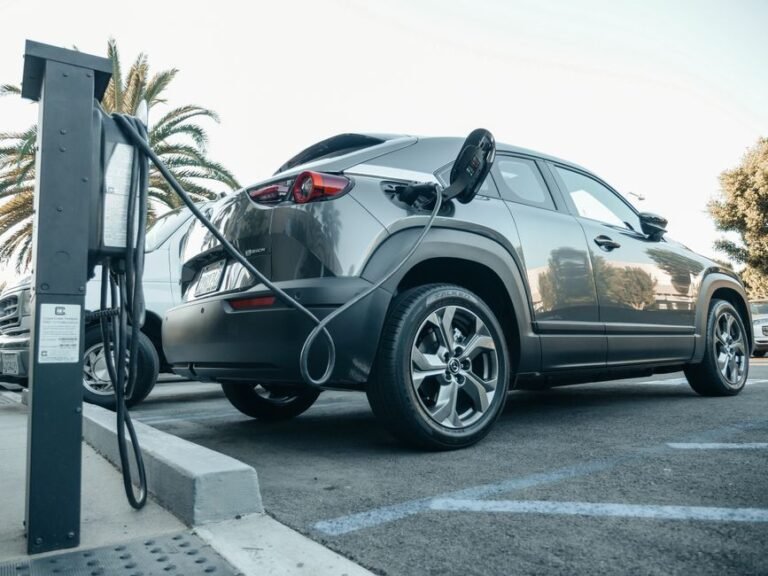
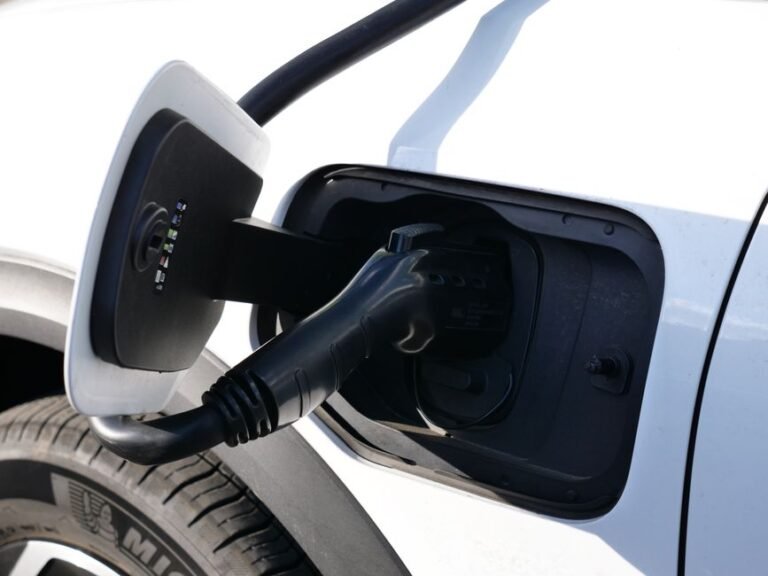
A plug-in hybrid combines the self-sufficient operation of a full hybrid with a much larger battery that can be charged from an external power source. The larger pack enables all-electric driving ranges that typically fall between 20 and 50 miles depending on the model — enough to cover a typical daily commute without using any gasoline at all. Once the battery is depleted, the vehicle operates as a conventional full hybrid, with the gasoline engine providing primary propulsion.
A plug-in hybrid requires a charging routine to fully realize its efficiency potential. Owners who regularly charge at home and whose daily driving falls within the electric range can go weeks between gas station visits. Owners who never plug in get a vehicle that functions like a standard hybrid with a heavier battery pack — functional but not optimal.
The Difference Between “Self-Charging Hybrid” and “Plug-In Hybrid”
This distinction trips up many buyers. “Self-charging hybrid” is a marketing term used primarily by Toyota and a few other brands to describe their full HEV models — it emphasizes that no charging infrastructure is required. A plug-in hybrid does everything a self-charging hybrid does but also has the ability to accept external charging for longer electric-only operation. Neither label is inaccurate; they simply describe different points on the hybridization spectrum.
What the Hybrid Badge on a Car Actually Means
When you see a vehicle badged as a hybrid, the specific designation varies by manufacturer but consistently signals a dual-powertrain vehicle. Toyota uses blue badging and “Hybrid” text across its lineup. Lexus appends an “h” to model names — the RX 350h, for instance — to denote the hybrid variant. Honda uses its own hybrid branding. Ford uses “Hybrid” or “PHEV” suffixes on Escape and F-150 models, among others.
Some manufacturers are now moving away from heavily branded hybrid identifiers as the technology becomes standard across their lineups. The HEV and PHEV designations — Hybrid Electric Vehicle and Plug-In Hybrid Electric Vehicle — are the industry-standard abbreviations you will increasingly encounter in manufacturer documentation and vehicle specification sheets.
Hybrid vehicles in the United States may also qualify for HOV lane access in certain states, though eligibility varies and many programs have been phased out as hybrid and EV volumes have grown. Specific clean air vehicle decals, issued by state departments of motor vehicles, are required in states that maintain these programs. Always check the current rules in your state before assuming any hybrid qualifies for carpool lane access. If you are researching a used hybrid vehicle in this context, understanding what vehicle registration looks like and how to verify current registration status is part of responsible ownership due diligence.
Hybrid Cars vs. Electric Cars vs. Gasoline Cars
One of the most common questions people have when they start researching hybrid vehicles is how they actually compare to the alternatives. The answer depends on what you prioritize.
Fuel Economy and Running Costs
A full hybrid in city driving typically achieves 40 to 57 miles per gallon or better, depending on the model. Comparable gasoline vehicles in the same class often return 25 to 35 miles per gallon. The gap narrows on the highway, where the electric motor has fewer opportunities to contribute and regenerative braking events are less frequent — which is why hybrid fuel economy ratings are sometimes better for city driving than highway driving, the reverse of conventional vehicles.
Electric vehicles cost less per mile to operate than either hybrids or gasoline cars when home electricity rates are typical. The trade-off is the requirement for charging infrastructure and the constraint of a fixed electric range on a single charge.
Emissions
Hybrids produce meaningfully lower tailpipe emissions than equivalent gasoline vehicles, particularly in urban driving where the electric motor handles substantial portions of the journey. Plug-in hybrids driven primarily on electric power produce near-zero tailpipe emissions for those miles. Pure electric vehicles produce zero tailpipe emissions entirely, though the emissions associated with electricity generation vary by region and power source.
Convenience and Refueling
This is where hybrids hold a clear advantage over pure electric vehicles for many drivers. A full hybrid refuels at any gasoline station exactly as a conventional car does — no charging infrastructure needed, no range planning required. For drivers who do not have access to home charging, who take frequent long road trips, or who live in areas with limited public charging coverage, a hybrid delivers meaningful environmental benefits without requiring any change in refueling behavior.
Purchase Price and Ownership Costs
Hybrid vehicles typically cost more than their non-hybrid counterparts at the point of sale, reflecting the additional cost of the battery, motor, and control electronics. That price premium is often partially offset over time by lower fuel costs. The maintenance picture is favorable for hybrids as well — regenerative braking significantly extends brake pad life, and the engine experiences less cumulative stress than in an equivalent non-hybrid vehicle because the electric motor assists during the most demanding operating conditions.
Is a Hybrid Car Worth It?
Whether a hybrid makes financial sense depends on your specific driving pattern, where you live, and how long you plan to keep the vehicle. The fuel economy advantage is most significant in urban and suburban driving with frequent stops. Drivers who spend most of their time at highway speeds and rarely encounter traffic see a smaller benefit, though the vehicle still produces lower emissions than a comparable gasoline car.
For used car buyers, the hybrid question includes an assessment of battery health. A well-maintained hybrid battery should last well beyond the manufacturer’s warranty period — Toyota warrants its hybrid batteries for eight to ten years depending on state — but verifying the battery’s condition before purchase is worthwhile. Running a VIN check provides the vehicle’s service history and any manufacturer records. If you are unfamiliar with where the VIN is located on a vehicle you are inspecting, this guide on where to find a car’s VIN number covers every location across different vehicle types.
Once you have made a purchase decision on any hybrid, checking the title, reviewing what the registration covers, and understanding what all your ownership documents mean are important follow-up steps. You can search current hybrid tax credit eligibility for your specific model, as federal and state incentive programs change regularly and your vehicle may qualify for meaningful financial benefits at time of purchase. More automotive ownership guides — including documentation basics and vehicle research tools — are available at BatteryOrg.
Frequently Asked Questions
What exactly does hybrid mean in a car?
In a car, hybrid means the vehicle uses two different power sources to drive the wheels — most commonly a gasoline internal combustion engine combined with an electric motor and battery. The system automatically switches between or combines these power sources depending on driving conditions. The result is better fuel economy and lower emissions compared to a vehicle that runs on gasoline alone, without the range limitations of a pure electric vehicle.
Does a hybrid car need to be plugged in?
It depends on the type of hybrid. A standard full hybrid — also called a self-charging hybrid — does not need to be plugged in. It charges its battery automatically through regenerative braking and the engine-driven generator while driving. A plug-in hybrid (PHEV) has a larger battery and can be plugged into an external power source to extend its all-electric driving range, but it will also operate as a standard hybrid if you never plug it in.
Is a hybrid car better than a regular car?
For drivers who do significant city or suburban driving, a hybrid typically delivers better fuel economy, lower running costs over time, and lower emissions than a comparable gasoline vehicle. For drivers who primarily drive long highway distances at constant speed, the fuel economy advantage is smaller. Hybrids cost more to purchase than equivalent gasoline models but can offset that premium through fuel savings over the ownership period, particularly for high-mileage drivers.
What is the difference between a hybrid and an electric car?
A hybrid has both a gasoline engine and an electric motor. It does not need to be plugged in (for standard hybrids) and can be refueled at any gas station. An electric vehicle has no gasoline engine — it runs entirely on electricity stored in a large battery pack and must be charged from an external power source. EVs have lower operating costs per mile and zero tailpipe emissions but require charging infrastructure and have a fixed electric range per charge.
How much better is fuel economy in a hybrid compared to a regular car?
The fuel economy advantage varies by model and driving conditions. In city driving with frequent stops, a full hybrid typically achieves 30 to 50 percent better fuel economy than a comparable gasoline vehicle — the electric motor handles much of the low-speed work and regenerative braking recovers energy at every stop. On the highway at constant speeds, the advantage narrows to perhaps 10 to 20 percent. Plug-in hybrids driven primarily on electric power show even greater efficiency for daily commutes that fall within their electric range.
Conclusion
What a hybrid car means, at its core, is a vehicle that uses two power sources instead of one — combining the sustained-output capabilities of a gasoline engine with the efficiency and energy recovery advantages of an electric motor. The practical result is a vehicle that uses significantly less fuel than a conventional gasoline car, requires no charging infrastructure, produces lower emissions, and drives identically from the driver’s perspective.
The spectrum of hybrid technology runs from mild hybrid systems that provide modest fuel economy improvements with minimal added complexity, to full hybrids that genuinely operate on electric power in city driving, to plug-in hybrids that offer extended all-electric range for drivers willing to charge regularly. Understanding which point on that spectrum matches your driving pattern, budget, and infrastructure access is the key to deciding whether a hybrid is the right choice for your next vehicle.