How to Tell If an Apartment Is Actually EV-Charging-Friendly
Start with one question: can you charge in your own assigned spot, or only at a charger other residents share? The answer tells you more about living with an EV in a rental than any “EV charging available” line in a listing.
That line can mean a private Level 2 charger at your space, two shared stations for a 200-unit building, or a standard outlet in the garage that nobody has tested. Each one is a very different daily experience, so it pays to find out which you are getting before you sign.
What makes an apartment EV charging friendly
A reliable setup has three things: enough access that you are not competing for a plug every evening, a clear and fair price, and someone responsible for fixing it when it breaks. A building can have impressive hardware and still fail on the second and third.
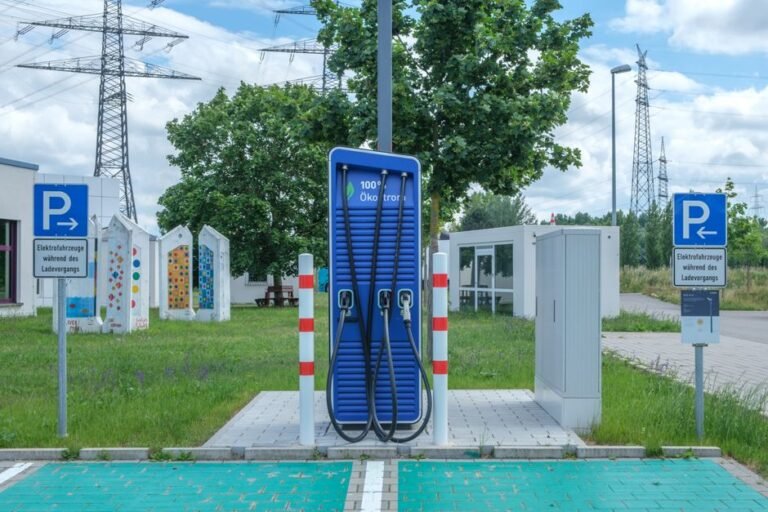
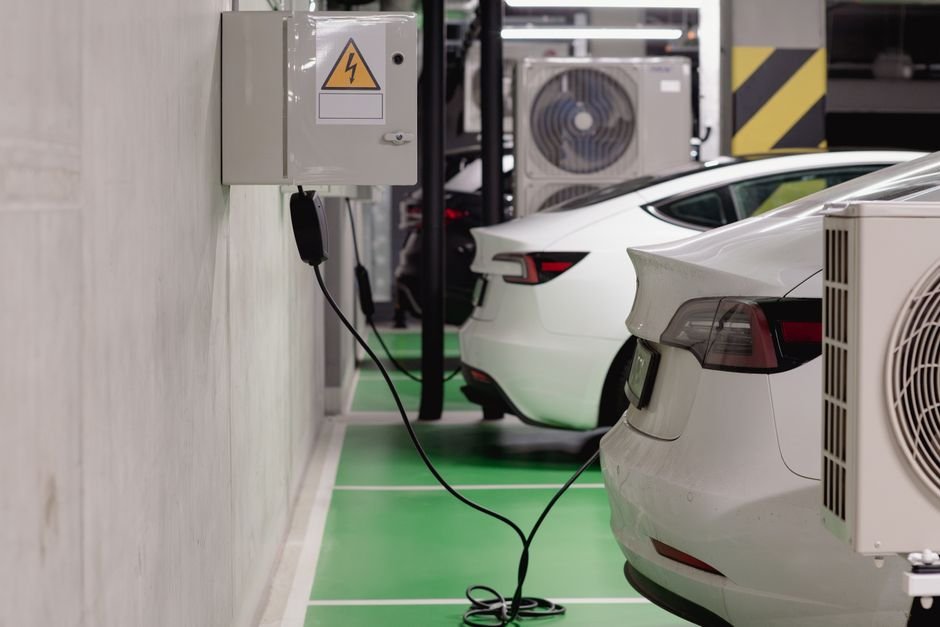
Shared chargers are the usual weak point. If a few stations serve many drivers, you may end up moving your car late at night or paying idle fees for leaving it plugged in. Ask how many residents currently use them, not just how many chargers exist, and whether visitors or the public can use the same stations, which quietly shrinks availability.
Price structure varies widely. Some buildings bill per kWh through a charging network app, some add a flat monthly fee, and some include it in rent. As of September 2026 there is no standard, so get the rate in writing, ask whether the parking space itself costs extra, and compare the total with what you would pay to charge elsewhere.
Don’t dismiss a plain outlet. For a short daily commute, slow charging overnight can be enough, and Level 1 vs Level 2 home charging explains where that line usually falls.
Questions to ask before signing
- Is a charger tied to my parking space, or shared? How many residents use the shared ones?
- How is charging billed, and can the rate change during the lease?
- Who fixes a broken charger, and how quickly?
- Are there time limits, reservations or idle fees?
- If there is no charger at my space, will management consider one, and who pays?
That last question matters because several states, California among them, have “right-to-charge” laws covering renters or condo owners. The rules differ by state and often leave installation and cost to the tenant, with the work done by a licensed electrician under a permit and with the landlord’s written approval. Check your state’s current rules rather than assuming.
Whatever you are promised, get it into the lease or a signed addendum. Verbal assurances from a leasing office rarely survive a change of management.
Finally, look at your fallback. The Department of Energy’s station locator shows public chargers near the building. If you would rely on DC fast charging, read how public fast charging pricing works first, since it usually costs more per mile than charging at home.
If the answers stay vague, assume the charger doesn’t exist and price your commute around public charging.