
Common Mistakes People Make Choosing a Home Charger Brand
Which home charger brand should you buy? The one that fits your car’s port, the circuit your electrician can provide, and your utility’s programs. The logo on the front matters far less than those three things.
Most mistakes in choosing a home EV charger brand come from shopping features first and compatibility last. Here are the ones that cost people money or a second trip from the electrician.
Choosing a home EV charger brand for today’s plug only
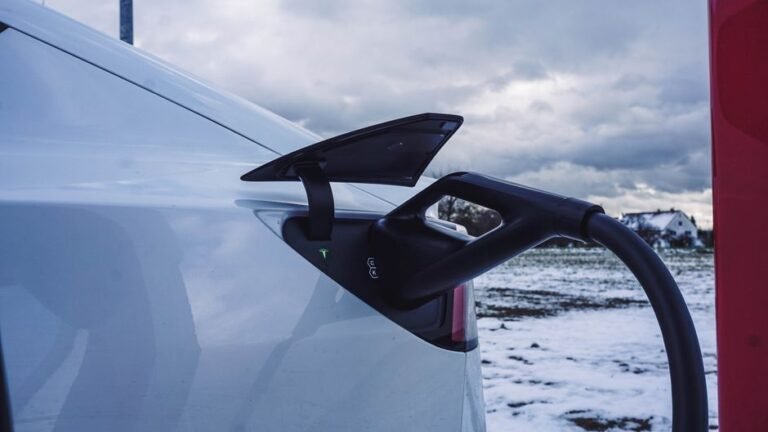
Many cars on the road use the J1772 plug for Level 2 charging, but several automakers have been moving newer models to the NACS port that Tesla popularized, now standardized as SAE J3400. Adapters exist, but a charger is a ten-year purchase. If a household might add or replace a car in that window, look at units with swappable cables or a connector choice at checkout.
Paying for more amps than your home can deliver
A charger rated for high output only delivers it on a circuit sized to match, and electrical code requires the circuit to be rated above the charger’s continuous draw. Your car’s onboard charger also caps how much AC power it accepts, so a bigger unit may add nothing. Many chargers can be set to a lower output, which lets the electrician match the charger to your panel’s spare capacity. What a home EV charger installation involves covers why that assessment comes first, and it is a job for a licensed electrician with a permit.
Skipping the safety listing
Cheap chargers sold through online marketplaces sometimes carry no recognized safety certification. Look for a UL or ETL listing mark on the unit and in the documentation, not just in the product photos. An inspector can flag unlisted equipment, and it gives an insurer an easy reason to argue after a fire. ENERGY STAR maintains a list of certified EV chargers that is a sensible starting filter.
Ignoring what your utility requires
Some utilities offer rebates or cheaper overnight rates, but only for specific networked chargers that can report usage or respond to demand signals. As of September 2026 these programs vary widely by utility and change often, so check the approved-equipment list before you buy, not after.
Choosing the mount before the location
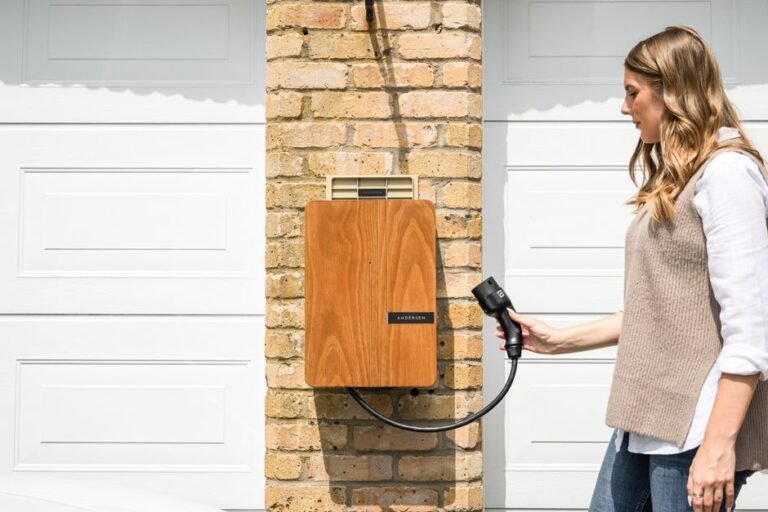
A plug-in unit on a NEMA 14-50 outlet is easy to replace later; a hardwired unit skips a heavy-duty outlet that can wear over time. Outdoors, check the enclosure rating and cable length. A cable that reaches the port only when the car is parked perfectly will annoy you every day.
Before any quote, pin down these specs:
- Connector type, or whether the cable can be swapped
- Maximum output, and whether it can be turned down
- UL or ETL listing
- Plug-in or hardwired, and outdoor rating if needed
- Cable length and warranty length
If you are still deciding how much charging speed you need, Level 1 vs Level 2 home charging is the place to start.
Pick the model, then hand its spec sheet to the electrician before anyone quotes the job.