How Much Does It Cost to Charge an Electric Car?
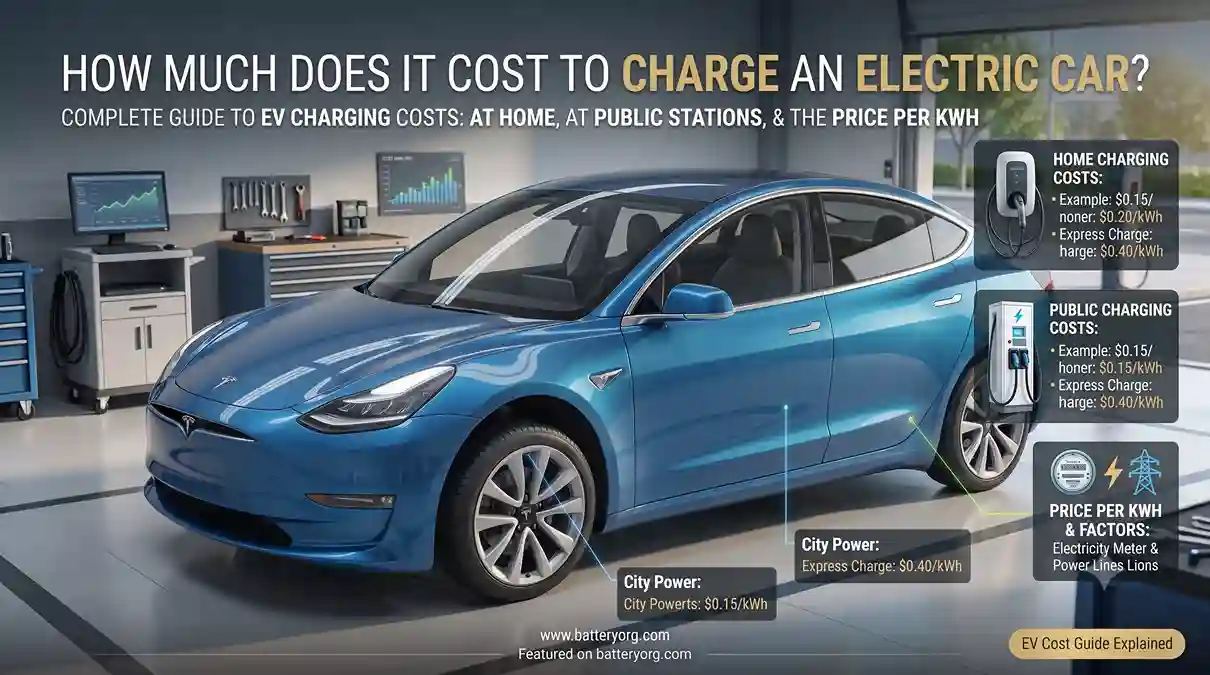
One of the first questions people ask when considering an electric vehicle is what it actually costs to charge it. The uncertainty is understandable — unlike gasoline, where the price per gallon is posted on a large sign at every station, electricity pricing is less visible and varies considerably depending on where you live, how you charge, and when you charge. For some drivers, the numbers are surprisingly low. For others who rely heavily on public fast charging, the cost can approach what they were spending on gas.
This guide covers every scenario clearly: what it costs to charge an electric car at home, what public charging networks charge per session, how DC fast charging compares to Level 2 charging, and how to calculate exactly what your own EV costs per mile to run. By the end, you will have a complete picture of EV charging economics rather than a vague sense that it is “cheaper than gas.”
The Key Variable: Where You Charge
Before diving into numbers, the most important thing to understand is that the cost to charge an electric car depends more on location than on the vehicle itself. Home charging is almost always the cheapest option. Public Level 2 charging is typically moderate. DC fast charging at commercial stations is the most expensive and is best reserved for road trips or emergencies rather than daily use.
The reason is straightforward: electricity pricing at home reflects residential utility rates, which are subsidized by scale and competition among providers. Public charging stations carry infrastructure costs, network fees, and profit margins that push their per-kWh pricing well above what you pay at home.
How Much Does It Cost to Charge an Electric Car at Home?
Home charging is where the real economics of electric vehicle ownership become compelling. The calculation is simple: you multiply your battery’s capacity in kilowatt-hours by your electricity rate per kilowatt-hour.
The national average residential electricity rate in the United States is approximately 16 to 18 cents per kilowatt-hour, though this varies significantly by state. States like Idaho and Louisiana have rates as low as 10 to 12 cents per kilowatt-hour, while California and Hawaii can exceed 30 to 50 cents per kilowatt-hour in some utility territories.
Sample Cost Calculations by Vehicle
Using the national average of roughly 16 cents per kilowatt-hour and accounting for approximately 10 to 15 percent energy loss during the charging process (which is normal for all charging levels), here is what a full charge costs for common EV models:
- Nissan Leaf (40 kWh battery): approximately $7.50 to $8.00 for a full charge
- Chevrolet Bolt EV (65 kWh battery): approximately $11.50 to $12.50 for a full charge
- Tesla Model 3 Standard Range (57.5 kWh): approximately $10.50 to $11.50 for a full charge
- Tesla Model Y Long Range (82 kWh): approximately $15.00 to $16.50 for a full charge
- Ford F-150 Lightning (131 kWh extended range): approximately $24.00 to $26.00 for a full charge
Most drivers do not charge from zero to full every night. The more practical number to think about is your daily driving cost. The average American drives about 37 miles per day. Most modern EVs consume roughly 3 to 4 miles of range per kilowatt-hour, which means a typical day of driving consumes 9 to 12 kilowatt-hours. At 16 cents per kilowatt-hour, that is roughly $1.50 to $2.00 per day — or about $45 to $60 per month to cover average daily commuting needs.
Time-of-Use Rates: How to Reduce Your Charging Costs Further
Many utility companies offer time-of-use electricity plans that charge lower rates during off-peak hours — typically late at night between 9 pm and 6 am — and higher rates during afternoon and evening peak periods. EV owners who shift their charging to overnight hours can often access rates in the 8 to 12 cents per kilowatt-hour range even in states where the standard residential rate is higher. Most modern EVs and home charging equipment support scheduled charging, so you can set your vehicle to begin charging automatically at a programmed time each night without any daily effort.
If your utility provider offers a dedicated EV rate or a special time-of-use tier for electric vehicle owners, enrolling in that program is typically the single most effective way to reduce your monthly charging costs. Check your utility’s website or call their customer service line to ask specifically about EV rate options.
Level 1 vs Level 2 Charging: What the Difference Costs You
Home EV charging happens at two different speeds, and the choice between them affects how convenient charging is — though not the cost per kilowatt-hour, since both draw from your home electricity supply at the same rate.
Level 1 Charging (Standard 120V Outlet)
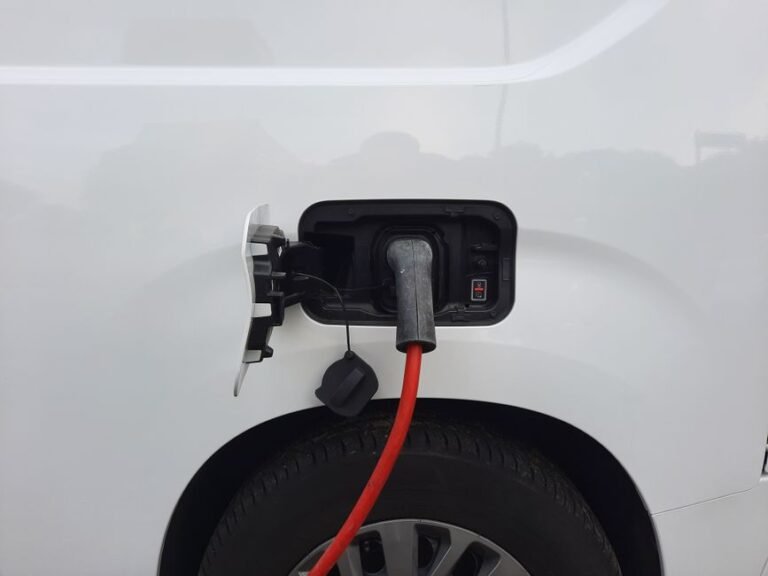
Level 1 charging uses a standard household outlet — the same type used for lamps and phone chargers — and delivers electricity at approximately 1.4 to 1.9 kilowatts. This adds roughly 3 to 5 miles of range per hour of charging. For a vehicle with a 60 kilowatt-hour battery, a full charge from empty would take 30 to 40 hours.
Level 1 is slow but costs nothing to set up beyond the charging cable that comes with the vehicle. It works well for drivers with short daily commutes — if you drive 20 to 30 miles per day and plug in every night, a standard outlet can keep up easily. For anyone driving more than that, Level 1 alone is generally inadequate as a sole charging solution.
Level 2 Charging (240V Dedicated Circuit)
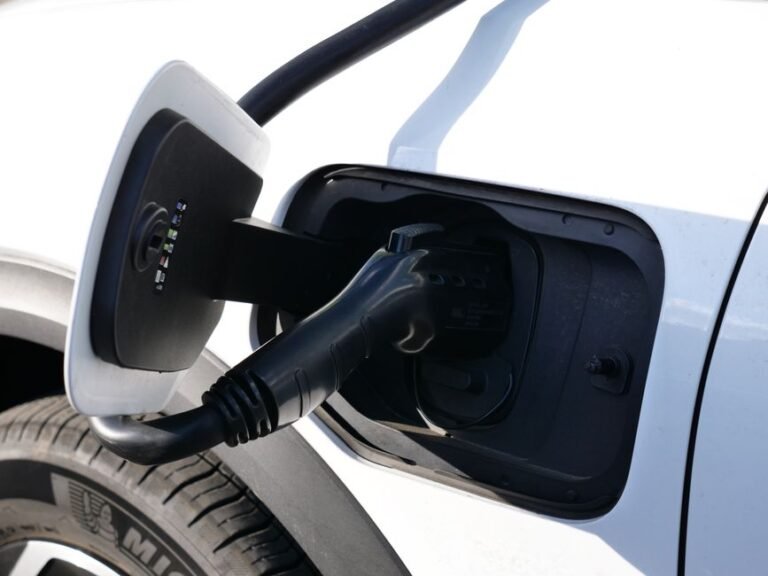
Level 2 charging uses a 240-volt circuit — the same voltage as a clothes dryer or electric range — and delivers electricity at 7 to 19 kilowatts depending on the charger and vehicle. This adds 20 to 60 miles of range per hour. A typical 60 kilowatt-hour battery charges fully in 4 to 8 hours, which fits neatly into an overnight charging window.
Level 2 requires a dedicated 240V circuit installed by a licensed electrician, plus a charging unit (often called an EVSE, or Electric Vehicle Supply Equipment). The charging unit itself costs between $300 and $800 depending on the brand and features. Professional installation — including the circuit, wiring, and electrician labor — typically adds $700 to $1,500 more, with the total project running $850 to $2,700 for a standard installation. Homes with older electrical panels that need upgrading can face additional costs of $1,500 to $5,000 or more if a panel replacement or service upgrade is required.
Federal tax credits have historically covered a portion of home EV charger installation costs, and some states and utilities offer additional rebates. Searching current incentive programs in your state before scheduling installation can meaningfully reduce your out-of-pocket expense.
How Much Does Public EV Charging Cost?
Public charging is more expensive than home charging in virtually every market, but the premium varies depending on the charging level and the network operator.
Public Level 2 Charging
Level 2 public chargers are the type commonly found at shopping centers, hotels, parking garages, workplaces, and destinations. Pricing structures differ by network. Some charge by the kilowatt-hour, typically ranging from 20 to 40 cents per kilowatt-hour in most US markets. Others charge by the hour, which can work in your favor for slower charging sessions or against you for faster ones. Some Level 2 stations at retail locations offer free charging as a customer perk, though these are becoming less common as EV adoption grows.
ChargePoint is one of the largest Level 2 networks in the United States, with pricing set by the individual location owner rather than by ChargePoint itself — which means costs vary considerably from station to station. Blink operates a mix of Level 2 and DC fast chargers and offers both member and non-member pricing tiers.
DC Fast Charging
DC fast chargers — also called Level 3 chargers — can add 100 to 200 miles of range in 20 to 40 minutes, making them the preferred option for road trip stops. They are also substantially more expensive than Level 2 charging, typically ranging from 30 to 60 cents per kilowatt-hour or more at networks like EVgo, Electrify America, and others. Some networks charge by the minute rather than by the kilowatt-hour, which benefits faster-charging vehicles but can be expensive for vehicles with lower charging rates.
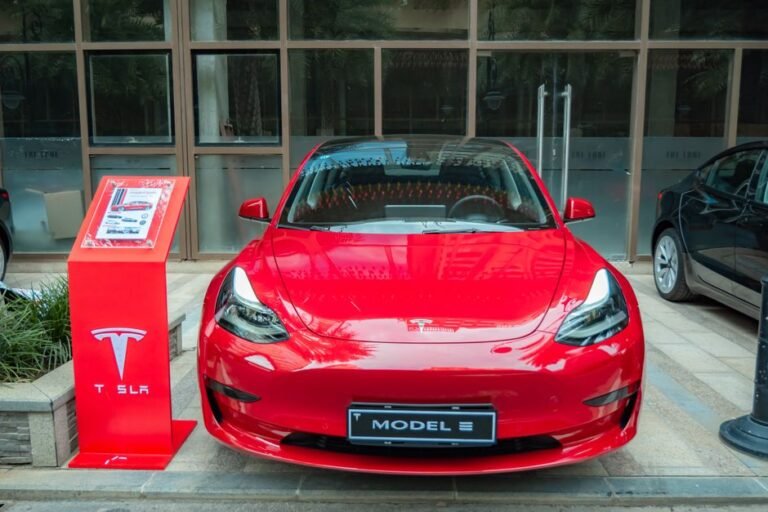
Tesla’s Supercharger network is among the most widely used DC fast charging networks in the United States. Supercharger pricing varies by location and is generally priced per kilowatt-hour for Tesla owners in states where that billing method is permitted, and per minute in states that do not allow per-kWh billing for third-party charging. Supercharger rates typically fall between 25 and 50 cents per kilowatt-hour, placing them at the higher end of public charging costs but still generally below the equivalent gasoline cost for comparable range.
Tesla also charges idle fees — called congestion fees — when a vehicle remains connected to a Supercharger after charging is complete if the station is more than 50 percent full. These fees apply to both Tesla and non-Tesla vehicles using the network and are designed to encourage turnover at busy stations.
Electric Car Charging Cost vs. Gas: The Real Comparison
The comparison that matters most for most drivers is not the cost per kilowatt-hour but the cost per mile. This is what determines whether an EV saves you money compared to your current gasoline vehicle.
The average gasoline-powered car in the United States gets approximately 28 miles per gallon. At $3.50 per gallon, that works out to roughly 12.5 cents per mile. An EV consuming 3.5 miles per kilowatt-hour and charged at home at 16 cents per kilowatt-hour costs approximately 4.6 cents per mile — about one-third the per-mile fuel cost of the average gasoline vehicle.
Even charging exclusively at public DC fast chargers at 45 cents per kilowatt-hour, the cost per mile is approximately 13 cents — roughly equivalent to gasoline at current prices. Most EV owners do the majority of their charging at home and use public charging only occasionally, which means their blended real-world cost per mile is typically well below the public charging scenario.
Beyond fuel, EVs have lower maintenance costs than gasoline vehicles. No oil changes, no spark plugs, less brake wear due to regenerative braking, and fewer moving parts overall translate to roughly 30 to 50 percent lower lifetime maintenance costs compared to an equivalent internal combustion vehicle.
How to Calculate Your Own EV Charging Cost
The formula is simple and takes less than a minute to apply to your specific situation:
- Find your electricity rate in cents per kilowatt-hour on your monthly utility bill
- Note your EV’s battery capacity in kilowatt-hours (found in the owner’s manual or the manufacturer’s website)
- Multiply the battery capacity by your electricity rate
- Add approximately 10 to 15 percent to account for charging losses (energy that is consumed during the charging process but does not make it into the battery)
For example: a 75 kWh battery, an electricity rate of $0.18 per kilowatt-hour, and 12 percent charging loss gives you a full charge cost of (75 × 0.18) ÷ 0.88 = approximately $15.34.
To find your cost per mile, divide the full charge cost by the vehicle’s estimated range. If that 75 kWh vehicle has a 300-mile range, your cost per mile is roughly 5.1 cents.
For a broader perspective on total EV ownership costs — including the vehicle itself, financing, and documentation considerations like what a car title looks like for an EV purchase — understanding the full picture before buying helps you make a genuinely informed decision. The US Department of Energy’s Alternative Fuels Data Center also offers a free vehicle cost calculator that lets you compare total ownership costs between specific EV and gasoline models using your location and driving habits.
Charging at Work and Other Free or Reduced-Cost Options
A meaningful number of employers in the United States now offer Level 2 charging as a workplace benefit — particularly in states with strong EV adoption like California, Washington, and Colorado. If your employer provides EV charging, using it during work hours can effectively eliminate a portion of your daily charging needs at no personal cost.
Some automakers also include complimentary charging credits with new vehicle purchases. Certain Hyundai, Kia, and Genesis models come with years of free Electrify America sessions. Some Tesla purchases have historically included Supercharging credits. These incentives vary by model year and purchase timing, so confirming what is included at the time of purchase — and noting it on your ownership documents alongside your registration — is worth doing before you leave the dealership. If you are unfamiliar with what vehicle registration covers, this guide on what vehicle registration looks like walks through everything the document records.
Frequently Asked Questions
How much does it cost to fully charge an electric car at home?
At the US national average electricity rate of approximately 16 to 18 cents per kilowatt-hour, a full charge costs between $7 and $26 depending on the size of the battery. A small EV like the Nissan Leaf (40 kWh) costs about $7 to $8 for a full charge. A large-battery vehicle like the Ford F-150 Lightning (131 kWh extended range) costs about $23 to $26. Most drivers do not charge from empty to full every night — the typical daily charging cost for average commuting is $1.50 to $3.00 at home electricity rates.
Is it cheaper to charge an electric car or buy gas?
For most drivers who charge primarily at home, an EV costs significantly less per mile than a gasoline vehicle. At national average electricity and gas prices, home charging typically costs about 4 to 6 cents per mile compared to 11 to 14 cents per mile for the average gasoline car. Even when factoring in occasional public charging, most EV owners save $700 to $1,500 or more annually on fuel alone compared to an equivalent gasoline vehicle.
How much does public EV charging cost?
Public charging costs vary by network, location, and charging level. Level 2 public chargers typically cost 20 to 40 cents per kilowatt-hour. DC fast chargers at networks like EVgo, Electrify America, and Tesla Superchargers typically range from 30 to 50 cents per kilowatt-hour, though some stations price by the minute rather than by energy delivered. Public charging is considerably more expensive than home charging and is most economical when used as a supplement rather than a primary charging method.
How long does it take to charge an electric car?
Charging time depends on the charging level and battery size. A standard 120V Level 1 outlet adds 3 to 5 miles of range per hour — enough for short daily commutes but too slow for larger batteries. A Level 2 home charger (240V) adds 20 to 60 miles of range per hour, charging most vehicles fully overnight. DC fast chargers can add 100 to 200 miles of range in 20 to 45 minutes. Most EV owners use Level 2 home charging for daily needs and DC fast charging only when traveling long distances.
How much does it cost to install a Level 2 home charger?
A Level 2 home charger installation typically costs $850 to $2,700 for a standard installation, including the charger hardware ($300 to $800) and professional electrician installation of a dedicated 240V circuit ($700 to $1,500 in labor and materials). Homes with older electrical panels that require upgrades can face additional costs of $1,500 to $5,000 or more. Federal tax credits and utility rebates can offset a significant portion of this cost — checking current incentives in your state before scheduling installation is recommended.
Conclusion
The cost to charge an electric car is highly variable — but for the majority of owners who charge primarily at home, it is meaningfully lower than the cost of gasoline for an equivalent vehicle. At typical US electricity rates, most EV owners spend between $45 and $80 per month to cover typical driving needs, compared to $150 to $250 or more for gasoline in a conventional vehicle.
The calculus shifts somewhat if you rely heavily on public DC fast charging, where per-kilowatt-hour costs can approach or occasionally exceed the equivalent gasoline cost. The practical takeaway is that charging strategy matters as much as the vehicle itself. Set up a Level 2 charger at home, use a time-of-use electricity plan if available, and reserve fast charging for road trips — and the economics of electric vehicle ownership become straightforward and favorable for most American drivers.