How to Tell If a Used Car Was in a Flood
A flood-damaged car can pass a visual inspection and a test drive and still fail electronics, corrode from the inside, and drop dead weeks after you buy it — because the signs that matter are the ones a thorough detailing is specifically designed to erase.
Check what a cleaning can’t fully reach
Start with your nose. A strong smell of air freshener or a musty odor underneath it is a flag, not a coincidence — sellers moving flood-damaged used cars often over-clean to mask mildew. Pull back the carpet at a rear footwell if the seller allows it; water leaves tide lines, rust on the fasteners underneath, or a different-colored carpet pad than what’s visible on top.
Check seatbelt webbing by pulling it all the way out — flood water leaves grit and staining on the section that’s normally retracted into the housing, an area nobody thinks to clean. Look at screw heads and other bare metal under the dash, inside the glovebox, and under the seats for rust or a chalky mineral residue, since these spots rarely get touched even in a careful detail job.
Electronics and paperwork tell the rest
Flood water damages wiring and connectors gradually, so a car can start and drive fine at a test drive and still develop electrical faults over the following months. Test every window, the sunroof, interior lights, infotainment screen, and climate controls one at a time. Anything sluggish, flickering, or unresponsive is worth walking away from rather than negotiating down, since intermittent electrical issues on a flood car tend to compound rather than resolve.
| Where to look | What flood damage leaves behind |
|---|---|
| Under carpet/floor mats | Water lines, mismatched carpet color, rust |
| Seatbelt webbing | Grit, staining, mildew smell |
| Under dash / glovebox | Rust on screws, mineral residue |
| Electronics | Slow or intermittent windows, lights, infotainment |
| Title history | Salvage, flood, or "rebuilt" brand |
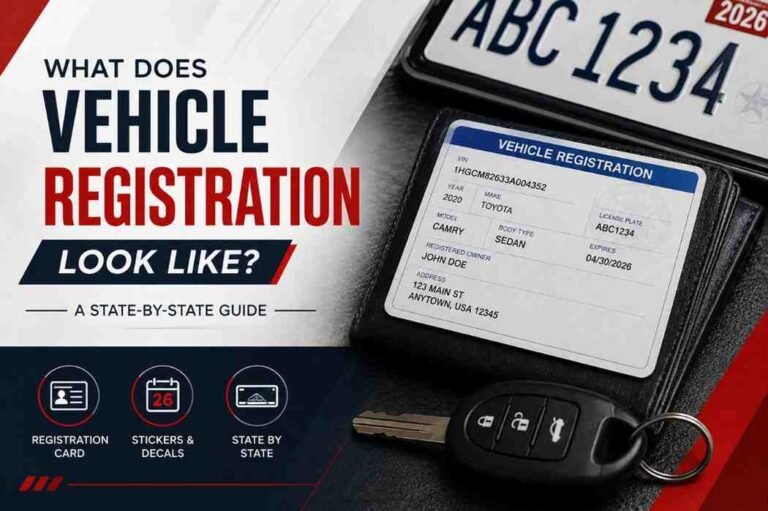
The most reliable check happens before you’re standing in a parking lot: run the VIN through the National Motor Vehicle Title Information System, the federal database that tracks flood and salvage title brands across states, since a car titled clean in one state after flood damage in another can otherwise slip through. It won’t catch everything — some damaged vehicles never get properly re-titled — which is exactly why it’s a starting point, not a substitute for the physical inspection.
A car’s VIN carries other useful history beyond title brands, and pairing that check with a full maintenance record review gives you a much fuller picture than either one alone. If a seller resists a pre-purchase inspection by an independent mechanic, especially one willing to check under the carpet and dash, treat that resistance itself as the biggest red flag on the list — legitimate sellers rarely object, and you can check the NMVTIS vehicle history lookup yourself in a few minutes.