How Cold Weather Affects EV Range, and What Helps
Cold weather can cut an EV’s real-world range by roughly 20-40%, depending on the vehicle, the temperature, and how much cabin heat you run. Most of that loss isn’t the battery cells going weak in the cold, it’s energy diverted to warming the battery and the cabin, on top of chemistry that’s simply less efficient below freezing.
Where the range goes
Lithium-ion batteries lose efficiency as temperature drops. The chemical reactions inside the cells slow down, which reduces how much usable energy the pack can deliver at any given moment. Manufacturers manage this with a battery thermal management system that keeps the pack in a workable temperature range, but running that system uses energy that would otherwise go toward driving.
Cabin heat is the bigger factor for most drivers. A gas car has waste engine heat to warm the cabin for free. An EV has to generate that heat from the same battery that powers the wheels, and resistive heaters, the kind found in cheaper systems, are far less efficient than the heat pumps now common in newer models.
Charging is slower too, not just range
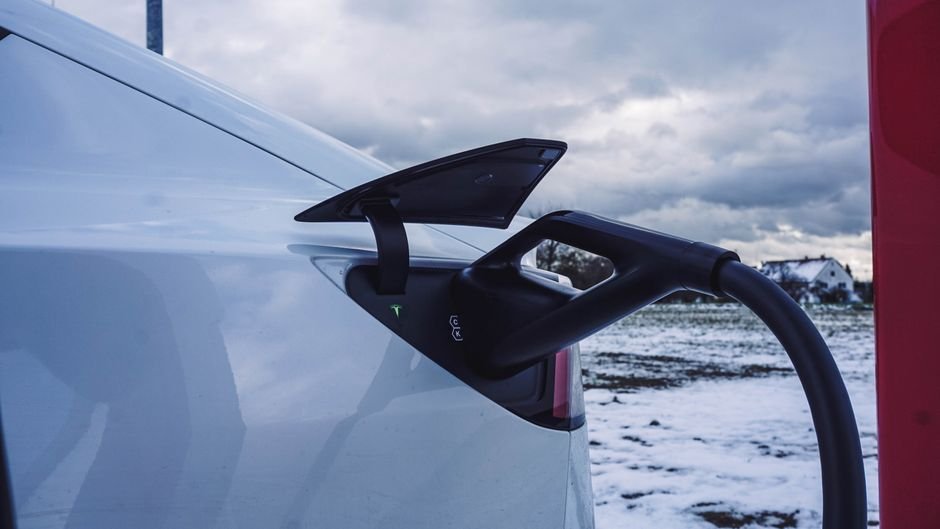
Cold batteries don’t just hold less usable energy, they also accept a charge more slowly. Fast-charging speed depends on the battery being in a workable temperature range, so plugging in with a pack that’s near freezing can mean a noticeably longer stop than the same charger would deliver on a warm day. Many EVs precondition the battery for fast charging automatically when a charging stop is set as a navigation destination, warming the pack en route so it accepts a full-speed charge on arrival. If your route planning is manual rather than through the car’s own navigation, that automatic warm-up may not trigger.
What actually helps
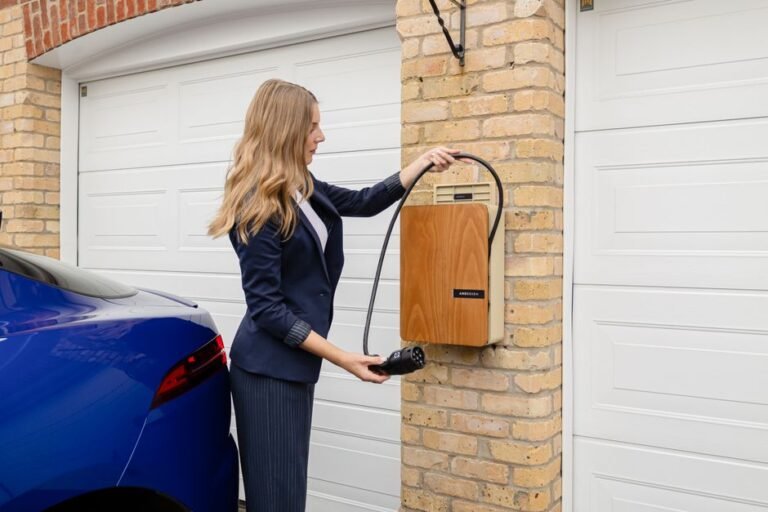
- Precondition the cabin and battery while the car is still plugged in, not after you unplug and start driving, so the energy comes from the wall instead of the pack
- Use seat and steering wheel heaters instead of blasting cabin air; they warm you directly for a fraction of the energy
- Keep the battery above roughly 20% in cold weather where possible, since a low state of charge combined with cold temperatures compounds the range hit
- Park in a garage overnight if you have one, even an unheated one reduces the temperature swing the battery has to fight
- Set a fast charger as your navigation destination rather than just noting the address, so the car has a chance to warm the pack before you arrive
None of this eliminates the cold-weather range penalty. It’s a real limitation of current battery chemistry and cabin heating, not a myth and not something a software update fixes. The Department of Energy’s EV driving tips cover the same preconditioning and cabin-heat guidance in more detail.
Planning around it, not being surprised by it
If range anxiety is already a factor in how you drive, cold weather is when it shows up hardest. It’s worth reading the mistakes first-time EV owners make in year one before your first real winter with the car, and comparing against how cold affects any car’s battery, EV or not, since some of the effects overlap.
Budget for the percentage loss instead of assuming it away, and winter driving stops being a surprise.