What Causes a Car to Pull to One Side
A car pulling to one side is almost always tire pressure, alignment, or a dragging brake — here’s how to tell them apart before you pay for a repair.

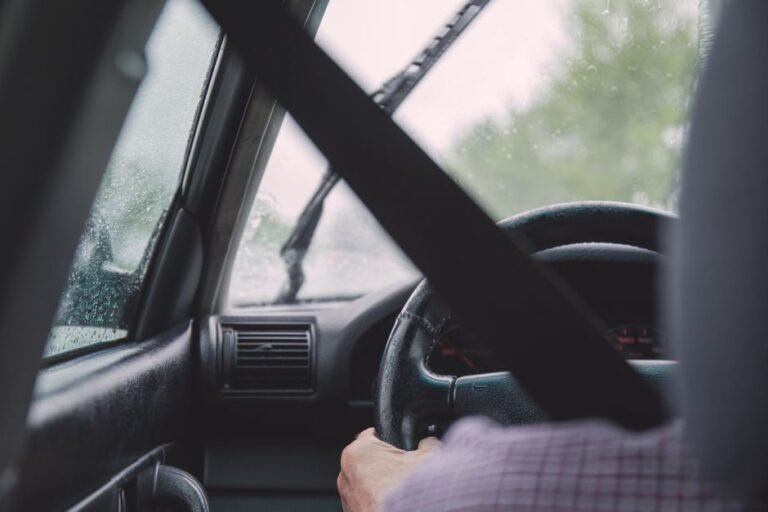
A car pulling to one side is almost always tire pressure, alignment, or a dragging brake — here’s how to tell them apart before you pay for a repair.
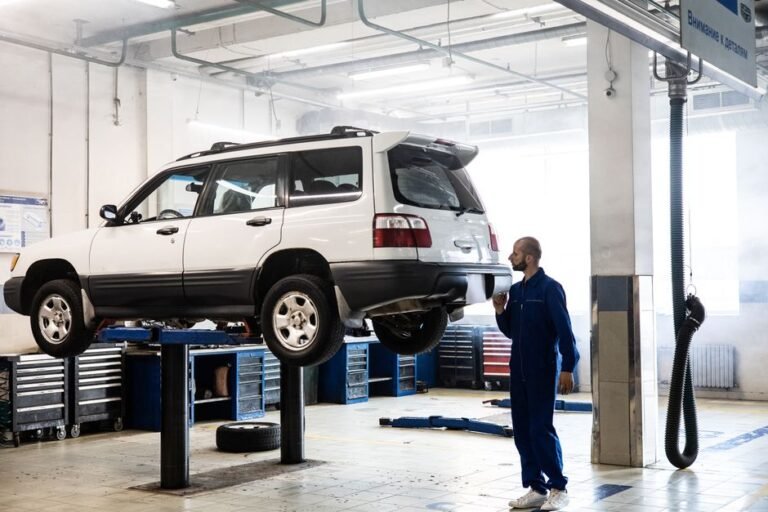
Most inspection failures are lights, tires, wipers, and brakes — all things worth a five-minute driveway check first.

What an extended warranty covers is decided by its exclusions list, not its marketing headline.

The real leverage in a dealership negotiation is treating price, trade-in, financing, and add-ons as four separate deals.
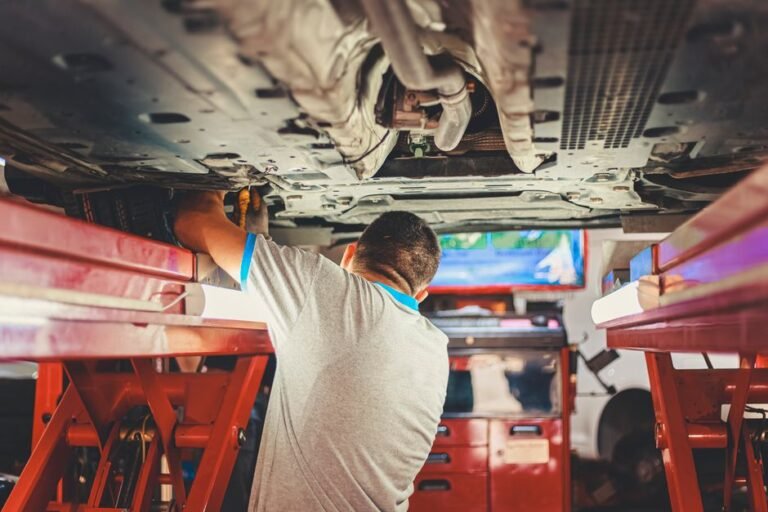
Flood damage hides in the spots a detailing job skips — carpet padding, seatbelt webbing, and bare metal under the dash.
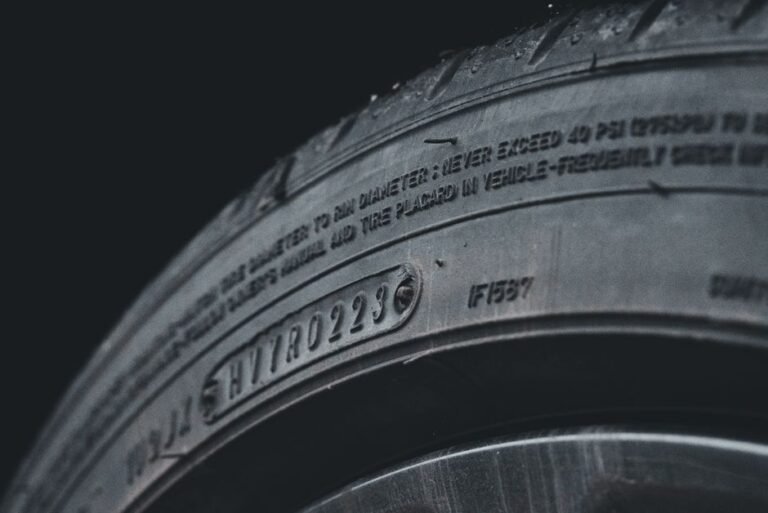
Tire speed ratings measure heat tolerance and handling margin, not a speed you’re meant to reach.
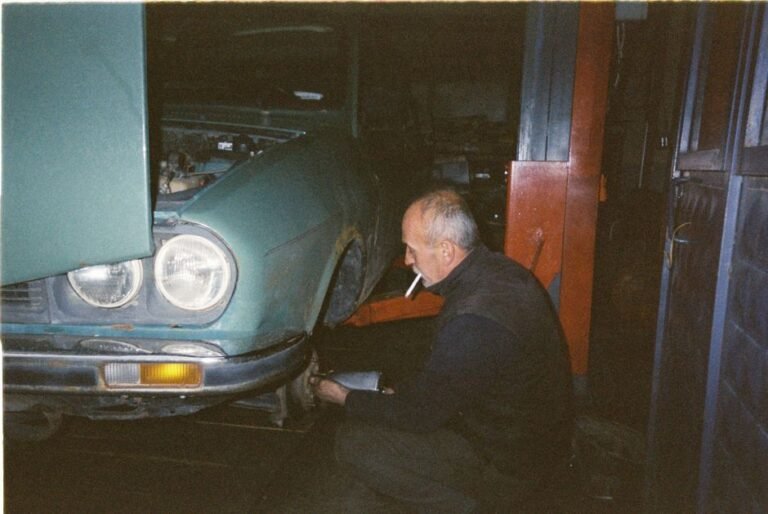
The real repair-versus-replace decision comes down to total cost over the next few years, not just whether one repair bill looks big.

Crumple zones are built to fold in a controlled way, absorbing crash energy so less of it reaches the people inside.
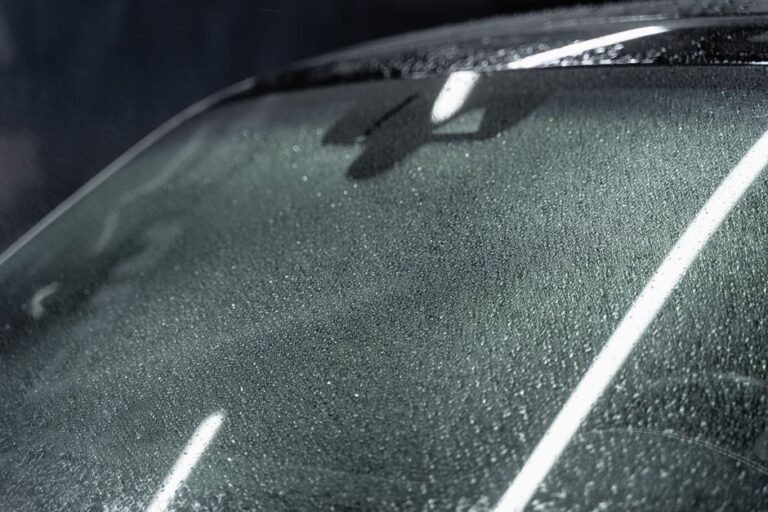
A small windshield chip spreads faster than most drivers expect, and repair only stays an option for a limited window of time.
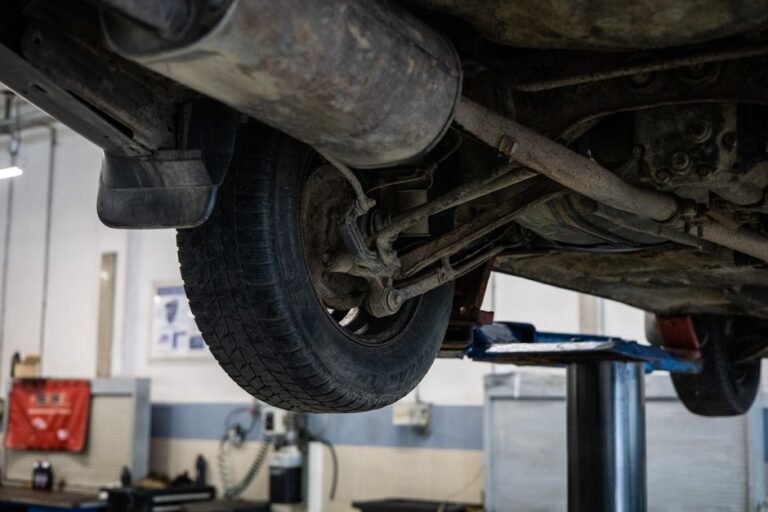
The bounce test still works for a first check, but uneven tire wear, alignment drift, and braking feel tell you more about worn shocks or struts.
End of content
End of content