How Silicon Anode Batteries Could Change Range
Silicon anode technology can boost battery range, but swelling and durability problems mean the gains are arriving in small doses, not overnight.


Silicon anode technology can boost battery range, but swelling and durability problems mean the gains are arriving in small doses, not overnight.

A battery passport is a new regulatory requirement meant to track a pack’s materials and history over its full lifecycle.

Cool storage extends a battery’s shelf life, but actual freezing temperatures create their own risks.
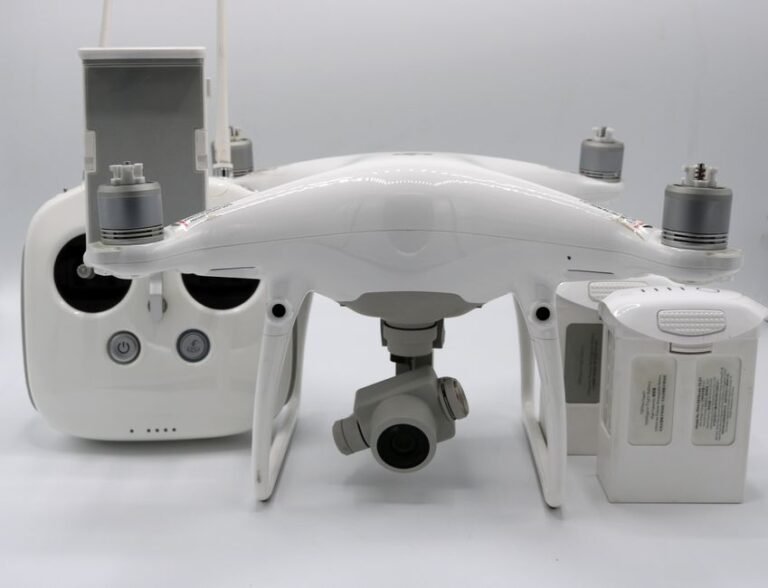
Drone batteries age faster than most consumer batteries, and a handful of common habits are usually why.

Battery cell balancing keeps every cell in a pack charging and aging at the same rate, so one weak cell doesn’t limit the whole battery.

A swollen or leaking battery is signaling internal damage that can’t be repaired, and handling it wrong is a fire risk.

Sodium-ion batteries trade energy density for cheap, abundant raw material — a fit for grid storage now, not your next EV.
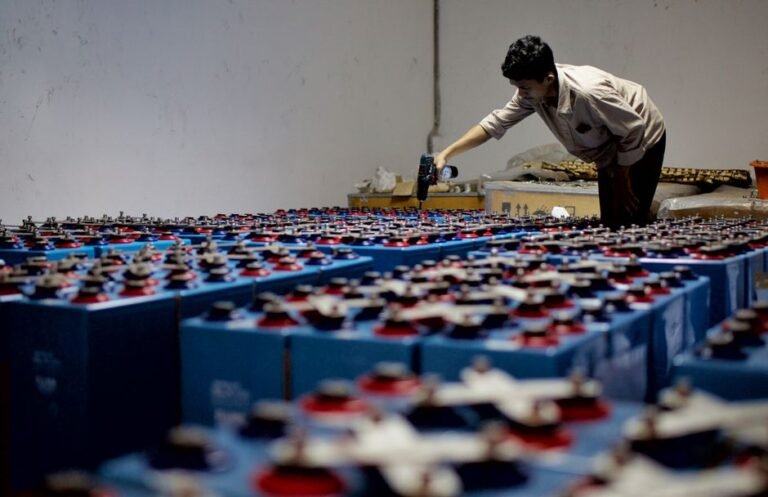
A retired EV pack at 80% capacity still has years of useful life in stationary storage — here’s how it gets there.
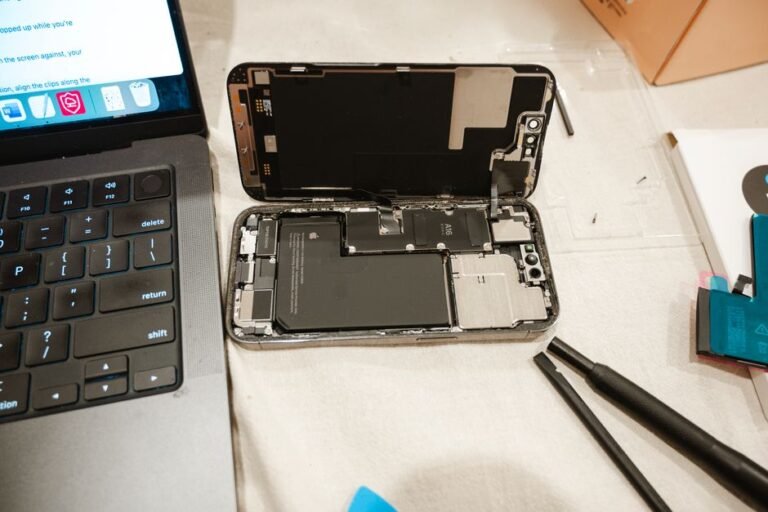
A laptop battery stored at full charge or fully dead ages worse than one left around 50% — here’s why the middle setting wins.

A cycle life rating is a curve toward 80% capacity, not a hard cutoff — and usage pattern decides how fast you get there.
End of content
End of content