Vehicle-to-Grid Battery Requirements: What a Car Actually Needs
Vehicle-to-grid needs more than a battery — bidirectional chargers, cycle management, and a utility program to plug into. Here’s what has to line up.

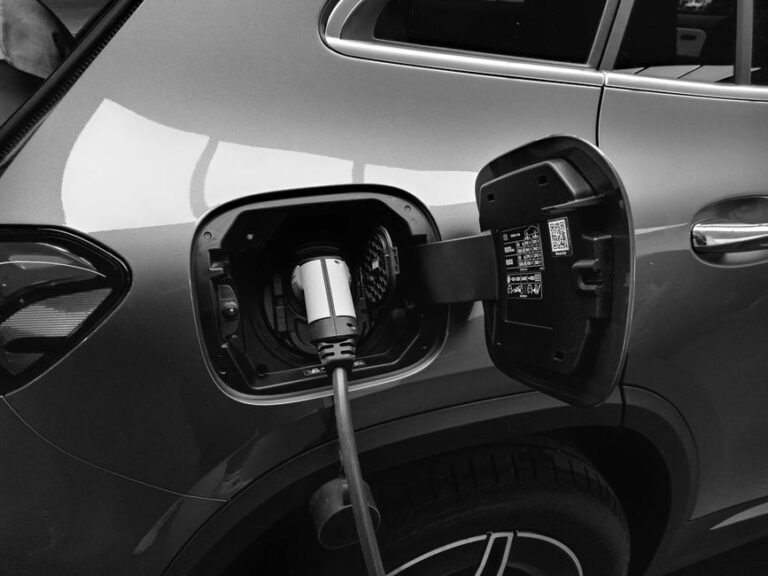
Vehicle-to-grid needs more than a battery — bidirectional chargers, cycle management, and a utility program to plug into. Here’s what has to line up.

The battery health percentage on your phone is an estimate with a margin of error, not a precise measurement of what’s inside the cell.
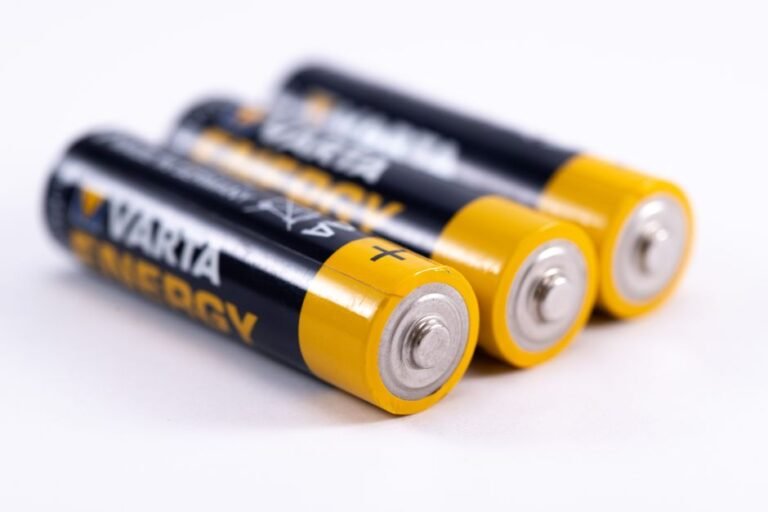
Battery recalls follow a documented pattern of reports, not a single complaint, before a manufacturer and regulators act.
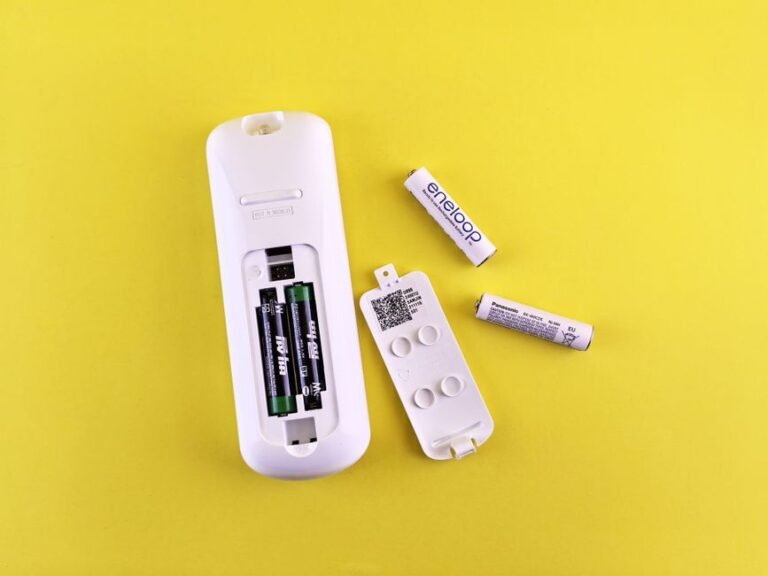
Mixing battery brands is usually low risk, but mixing old with new, or rechargeable with single-use, is where devices run into real trouble.

Graphene batteries in most consumer products are conventional lithium-ion cells with a graphene additive, not the new battery category the marketing implies.
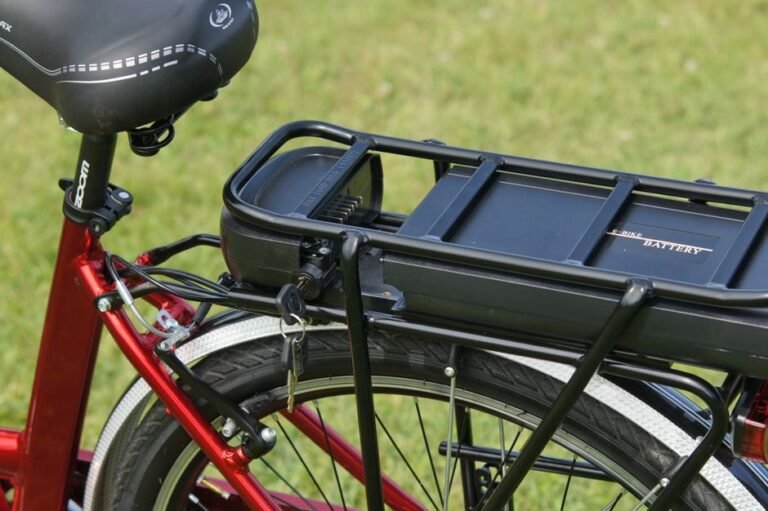
The difference between normal e-bike battery aging and a pack that’s genuinely failing comes down to a handful of specific warning signs.
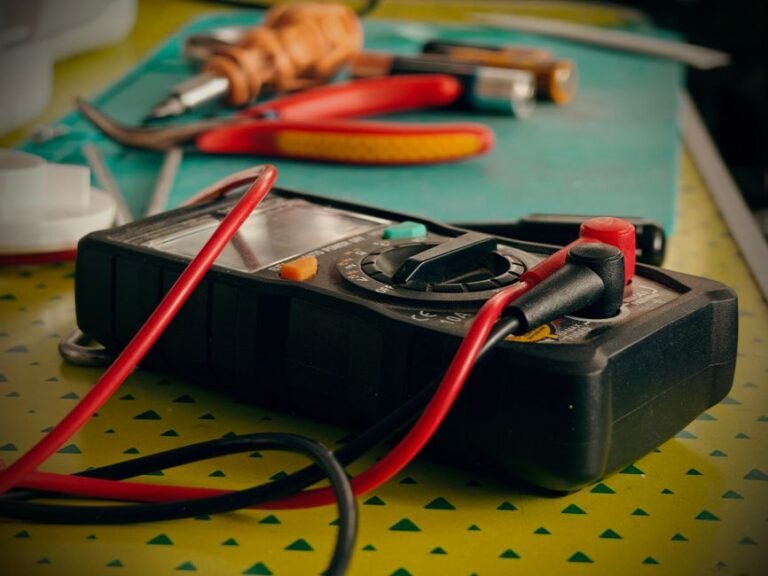
A battery’s internal resistance reveals aging and heat problems that voltage alone won’t show you.
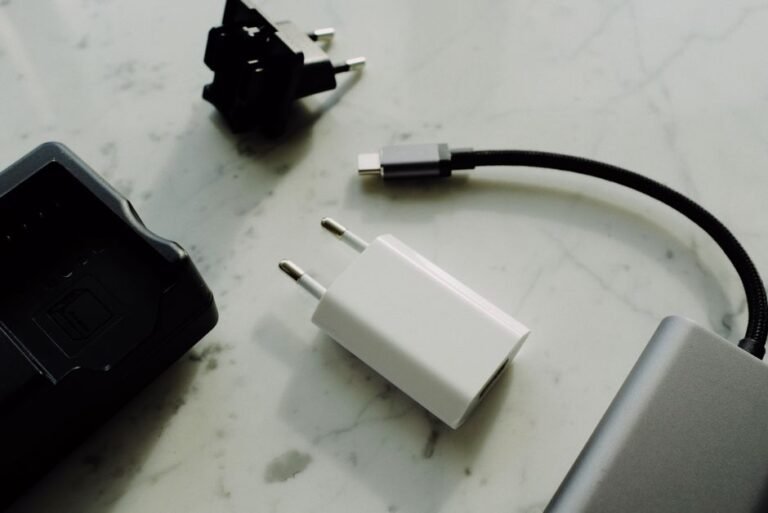
Fast-charging standards vary enormously by device, and matching the right charger to the right battery matters more than chasing the highest wattage.

The most common battery disposal mistakes turn a recyclable material into a fire or leak risk — here’s what to do instead.
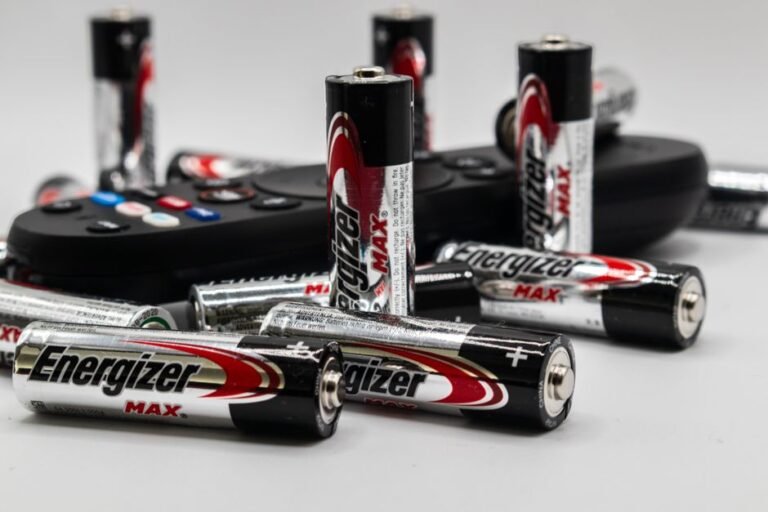
Energy density decides how much range or runtime a battery delivers per pound, but it’s only one piece of the trade-off.
End of content
End of content