
How Cold Storage Affects Battery Shelf Life
Cold slows down the chemical reactions that degrade a battery sitting in storage, which is part of why cold storage battery shelf life can beat a battery kept at room temperature — but “cold” doesn’t mean the coldest place you can find. A cool closet beats a garage freezer.
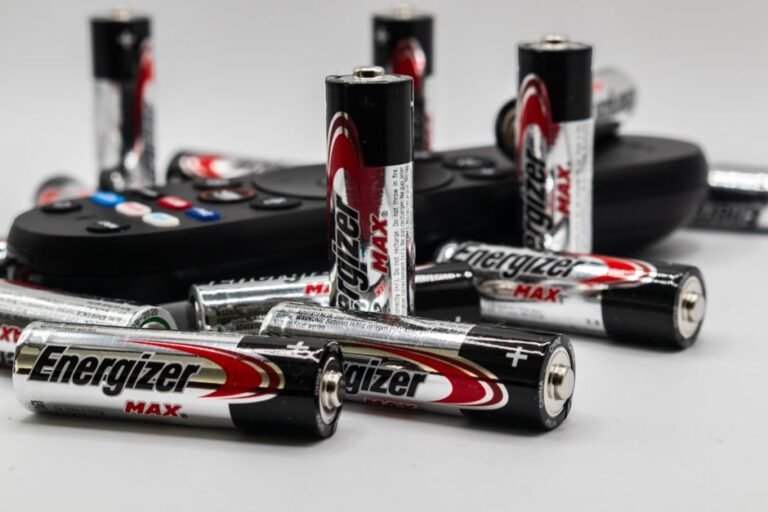
Self-discharge and the slow chemical breakdown that happens even when a battery isn’t being used both speed up with heat. Drop the temperature and those reactions slow down, which is why manufacturers generally recommend storing spare batteries somewhere cool rather than wherever’s convenient. Energizer’s battery care guidance recommends storing batteries at normal room temperature, and specifically cautions against refrigerating or freezing them.
How Cold Storage Battery Shelf Life Compares by Chemistry
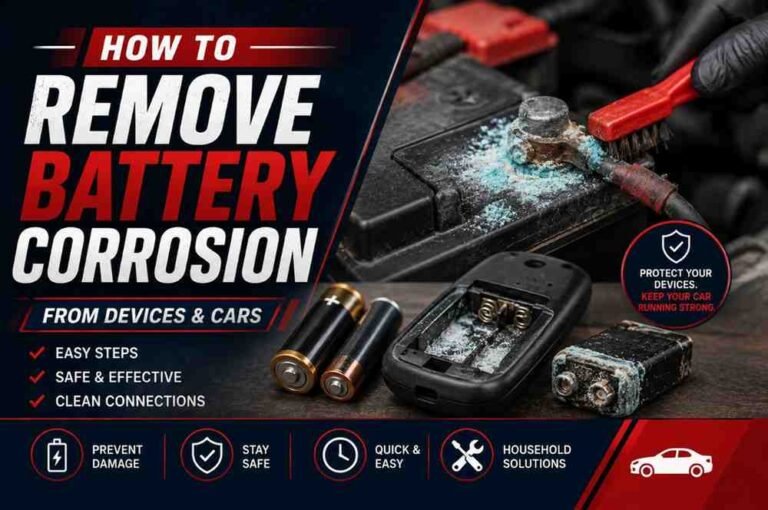
Freezing temperatures can cause condensation when a battery is brought back to room temperature, and moisture inside a battery compartment or on terminals is a corrosion and short-circuit risk. Alkaline batteries can also become harder to use in cold conditions if any moisture reaches the contacts. For lithium-ion packs, freezing is worse: charging a lithium-ion cell at near-freezing temperatures can cause metallic lithium to plate onto the anode, which permanently reduces capacity and can create an internal short.
Most manufacturers point to a range somewhere between 50°F and 70°F for long-term storage, away from direct sunlight and humidity swings. A closet or a drawer inside the house does better than a garage that swings from freezing to well over 90°F across a year.
Heat cycling matters as much as the average temperature. A storage spot that swings widely between hot and cool — a garage shelf, a car trunk, an uninsulated shed — stresses a battery more than one held at a steady, slightly warmer temperature. Consistency is doing a lot of the work here, not just hitting an ideal number.
Storage Charge Level Matters as Much as Temperature
Temperature isn’t the only factor — for rechargeable batteries, especially lithium-ion, the charge level at storage time changes the math too. A laptop left untouched for a year at full charge degrades differently than one stored at a partial charge, and the same principle applies to any lithium-ion pack sitting unused for months.
For seasonal equipment — power tools, generators, anything with a pack you won’t touch for months — pairing cool storage with the right charge level matters more than either factor alone. A winter storage checklist for battery-powered tools covers both together.
Alkaline batteries are more forgiving of temperature swings than lithium-ion, but neither benefits from a freezer. If a battery has been stored somewhere cold enough to see frost or condensation, let it return to room temperature slowly and dry off completely before using it.
Labeling helps more than people expect here. A stored battery without a date on it is easy to forget about for years, and a lithium-ion pack left untouched that long can drop into a deep discharge state that some chargers won’t recover from. Writing the storage date on the pack or its box, and checking on it once or twice a year, catches that problem long before the battery is a write-off.