A Checklist for Storing Battery-Powered Tools Over Winter
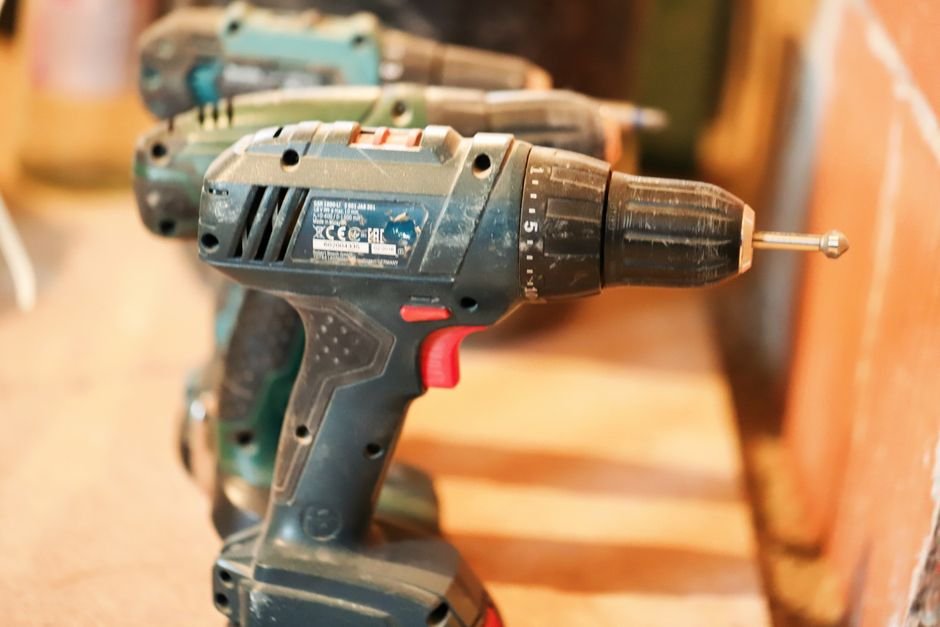
Storing battery tools for winter comes down to three things: charge level, temperature, and checking on them once a month. Get those right and a cordless drill or leaf blower battery will come out of the garage in spring ready to go. Get them wrong and you’ll be buying a replacement pack before the growing season starts.
Charge to around 50%, not full and not empty
Lithium-ion tool batteries age fastest when stored at either extreme. A pack left at 100% for months sits under higher internal voltage stress the whole time; one left fully drained can slip into a deep-discharge state that some battery management systems won’t recover from. Most manufacturers recommend storing packs at roughly 40-60% charge for long idle periods. If your charger doesn’t let you stop at a specific percentage, running the tool briefly after a full charge to bring it down partway works fine.
Keep them somewhere that doesn’t freeze or bake
An unheated garage or shed is the most common storage spot, and it’s not ideal — winter cold slows the chemistry down and can permanently reduce capacity if the pack sits near freezing for extended stretches, while summer heat in the same shed does similar long-term damage from the other direction. A closet, basement, or interior utility room that stays in a moderate range year-round is a better home for batteries than the space where the tools themselves live.
| Storage condition | Effect on the battery |
|---|---|
| Stored at 100% charge for months | Faster capacity loss from sustained high voltage |
| Stored fully drained | Risk of deep discharge the pack can’t recover from |
| Stored near freezing | Slowed chemistry, potential permanent capacity loss |
| Stored at 40-60% in moderate temperature | Minimal additional aging over winter |
Check in once a month
Don’t just set batteries aside until spring. A brief monthly check — is the pack still holding its stored charge level, does the casing look normal — catches a failing cell early instead of finding out in April that a pack won’t take a charge at all. If a battery has dropped noticeably from where you left it, that’s worth investigating; for the signs that mean a pack has actually failed rather than just settled, see common mistakes people make storing rechargeable batteries at home.
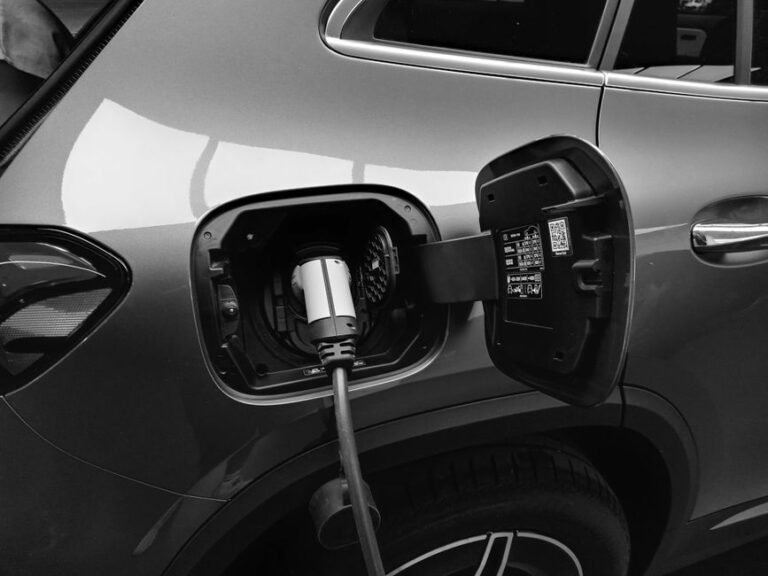
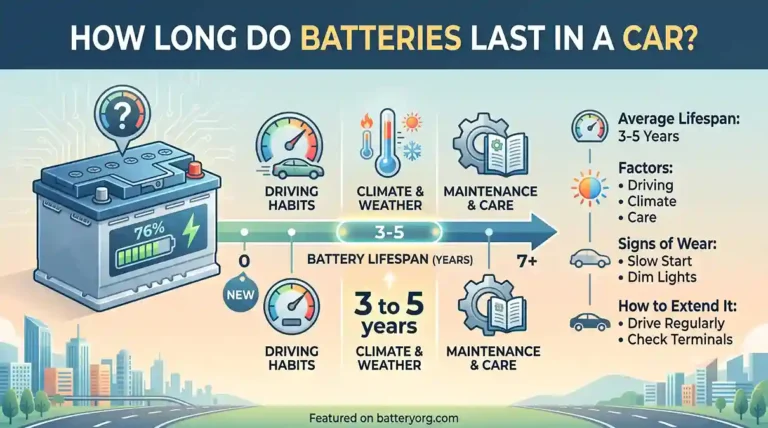
Cold-weather effects aren’t unique to tool batteries — the same chemistry issues show up in car batteries and EV packs left in unheated spaces, covered in more detail in how extreme cold affects any car’s battery. For manufacturer-level guidance on lithium-ion storage conditions, the Department of Energy’s vehicle battery maintenance page at afdc.energy.gov covers the same temperature and charge-level principles that apply to smaller packs.
None of this takes more than ten minutes before you put the tools away. Skip it, and the ten minutes gets spent instead on a January trip to replace a pack that froze at 100% charge in the shed.