Lithium-Ion vs Solid-State Batteries: What’s Different Right Now
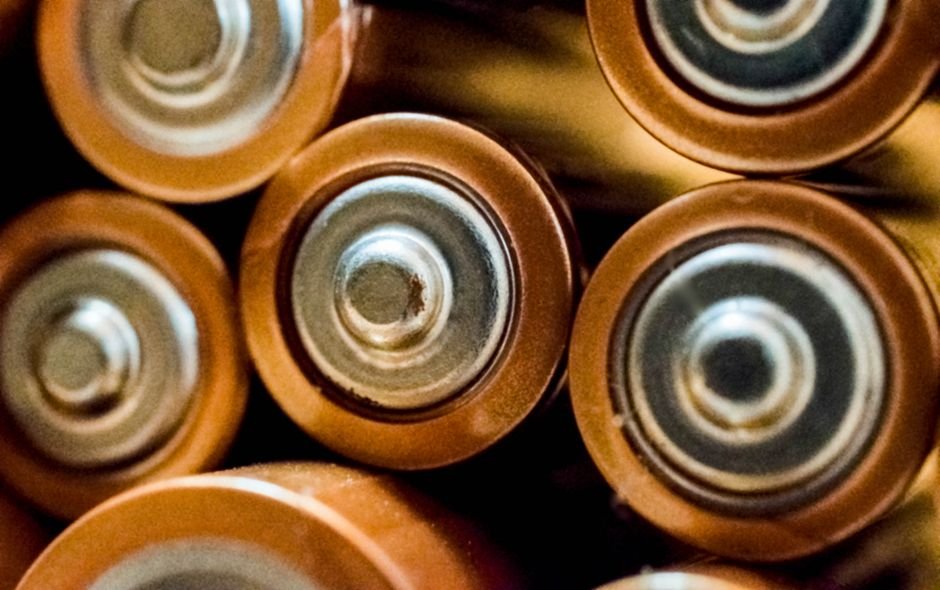
Every EV on the road today runs on lithium-ion batteries; solid-state remains a lab and pilot-line technology, with manufacturer production timelines that have repeatedly slipped. The near-term reality is more incremental than the roadmap slides suggest.
What’s different between the two
The liquid electrolyte in a conventional lithium-ion battery is flammable under certain failure conditions, which is part of why EV packs include extensive safety and thermal management systems. A solid electrolyte is inherently more stable and, in theory, allows higher energy density in the same physical space — more range without a larger, heavier pack. Charging speed is the other theoretical advantage — a solid electrolyte can potentially tolerate faster ion movement without the safety trade-offs a liquid electrolyte faces at high charge rates, though this benefit is harder to verify outside a lab setting until packs reach real-world testing at scale.
Why solid-state isn’t in cars yet
Manufacturing solid-state batteries at the scale and cost mass-market vehicles need has proven far harder than early announcements suggested, and several automakers have pushed back timelines more than once. The core challenges are manufacturing consistency and the interface between the solid electrolyte and the battery’s electrodes, which behaves differently than the liquid-electrolyte systems the industry has decades of mass-production experience with. Cost is the other half of the equation: even once the manufacturing challenges are solved, early solid-state cells are expected to carry a real price premium over mature lithium-ion production before volume brings costs down. Semi-solid-state designs, which use a partially gelled electrolyte rather than a fully solid one, are already shipping in limited numbers and offer a preview of some of the safety benefits without solving every manufacturing challenge a fully solid design still faces.
What’s realistic to expect
Several manufacturers have stated intentions to introduce solid-state batteries in limited applications before broader availability, but timelines have shifted enough that any announced date is worth treating as directional, not firm. Meanwhile lithium-ion chemistry keeps improving incrementally through cell design and materials changes, which is where most near-term range and cost gains are actually coming from.
- Don’t wait for solid-state if you need a car now — mass-availability timelines remain uncertain.
- Current lithium-ion packs are mature and well-understood, with a substantial real-world track record.
- Incremental lithium-ion improvements are likely to keep driving gains for years regardless of solid-state progress.
For more on current battery technology, see the Department of Energy’s Alternative Fuels Data Center, for the recycling side of the story, our piece on how battery recycling works covers what happens at end of life, and for the trade-offs already shaping today’s packs, our piece on why the industry is moving toward cobalt-free batteries covers a related shift.
Treat solid-state as a technology to watch, not a reason to delay a purchase you need to make today.