Why a Swollen or Damaged Battery Needs Professional Disposal, Not a Fix
A battery that’s swollen, cracked, or leaking isn’t something to nurse back to health — it needs swollen battery disposal through a certified recycler, not a workaround. The bulge means gas has built up inside the cell from a breakdown in the chemistry, and that pressure doesn’t go away just because you stop using the device.
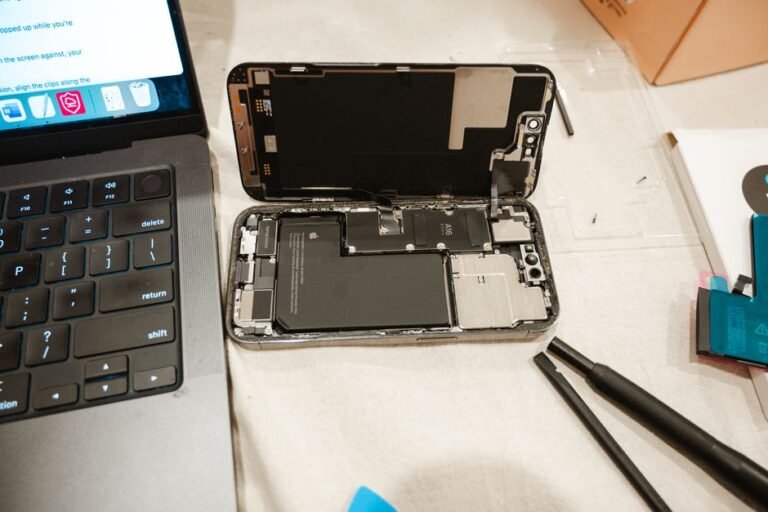
Swelling shows up most often in lithium-ion packs — phones, laptops, power tools, e-bikes — after repeated fast charging, heat exposure, or simple age. The separator between the electrodes has broken down enough that the cell is generating gas faster than it can vent safely. Puncturing it, squeezing it flat, or prying open the casing to “let the pressure out” is exactly how these packs catch fire.
What the Swelling Signals
A swollen cell has usually already suffered a small-scale internal short. It might still power the device for a while, but the failure is progressive, not stable. Left alone, a mildly swollen battery can turn into a hot one, and a hot lithium-ion cell in thermal runaway can ignite within seconds with little warning.
There’s no safe way to test or diagnose a swollen pack at home. A multimeter reading won’t tell you whether the internal short is dormant or about to accelerate, and there’s no repair that puts a damaged separator back together. If a device’s battery is swelling, stop charging it immediately, keep it away from anything flammable, and treat it as finished.
This is different from a battery that’s simply old and holding less charge than it used to. A pack that’s lost capacity through normal wear is a candidate for replacement on your own schedule. A pack that’s physically deformed is a candidate for immediate handling, because the risk isn’t reduced performance — it’s heat and pressure with nowhere controlled to go.
What Swollen Battery Disposal Looks Like Done Right
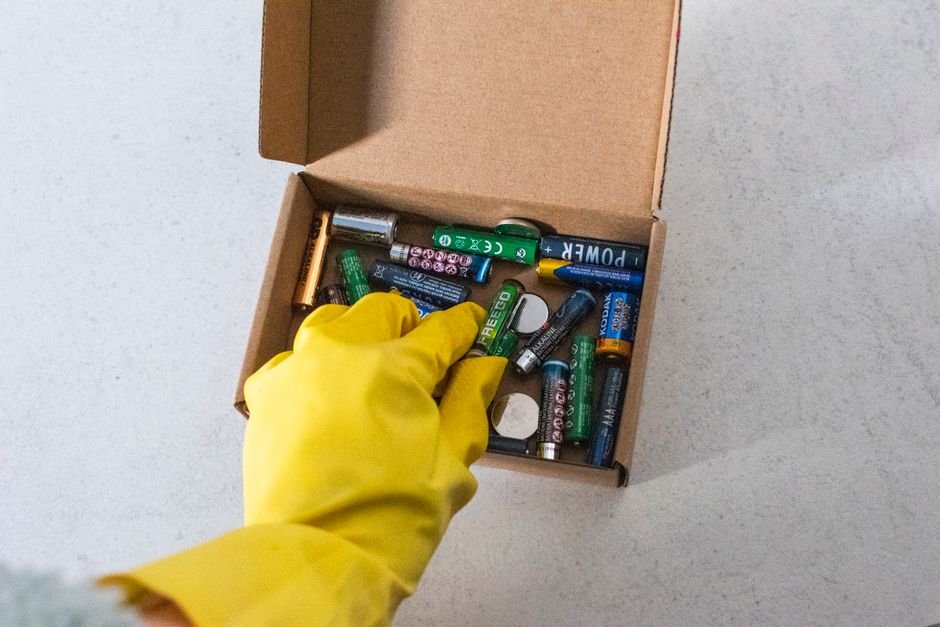
Retailers like Best Buy and Home Depot run battery take-back programs, and Call2Recycle operates drop-off locations across the US specifically for lithium-ion and other rechargeable cells. These programs aren’t just landfill diversion — a certified recycler discharges and handles a damaged cell in a way that contains a fire if one starts. The EPA’s guidance on used lithium-ion batteries covers how to transport a damaged cell safely, including taping the terminals and bagging a swollen or leaking one separately before drop-off.
Don’t put a swollen battery in curbside recycling or household trash. Compactor trucks and sorting facilities have caught fire this way, which is why more municipalities now ban loose lithium batteries from regular bins outright. Many recyclers ask that a swollen or damaged cell be brought in separately from ordinary battery drop-offs, sometimes with the terminals taped and the cell bagged in something non-flammable, so call ahead if you’re not sure how a particular location wants it handled.
If you’re unsure whether a battery is worth troubleshooting or just replacing, the signs a rechargeable battery needs replacing are worth knowing before it gets to the swelling stage — sluggish performance, unusual heat during charging, or a charge that won’t hold are all earlier warnings than a visible bulge.
Once a cell has swollen, the only responsible move is getting it out of the house and into a proper recycling stream, not troubleshooting it further.