EV Maintenance Costs vs Gas Cars: Where the Savings Hold Up
For routine upkeep, EVs tend to cost less than comparable gas cars, mainly because there is no engine oil, spark plugs, timing belt or exhaust system to service. That is not the whole story on EV maintenance costs vs gas cars, though. Tires can wear faster, some repairs cost more when they do happen, and maintenance is only one line in the total cost of owning a car.
Here is where the difference shows up, category by category.
Where the EV usually comes out ahead
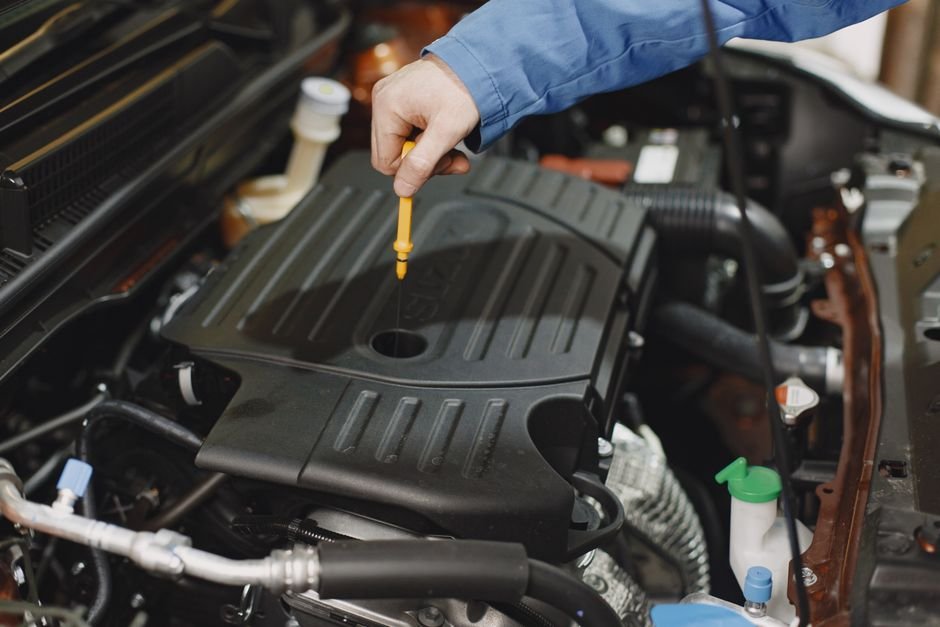
The biggest savings come from parts an EV simply doesn’t have. A gas car needs oil changes, air and fuel filters, spark plugs, and eventually a timing belt or other engine and transmission work. An electric motor has far fewer moving parts and no oil to change. Most EVs still need coolant service for the battery and electronics, cabin air filters and brake fluid, but the scheduled list is shorter.
Brakes are the other quiet saving. Because regenerative braking slows the car by turning the motor into a generator, the friction brakes do less work, and pads and rotors often last longer. We explain the mechanism in how regenerative braking works. One catch: brakes that see little use can corrode, especially in wet or salty climates, so they still need inspection and occasional cleaning.
The Department of Energy’s Alternative Fuels Data Center summarizes EV maintenance and safety, including which systems still need scheduled attention.
Where the savings shrink
- Tires. EVs are often heavier than similar gas models and deliver torque instantly, both of which can shorten tread life. Some use specific tires rated for the extra weight, which can cost more to replace.
- The 12-volt battery. Most EVs still carry one to run low-voltage systems, and it wears out on its own schedule, like any car battery.
- Suspension and alignment. Extra weight puts more load on bushings and other components, though how much depends heavily on the vehicle.
- Specialist labor. Fewer independent shops work on EVs, so some repairs go back to the dealer, where hourly rates are typically higher.
EV maintenance costs vs gas cars over the long run
The largest cost risk for an EV is a battery pack failure outside warranty. It is uncommon, but it is expensive enough to deserve a place in the comparison. Pack health depends on climate, charging habits and mileage, and any work on the high-voltage system belongs with a qualified technician, not a driveway project.
Gas cars carry their own large, occasional bills: transmission repairs, catalytic converters, head gaskets. Over a long ownership period, both types can produce one big repair that wipes out years of small savings, so neither side of the comparison is a sure thing.
Maintenance is also only part of the picture. Purchase price, electricity versus fuel prices, depreciation and insurance all move total ownership cost, sometimes more than maintenance does. Insurance is a good example; our look at EV insurance costs vs gas cars shows how premiums can offset part of the maintenance advantage.
If you are comparing two specific cars, ask for the manufacturer’s maintenance schedule for each and price the tires. Those two documents will tell you more than any average.