How to Tell If a Noise Under the Hood Is Serious
Not every new sound under the hood means trouble, but the ones that show up suddenly, change with engine speed, or get louder over a few days are the ones worth taking seriously. The pattern of a noise usually tells you more than how loud it is.
Squeals and belt noise
A high-pitched squeal right after starting the car, especially in cold or damp weather, often points to a drive belt that’s glazed or slightly loose rather than anything urgent. It’s worth a look soon, since a belt drives the alternator and, on many engines, the water pump — but it rarely strands anyone on the spot. A squeal that gets sharper as you rev the engine, rather than fading after a few seconds, is more likely a belt close to failing or a pulley bearing wearing out, and that one deserves a same-week appointment rather than a shrug.
Ticking, tapping, and knocking
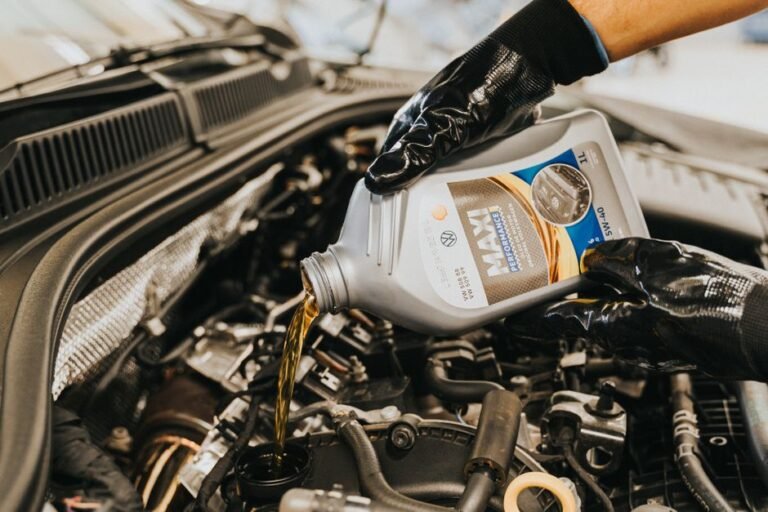
A light ticking that speeds up with engine RPM and is more noticeable when the engine is cold is common on higher-mileage engines and often traces back to valvetrain components or lifters. It’s not always urgent, but it’s worth mentioning at the next oil change, since oil that’s overdue or the wrong viscosity can make it worse. A deeper knocking sound, especially one that gets louder under load or acceleration, is a different category — that pattern can point to a rod bearing or other internal wear, and driving on it risks turning an expensive repair into a much more expensive one. Stop driving and get it looked at rather than waiting to see if it goes away.
Rattles, hums, and grinding
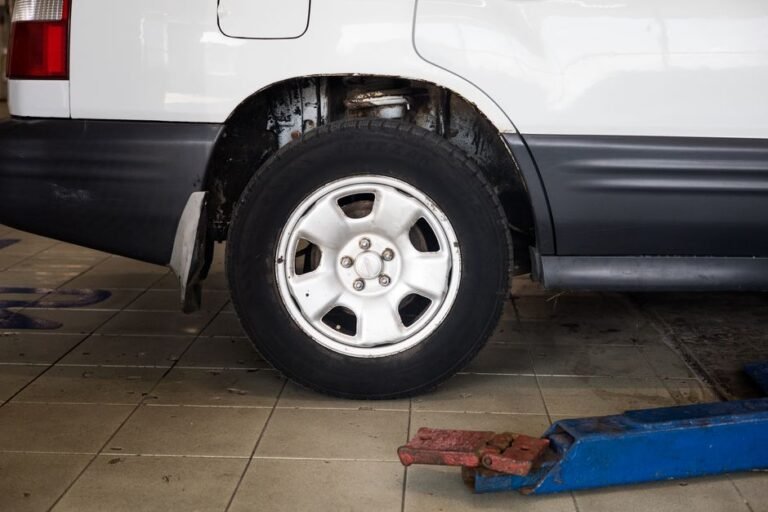
A rattle that only happens over bumps is frequently a loose heat shield or exhaust bracket — annoying, cheap to fix, and not a safety issue. A steady hum that rises and falls with vehicle speed rather than engine speed usually traces to a wheel bearing or tire, not the engine at all, and is worth checking at the same time as a brake inspection since both involve pulling a wheel. Any grinding sound, particularly one tied to braking or turning, should be treated as urgent regardless of how minor it seems, since it usually means metal contacting metal somewhere it shouldn’t.
When to stop driving versus when to schedule a visit
A rough general rule: sounds that stay constant regardless of speed or load are lower priority than sounds that change with what the engine or wheels are doing. A noise paired with a warning light, a smell, or a change in how the car drives — pulling to one side, vibration, reduced power — moves to the top of the list no matter how quiet it is. If you’re not sure which category a sound falls into, the same instinct that says to run through a pre-trip check before a long drive applies here: it’s a five-minute conversation with a mechanic against the risk of a roadside breakdown. The Department of Energy’s vehicle maintenance guidance makes the same point about routine upkeep generally: catching a small issue early is what keeps it small.