Wiper Blade Replacement Mistakes That Cause Streaking and Skipping
Wiper blade replacement mistakes cause most of the streaking and skipping drivers blame on bad blades. It’s usually one of a handful of fit, timing, or frame mistakes, not the blade itself, and all of them are easy to avoid once you know to check for them.
Wiper blade replacement mistakes: buying by brand instead of by fit
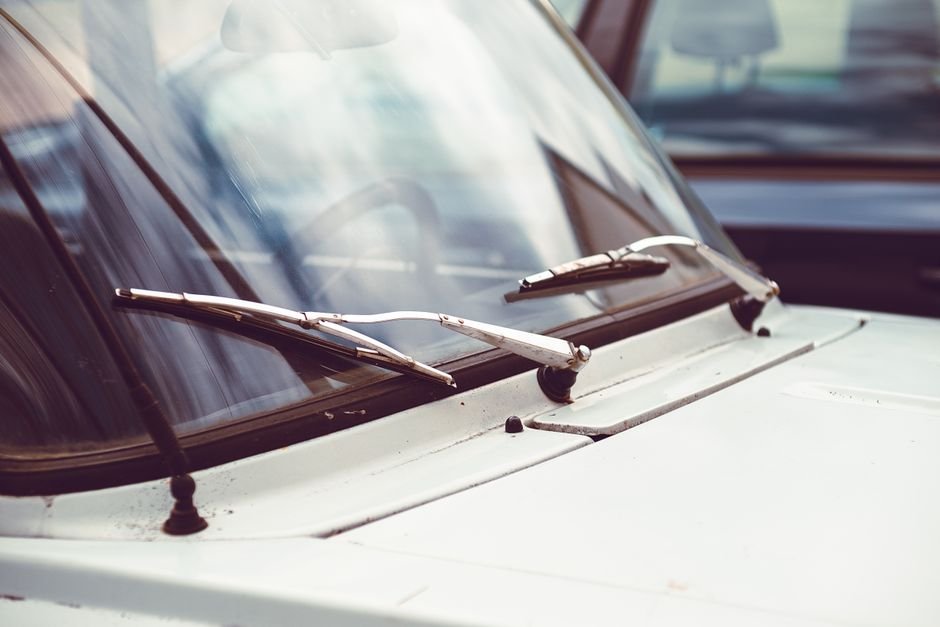
Wiper blades aren’t universal, and the arm connector varies by manufacturer and sometimes by trim year within the same model. A blade that’s the right length but the wrong connector type will either not seat properly or will rattle loose at speed. Check your owner’s manual or the fitment guide at the parts counter for your specific make, model, and year rather than grabbing whatever’s on sale that looks close enough.
Waiting until they’re already streaking
Wiper rubber degrades from UV exposure and temperature swings whether or not the blades are used often, so a blade can be past its useful life before it looks visibly cracked. Most manufacturers suggest replacement every six to twelve months regardless of mileage, and cars that sit outside in strong sun or through a full winter tend toward the shorter end of that range. Streaking, chattering across the glass, or a strip the blade consistently misses are all signs it’s already overdue, not an early warning.
Ignoring the rubber and only replacing the frame
Some wiper blade kits sell refill rubber inserts separately from the whole blade assembly, and it’s tempting to just swap the cheaper insert. That works fine on some designs, but on others the frame and spring tension wear alongside the rubber, and a fresh insert in a tired frame still chatters and skips. If a full blade replacement six months ago is already streaking again, the frame — not just the rubber — is worth a look.
Skipping the rear wiper and the washer fluid
Hatchbacks and SUVs with a rear wiper get that blade replaced far less often than the front pair, mostly because it’s used less and forgotten more easily, but it degrades on the same UV-and-temperature timeline. And a fresh blade paired with old, diluted, or frozen washer fluid still smears road grime instead of clearing it — the fluid reservoir deserves the same seasonal attention as the blades themselves, particularly before winter driving covered in a piece on how cold weather affects a car’s battery.
Before a long drive, run the wipers dry for a second on a clean windshield and watch for skipping, then check that spray from the washer nozzles actually lands on the glass and not past it. Both are worth a look on the same pass as anything else on a pre-road-trip checklist. The DOE’s vehicle maintenance guide treats visibility equipment as part of routine upkeep, not an afterthought, and it’s one of the cheapest maintenance items on the car by a wide margin.
A ten-dollar blade replaced on time beats a fifty-dollar windshield repair after driving blind through a downpour trying to see around a streak.