
A Pre-Road-Trip Checklist That Catches Real Problems
If your road trip checklist stops at wipers and tire pressure, it’s missing the checks that strand people. Most pre-trip checklists cover the obvious basics; the ones that matter are the checks people skip because they take a few extra minutes.
Beyond what everyone already checks
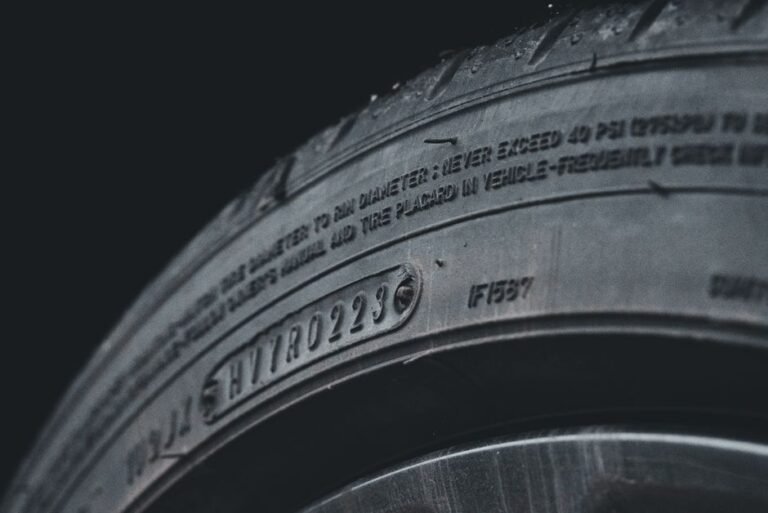
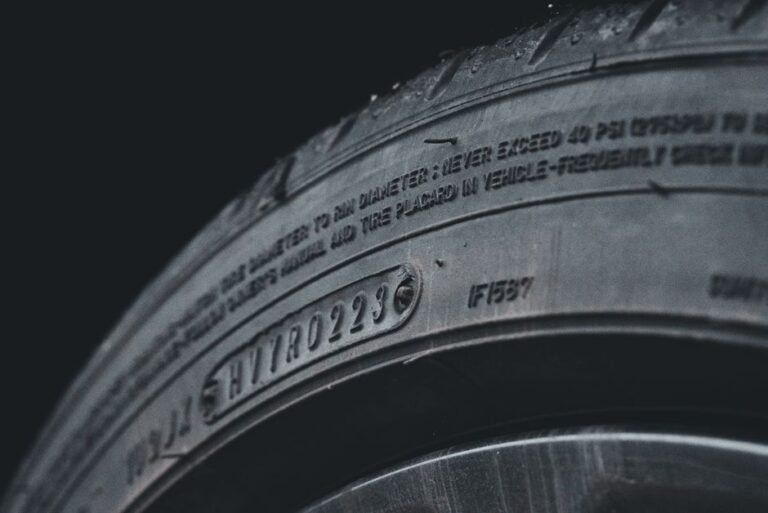
Tire pressure, wiper fluid, and oil level are worth checking, but they’re also the checks most people already do without being told. The ones that catch a problem before it strands you are tire tread depth, not just pressure, and the age and condition of your spare, which often gets ignored for years. A battery that’s been marginal all year is far more likely to fail during a long trip — with extended stops, extra electronics running, and temperature swings — than during ordinary daily driving, so have it load-tested before you leave rather than assuming it’s fine because the car starts normally at home. Tread depth is easy to check yourself with nothing more than a penny or a tread depth gauge, and doing it before a trip rather than after a blowout is the entire point of a pre-trip checklist in the first place. It’s also worth checking when your last major service was due relative to the trip’s added mileage — a long highway trip can push a car past a scheduled interval mid-route, which is easy to miss if you’re only tracking dates rather than miles.
Fluids, belts, and what to pack
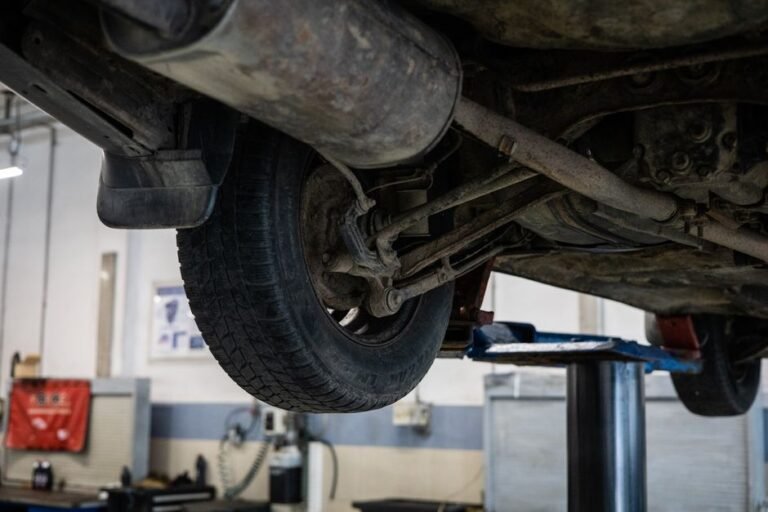
None of these are things a rental car company checks for you, and they’re exactly the categories that don’t announce themselves with a warning light before they fail.
- Coolant level and condition, especially before hot or mountainous terrain — a marginal cooling system that’s fine for local driving can fall behind on a long climb with the AC running and a full load of passengers and luggage.
- Brake fluid level, easy to overlook next to oil and coolant.
- Visible cracking or fraying on serpentine belts and hoses — cheap to replace now, expensive to deal with on the road.
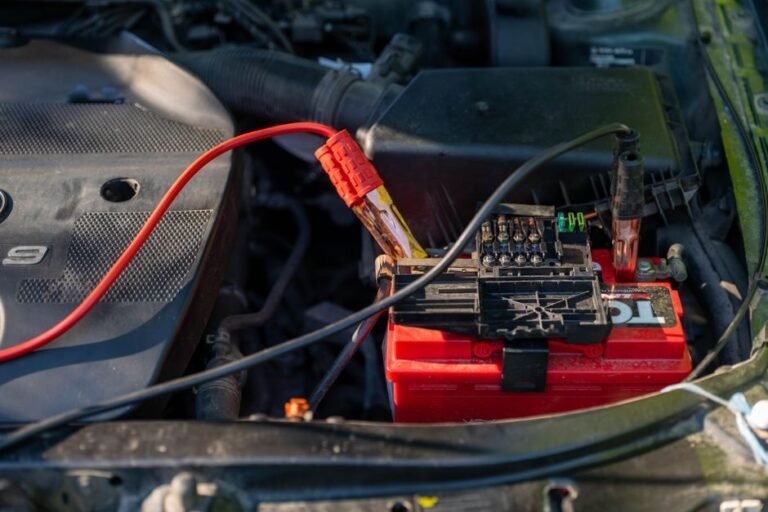
- A basic emergency kit: jumper cables or a portable jump starter, a tire repair kit, and a flashlight. None of this takes long to gather, and most of it lives in the trunk permanently once you’ve assembled it once.
Know your insurance and roadside assistance coverage before you leave, not mid-breakdown. For related checks, see our guide to tire rotation mistakes and our piece on how cold weather affects any car’s battery, and for general vehicle information before you go, FuelEconomy.gov is a good starting point.
Do the checks that take an extra ten minutes. Those are the ones most people skip, and they’re the ones that actually matter.