Public EV Charging Etiquette: The Mistakes That Start Arguments
Most arguments at public chargers come from a handful of avoidable habits, from idling after a full charge to fast-charging to 100% with a queue behind you.
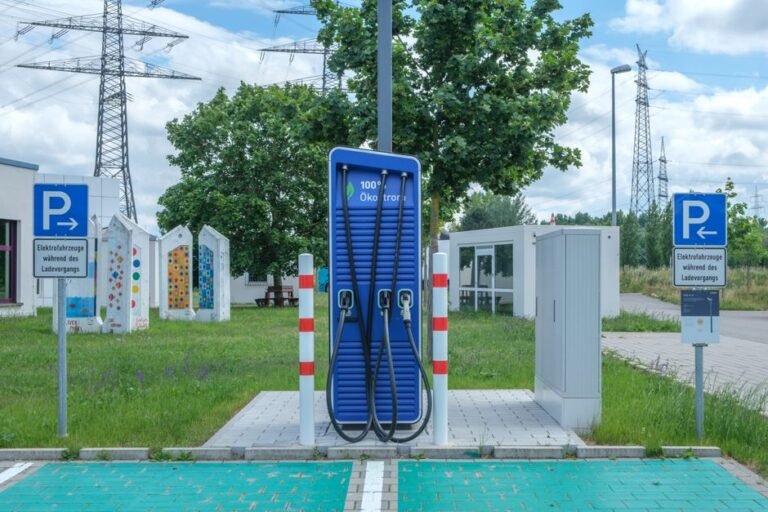
Most arguments at public chargers come from a handful of avoidable habits, from idling after a full charge to fast-charging to 100% with a queue behind you.
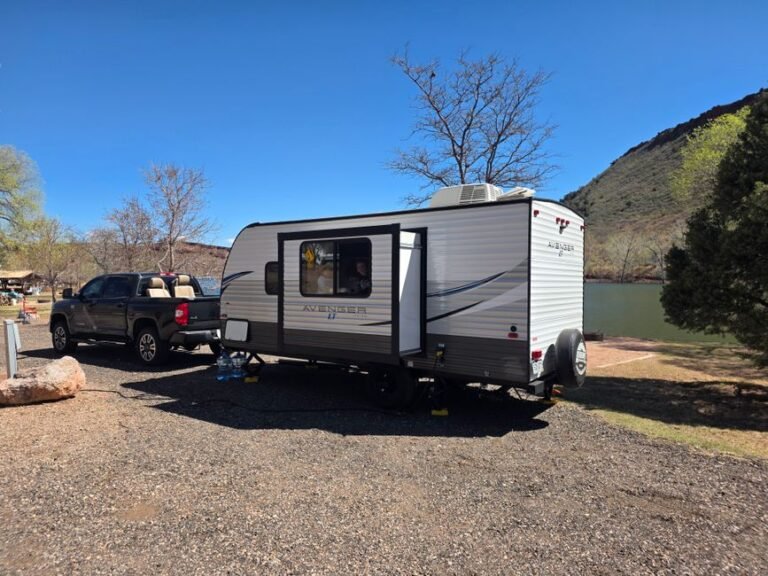
An EV’s tow rating comes from its chassis, brakes and cooling, and towing can cut range far more than most owners expect.
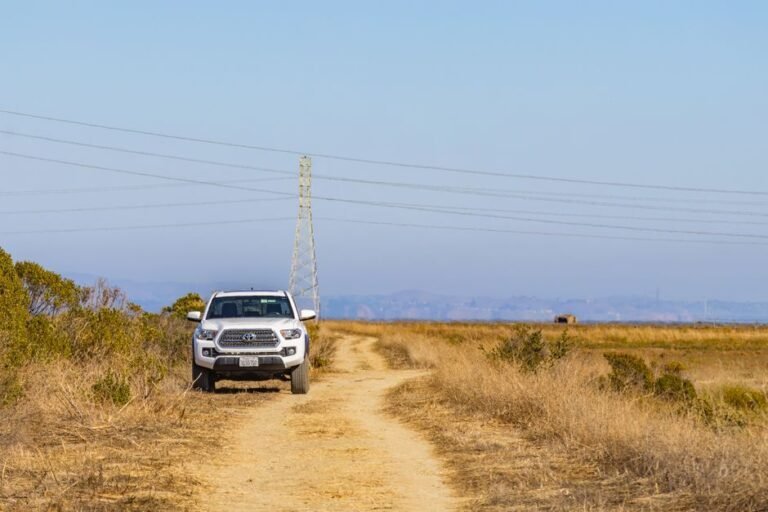
Driving an EV where fast chargers do not exist means planning around slow outlets, honest range numbers and a firm turnaround rule.
Most factory EV warranty coverage follows the car to its next owner, but some extensions, service contracts and software features do not.
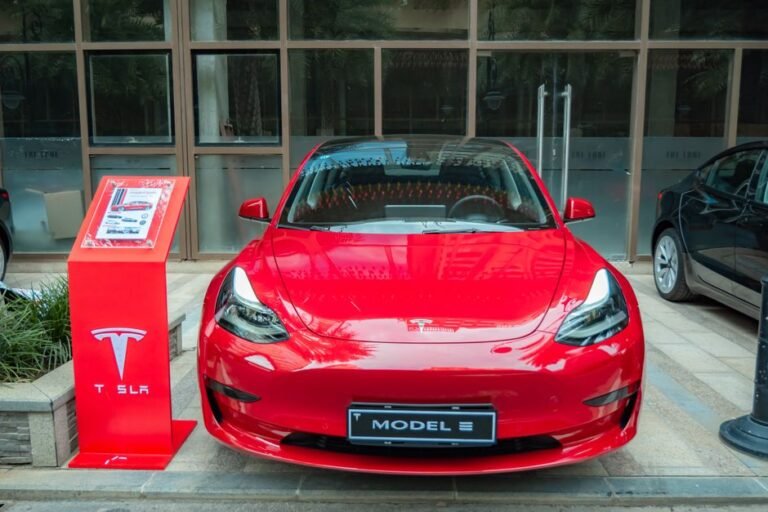
Battery leasing lowers an EV’s upfront price by renting you the pack, but the monthly fee continues for as long as you own the car.
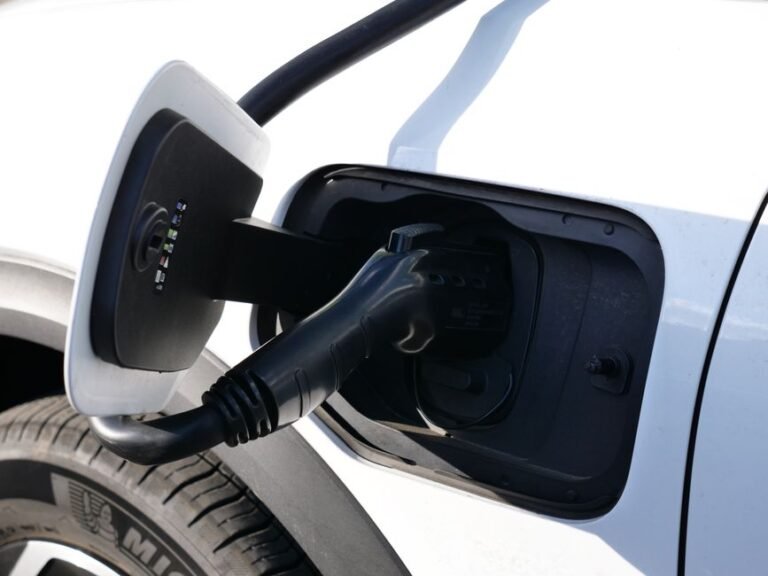
Whether a fast charger works for your EV now depends on its port, the station’s access rules and the adapters your automaker approves.
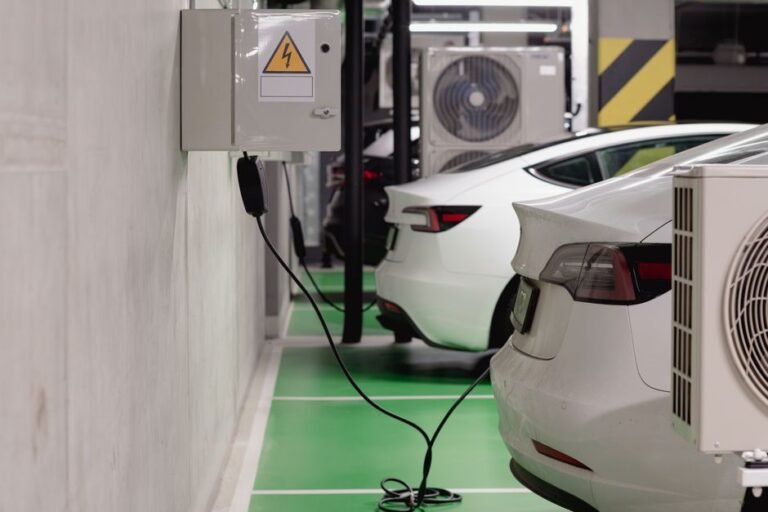
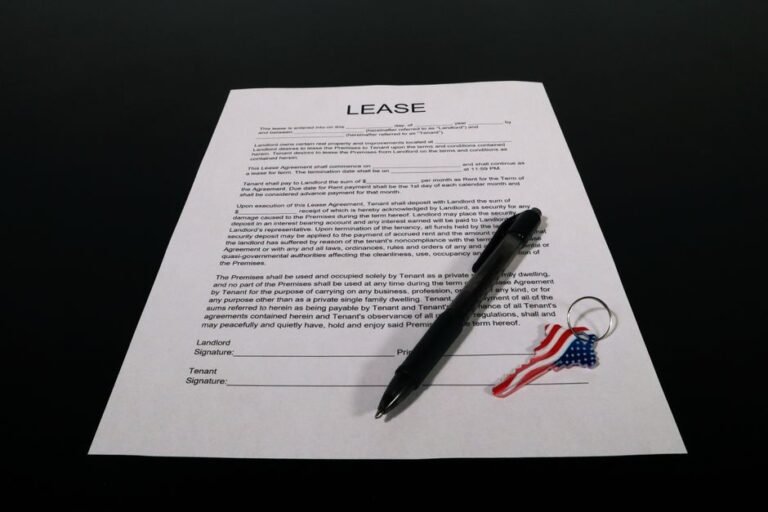
An ‘EV charging’ line in a rental listing can mean anything from a private charger to one shared plug, so ask specific questions before you sign.

EVs often cost more to insure, but repair costs and the specific model drive the difference more than the fact that the car plugs in.
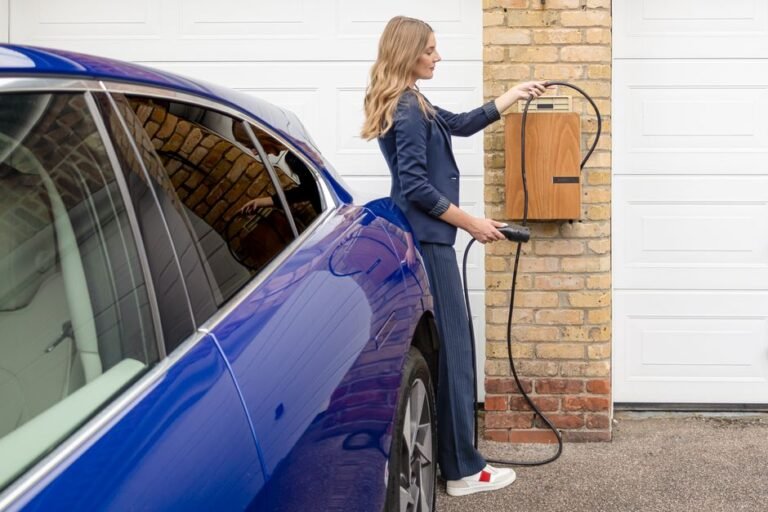
The logo matters far less than whether the charger fits your car’s port, your circuit and your utility’s programs.
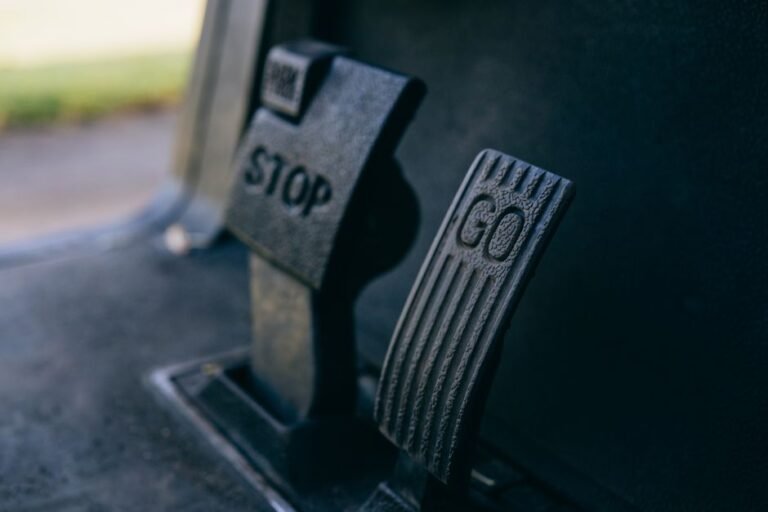
Strong regenerative braking makes an EV slow sharply the moment you ease off the accelerator, and most drivers need a week or two to adapt.
End of content
End of content