Mixing Battery Brands in a Device: What Actually Happens
Grab two AA batteries from a junk drawer, one name-brand, one a generic store brand, and load them into a flashlight. The light works. It just won’t work as well as it could, and if the mismatch is severe enough, it can shorten the life of both cells. Mixing battery brands in a device is one of those habits everyone has done without thinking much about what’s happening inside the compartment.
Why the weakest cell sets the pace
Batteries wired in series, the way most multi-cell devices are built, share the same current. A fresh cell and a half-depleted cell in series discharge at the same rate, which means the weaker one hits empty first. Once it’s empty, a device with more than one cell can force that dead cell into reverse charge as the stronger ones keep pushing current through it. That’s what causes leaking and occasional swelling in old multi-battery devices left mixed and forgotten in a drawer for months.
Different brands of the same battery type and size, both AA alkaline for instance, bought around the same time and at similar charge levels, are low risk. The bigger factor isn’t the label on the wrapper. It’s the state of charge and the underlying chemistry, and that’s true whether the two cells share a brand or not.
What’s genuinely risky vs. what’s just inefficient
Low risk: mixing brands of the same battery type, bought around the same time, at similar charge levels.
Higher risk: mixing old and new cells of the same brand, mixing rechargeable with single-use batteries, or mixing different chemistries like nickel-metal hydride and alkaline in the same device. Rechargeable and single-use cells have different voltage curves and discharge behavior, and most multi-cell holders weren’t designed to accommodate that mismatch gracefully.
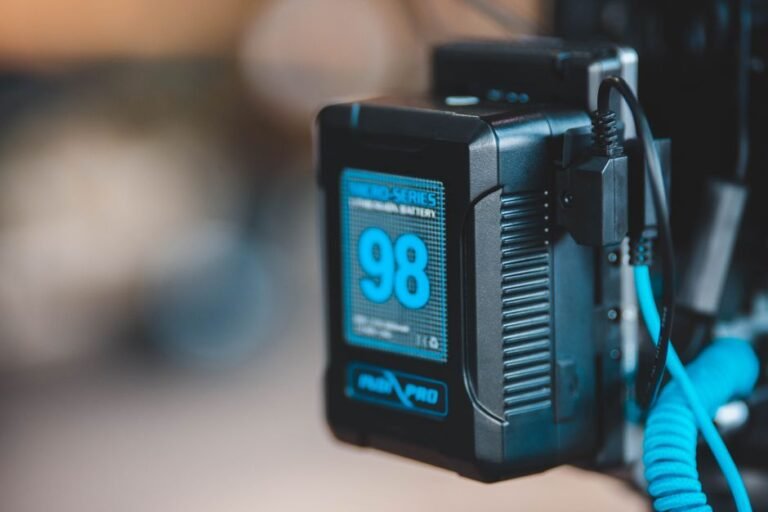
For devices that run on a single lithium-ion pack, like most power tools, phones, and e-bikes, this concern works differently. The battery management system and cell balancing built into the pack exist specifically to handle small differences between the individual cells sealed inside it, which is a different situation from swapping loose AA batteries by hand.
The practical rule for mixing battery brands in a device
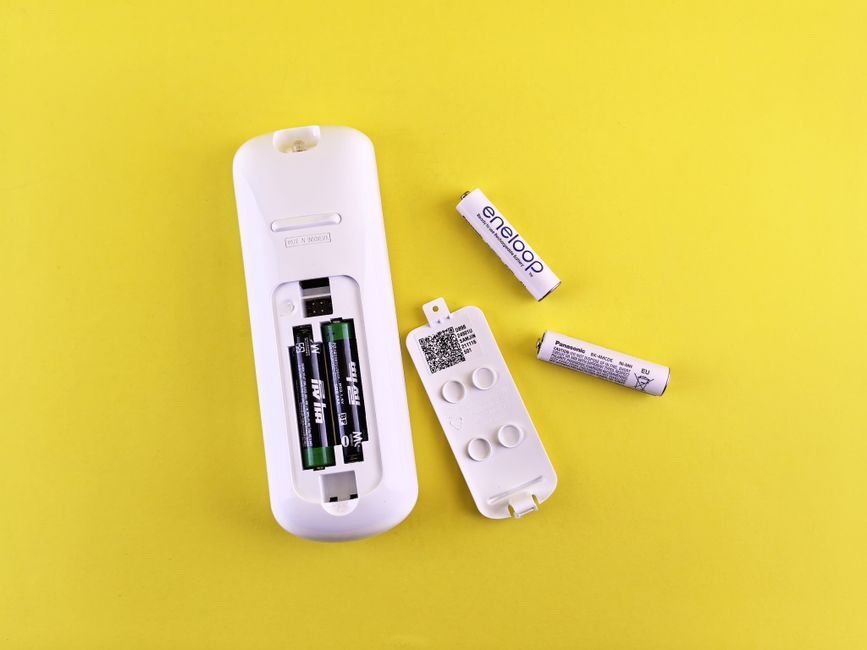
If you’re loading loose batteries into a remote, flashlight, or toy, replace them as a set rather than one at a time, and don’t mix rechargeable with single-use. According to the Consumer Product Safety Commission, battery leakage and overheating from mismatched or aging cells are among the more common causes of household battery incidents. Replacing as a set costs a little more up front and saves the leaked-battery cleanup later.
Coin and button cells, the kind used in watches, key fobs, and hearing aids, are a separate case. They’re usually single-use, not wired in series with a second cell, and the main risk with those is swallowing rather than mismatch. The series-discharge problem described above applies specifically to devices that hold two or more AA, AAA, C, or D cells in a row, which covers most remotes, flashlights, and battery-powered toys.